
Imagine a garden that blooms year after year without you having to replant everything. Doesn’t that sound wonderful? Many gardeners dream of this low-maintenance beauty, but the journey to a lasting garden often hits a snag right at the start: choosing perennial flower seeds.
Picking the perfect perennial can feel like navigating a maze. You worry about which seeds will actually survive your local weather, which ones need too much fuss, and how to tell a truly reliable variety from a fleeting fancy. It’s easy to feel overwhelmed by the sheer number of packets on the shelf!
This post is your clear roadmap. We will break down the confusion, offering simple tips to ensure you select tough, beautiful perennial seeds that will reward you with color season after season. Get ready to build a garden that keeps giving!
Top Perennial Flower Seeds Recommendations

- 100% Pure, Non-GMO Seeds - No fillers, favorites only! Includes 19 easy-to-grow species: Siberian Wallflower, Shasta Daisy, Lance Leaf Coreopsis, Sweet William, Foxglove, Purple Coneflower, Blanket Flower, Blue Flax, Perennial Lupine, Mexican Hat, Gloriosa Daisy, Black Eyed Susan, Candytuft, Gayfeather/Blazing Star, Maltese Cross
- Attracts Pollinators - With up to 1,000 square feet of ground cover, this non-GMO seed mix is sure to bring the bugs and birds to your yard! Easily attract bees, butterflies, and hummingbirds to pollinate blooms.
- Perfect for Zones 3-10 - This bulk outdoor mix is all perennial and suitable for all USDA hardiness zones, 3-10. These animal resistant, low-maintenance varieties prefer full sun and will produce mixed color blooms all summer through fall.
- Give the Gift of Beauty - Flower seeds are a gorgeous, eco-friendly gift that can provide lasting beauty outside your home for years to come! Perfect for birthdays, Mothers' and Fathers' Days, weddings, baby and bridal showers, and so much more, no matter where you live.
- High Germination - Eden Brother seeds are fresh, 100% pure, high germination, and non-GMO. Always. Our germination rates far exceed industry standards when planted according to instructions.

- Easy-Growing Wildflowers: This Early-Blooming, Carefree Wildflower Seeds Mix Includes 14 Of North America’s Most Beautiful Wildflower Varieties; This Gorgeous Blend Will Quickly Delight Pollinators And People Alike
- Pollinator-Friendly: Bees And Butterflies Will Flock To The Colorful Buffet Of Flowers; Good For Your Garden And For The Environment; The Bulk Seed Bag Contains Over A Dozen Wildflower Favorites In One: Cornflower, Zinnia Elegans, And More
- 25,000 NON-GMO Seeds: Easy-To-Sow Perennial Flower Seeds Mix Covers Up To 1,000 Square Feet And Is Ideal For Most Soil Types; Select A Sunny Area To Scatter The Seed Outdoors For Planting After Danger Of Heavy Frost
- Burpee Seeds Grow: Burpee Offers The Highest Quality, NON-GMO Seeds Hand-Picked By Expert Horticulturalists For Growing In The Home Garden; Burpee Has Been Loved By Gardens And Trusted By Gardeners For Over 140 Years
- Since 1876: Generations Of Customers Have Trusted Burpee To Deliver The Highest Quality Products And Service; Gardeners Rely On Burpee For Accurate Plant Information And How-To Tips That Make Gardening Easier And More Successful; Let’s Grow Together


- Premium 23 Wildflower Seeds Annual & Perennial Mix - Special Garden Flower Seeds Blend designed for planting indoor and outdoors across North America. With over 23 varieties and 25,000 wildflower seeds, this mix is the best solution to attract pollinators - bees, butterflies & birds are essential for garden plants health.

- 100% Pure, Non-GMO Seeds - No fillers, favorites only! Includes 19 easy-to-grow species: Siberian Wallflower, Shasta Daisy, Lance Leaf Coreopsis, Sweet William, Foxglove, Purple Coneflower, Blanket Flower, Blue Flax, Perennial Lupine, Mexican Hat, Gloriosa Daisy, Black Eyed Susan, Candytuft, Gayfeather/Blazing Star, Maltese Cross
- Attracts Pollinators - With up to 4,500 square feet of ground cover, this non-GMO seed mix is sure to bring the bugs and birds to your yard! Easily attract bees, butterflies, and hummingbirds to pollinate blooms.
- Perfect for Zones 3-10 - This bulk outdoor mix is all perennial and suitable for all USDA hardiness zones, 3-10. These animal resistant, low-maintenance varieties prefer full sun and will produce mixed color blooms all summer through fall.
- Give the Gift of Beauty - Flower seeds are a gorgeous, eco-friendly gift that can provide lasting beauty outside your home for years to come! Perfect for birthdays, Mothers' and Fathers' Days, weddings, baby and bridal showers, and so much more, no matter where you live.
- High Germination - Eden Brother seeds are fresh, 100% pure, high germination, and non-GMO. Always. Our germination rates far exceed industry standards when planted according to instructions.

- Fragrant Blooms: English Lavender seeds to plant of Lavandula angustifolia produce purple flower spikes on slender green stems; late spring–summer color with vigorous growth—ideal for fragrant flowers and classic herbs borders. Common name: English Lavender; Scientific name: Lavandula angustifolia
- Simple Sowing: For best results, cold stratify, then sow 1/4 inch deep; growth shows in 14–30 days at 65+°F—great english lavender seeds for planting with reliable starts for your Outdoor & Indoor herb garden
- Hardy Perennial: Common lavender heirloom seeds forms upright, shrub-like plants 20–24 inches tall; space 18 inches; dependable in USDA zones 3–9—perfect english lavender perennial seeds and perennials seeds for long-term gardens.
- Low-Maintenance Care: Thrives in full sun and light, dry, sandy, well-drained soil; low watering—avoid water-logging; resilient, non-GMO english lavender plant for drought tolerant plants and low-effort landscapes.
- Versatile Uses: Aromatic herb for sachets, potpourri, essential oils, and soothing aromatherapy; traditional medicinal qualities — english lavender seeds heirloom suited to lavender herb, fresh herbs or dried herbs and medicinal herb seeds projects.

- Vibrant Red Blooms: The Red Cardinal Flower (Lobelia cardinalis) is known for its striking, vibrant red tubular flowers that stand out in any garden, attracting hummingbirds and butterflies
- Height and Structure: This perennial plant typically grows between 2 to 4 feet tall, featuring a slender, upright structure with lance-shaped leaves that enhance its ornamental appeal
- Blooming Season: It blooms from mid-summer to early fall, providing a long-lasting display of color during the later part of the growing season when many other flowers have faded
- Wetland Adaptability: The Red Cardinal Flower thrives in moist to wet soil conditions, making it an excellent choice for planting near water features, ponds, or in rain gardens
- Native Plant: Native to North America, the Red Cardinal Flower supports local ecosystems and is a valuable addition to native plant gardens, promoting biodiversity and sustainability

- A lovely biennial flower that growing up to 12"-24" tall and 6"-12" wide
- Blooms the year after planting, in mid-spring to mid-summer; produces clusters of fragrant flowers in shades of white, pink, purple, red and violet
- Sweet William will attract an array of beneficial insects to the garden, such as butterflies, bumblebees, ladybugs, hummingbirds and more. Biennial, Zones 4-10; Requires full sun and good drainage; Suitable for beds & borders, cut flowers, and the fragrant garden
- Start the seeds indoors 8 to 10 weeks before transplanting out, or direct sow them in early spring or early autumn so that the seeds may be exposed to frost. Ideal temperature: 15-21°C (60-70°F). Seeds germinate in about 10 days. Just cover the small seeds very lightly with soil, as they need light to germinate
- Sweet Williams are part of the dianthus family but the main difference is the type of plant they are. Dianthus plants are either annual or perennial but Sweet Williams are biennials or perennials
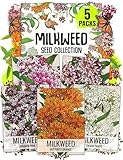
- Pollinator Attraction: Milkweed flowers are known for attracting a variety of pollinators, including bees, butterflies, and hummingbirds. They produce a sweet nectar that is particularly enticing to monarch butterflies, which lay their eggs exclusively on milkweed plants.
- 5 Packets: This collection includes Showy Milkweed Seeds (Asclepias speciosa), Pink Swamp Milkweed Seeds (Asclepias incarnata), White Swamp Milkweed Seeds (Asclepias incarnata), Orange Butterfly Milkweed Seeds (Asclepias tuberosa) & Common Milkweed Seeds (Asclepias syriaca.)
- Ecological Importance: Milkweed is crucial for the survival of monarch butterflies, providing not only nectar but also foliage for caterpillars to feed on. The presence of milkweed in an ecosystem supports biodiversity and is vital for the monarch's life cycle.
- Quality: All Milkweed seeds packaged by Seed Needs are intended for the current and the following growing seasons. All seeds are stored in a temperature controlled facility that is free of significant amounts of moisture.
- Quantity: Seed Needs offers generous quantities. You can share with friends and family, or you can save the extra seeds until the following season, if properly stored.
The Ultimate Buying Guide for Perennial Flower Seeds
Perennial flowers come back year after year. They are a great choice for any garden. Buying the right seeds makes a big difference. This guide helps you choose the best perennial flower seeds for your needs.
Key Features to Look For
When you shop for perennial seeds, look closely at these features. They tell you a lot about the seeds you buy.
1. Germination Rate
The germination rate is how many seeds sprout. A high germination rate (like 80% or more) means more flowers. Low rates mean wasted effort and money. Always check the package for this number.
2. Seed Viability and Freshness
Fresh seeds grow better. Seeds lose power over time. Look for a “Packed On” date. Seeds are best used within one or two years of that date. Old seeds might not sprout at all.
3. Flower Type and Bloom Time
Decide what you want the flowers to look like. Do you need tall spikes or low ground cover? Also, check the bloom time. Some bloom early in spring, others late in summer. Mix and match for a garden that always has color.
Important Materials and Seed Quality
Seeds are natural products. Their quality depends on where they come from and how they are treated.
Seed Coating
Some seeds have a special coating. This coating might have food or fungicide. Coatings can help seeds sprout faster, especially for tricky seeds. However, natural, uncoated seeds work just fine if conditions are right.
Non-GMO and Organic Labels
If you care about how your food or garden is grown, look for these labels. Non-GMO means the seeds were not genetically modified. Organic seeds come from plants grown without certain synthetic pesticides or fertilizers. These labels offer peace of mind about your garden’s health.
Factors That Improve or Reduce Quality
Several things affect how well your seeds perform. Good quality seeds start strong, but you must treat them right.
Storage Conditions
Heat and moisture hurt seeds quickly. Good quality seeds are usually stored cool and dry before you buy them. Once you get them home, keep them in a cool, dark place until planting time. Poor storage reduces their life span.
Seed Treatment (Scarification or Stratification)
Some tough seeds need special treatment to wake up. This is called scarification (scratching the hard coat) or stratification (chilling the seeds). Good seed packets often include instructions for these necessary steps. If the packet tells you to chill the seeds in the fridge, follow that advice! Skipping it reduces the chance of sprouting.
User Experience and Use Cases
Think about how you plan to use the seeds. This affects which type you should buy.
Beginner Gardeners
New gardeners should choose easy-to-grow varieties. Look for seeds labeled “Easy to Grow” or those that do not require special cold treatment. Coneflowers or Daylilies often start well from seed.
Creating Specific Garden Styles
If you want a cottage garden look, choose airy flowers like Lavender or Hardy Geraniums. For a sunny border, look for tall varieties like Russian Sage. Match the seed type to your garden vision.
Climate Suitability (Hardiness Zones)
This is very important. Perennials must survive your winter. Check the hardiness zone information on the seed packet. Planting seeds meant for warm climates in cold areas means the plants will die in the first winter. Always buy seeds suited for your local zone.
Perennial Flower Seeds FAQ
Q: What is the difference between perennial and annual seeds?
A: Annual flowers live for only one growing season and die in the winter. Perennial flowers live for three or more years; they die back in winter but grow back from the roots each spring.
Q: When should I plant perennial seeds indoors?
A: Most perennial seeds need a head start indoors, usually 6 to 10 weeks before the last expected frost date in your area. Check the specific planting instructions on your seed packet.
Q: Can I plant perennial seeds directly outside?
A: Yes, some tough perennials can be sown directly into the garden soil after the danger of hard frost has passed. This is often easier, but the plants might bloom later that first year.
Q: How long does it take for perennial seeds to bloom the first year?
A: Many perennials grown from seed take a full season to establish their roots. They often bloom lightly or not at all in their first year. Expect the best, fullest blooms in the second year and beyond.
Q: What does “Hardiness Zone” mean?
A: Hardiness zones show how cold an area gets in the winter. Plants rated for Zone 5 can handle colder temperatures than plants rated only for Zone 8. You must pick seeds that match your zone.
Q: Do I need to soak perennial seeds before planting?
A: Some very hard-coated seeds benefit from soaking overnight to soften the shell. Look at the planting instructions; if they do not mention soaking, you probably do not need to do it.
Q: What is the best soil to use for starting perennial seeds indoors?
A: Use a fine, sterile seed-starting mix. This mix drains well and has fewer weed seeds or diseases that could harm tiny seedlings.
Q: How deep should I plant perennial seeds?
A: Many tiny seeds need light to sprout. Plant them just barely under the soil surface, or simply press them onto the soil and mist them with water. Bigger seeds go slightly deeper, usually twice as deep as the seed is wide.
Q: What is “damping off”?
A: Damping off is a common problem where very young seedlings suddenly collapse at the soil line and die. It happens because of too much moisture and poor air circulation.
Q: How do I know if my perennial seeds are still good after a year?
A: You can test them! Place 10 seeds on a damp paper towel, fold it over, and put it in a sealed plastic bag in a warm spot. If fewer than 5 sprout after a few weeks, the viability is low, and you should buy fresh seeds.