
How Long Does It Take To Learn To Golf & What Impacts It?
Learning to golf can take anywhere from a few months to several years, depending on your goals and effort. Is golf difficult to learn? Yes, golf has a steep golf learning curve, meaning it takes time and dedication to get good. However, anyone can learn the basics fairly quickly. The journey from beginner to proficient golfer involves many steps, practice, and often, help from a pro.
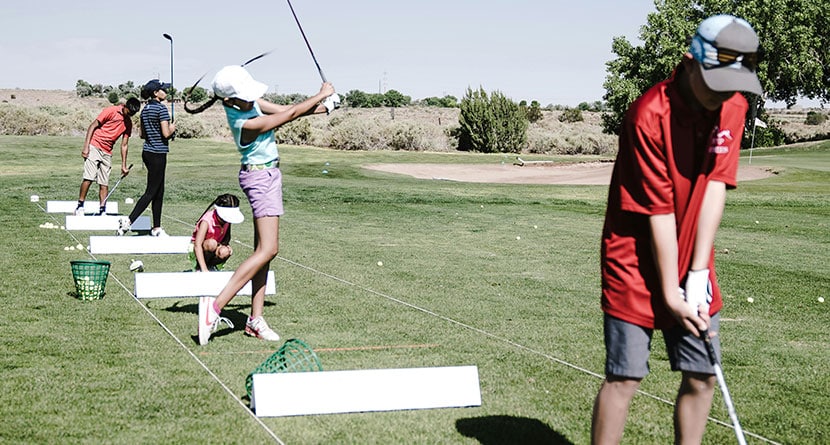
Image Source: clubhouse.swingu.com
The Journey Begins: First Steps in Golf
Golf is a sport that charms many. It looks simple: hit a ball into a hole. But it is much more complex. Your first few golf outings will show you this quickly. Many people wonder if they can learn golf fast. The truth is, it takes time. But the first steps are exciting.
Grasping the Basics: Your Initial Days
When you first pick up a golf club, many things feel new. Your hands might feel awkward on the club. Your body movements might feel unnatural. This is normal. Everyone starts here. The most important first steps are:
- The Grip: How you hold the club. This is key. A good grip helps you control the club face. It stops your hands from slipping. Learning a strong, neutral, or weak grip takes time. It feels weird at first.
- The Stance: How you stand before hitting the ball. Your feet, hips, and shoulders need to line up correctly. A good stance gives you balance. It helps you swing smoothly.
- The Posture: How you bend over the ball. You need to bend from your hips, not your back. This helps you turn your body. It protects your back.
These basics are the building blocks. You will spend many hours on them. Many beginners start by hitting balls at a driving range. This lets you practice swings without the pressure of a golf course.
Early Milestones: What to Expect First
Your first goal is just to hit the ball. Then, to hit it in the air. Next, to hit it somewhat straight. These small wins feel great. Do not expect to hit every shot perfectly. Expect many mishits. This is part of the fun. Your muscles need to learn new movements. Your brain needs to connect with these moves. This takes time and lots of tries.
Many new golfers focus only on the full swing. They want to hit the ball far. But the short game is just as vital. This includes chipping, pitching, and putting. These are shots played near the green. They often save you more strokes than long drives. Learning them early can help your score greatly.
Beginner Golf Progression: Milestones and Timeframes
The path of a beginner golfer is a step-by-step process. Each step builds on the last. How quickly you move depends on many things. But there are common goals most new golfers aim for.
From Zero to Playing a Round
Before you play a full round of golf, you need some skills. You should be able to hit the ball fairly consistently. You should know some basic rules. You should understand golf etiquette.
- Weeks 1-4: Focus on basic grip, stance, and a simple swing motion. Practice hitting short irons (like a 7-iron) at the driving range. Get used to making contact.
- Weeks 5-8: Start adding longer clubs. Practice chipping and putting. Spend time on the practice green. Learn how to walk the course. Understand basic rules like “out of bounds.”
- Months 3-6: You might be ready for your first full 9-hole round. Do not worry about your score. Focus on enjoying the game. Play ready golf. Keep pace.
The average time to improve golf at this stage can be quick for some. Others take longer. It depends on how much you practice. It also depends on how you practice. Regular, focused practice helps more than random hitting.
Setting Realistic Goals for Beginners
It is easy to get frustrated in golf. You see pros hit amazing shots. Then you hit one badly. Do not compare yourself to pros. Set small, achievable goals.
- “Today, I will focus on my grip for 15 minutes.”
- “I will hit 10 shots in a row without topping the ball.”
- “I will putt 10 balls from 10 feet and try to get 3 in the hole.”
These small wins add up. They build your confidence. They make the beginner golf progression enjoyable.
Reaching the Century Mark: Time to Break 100 Golf
For many golfers, breaking 100 is a major goal. What does it mean? It means completing 18 holes of golf in 99 strokes or less. This shows you can play decent golf. You can get the ball around the course.
The Significance of Breaking 100
Breaking 100 means you are no longer a total beginner. You likely hit some good shots. You manage your bad shots better. It proves you can move the ball forward. You can keep it mostly on the course. You can chip it near the hole. You can putt it in.
This milestone is often seen as the entry point to “real” golf. It is a big step on the mastering golf timeline.
Typical Timeframe to Break 100
How long does it take to break 100 golf? For most people, it takes dedication.
- Casual Player (1-2 practice sessions/month, few lessons): This could take 1 to 2 years or more. Progress will be slow but steady.
- Dedicated Player (1-2 practice sessions/week, regular lessons): This could take 6 months to 1 year. Consistent effort speeds things up.
- Very Dedicated Player (3+ practice sessions/week, many lessons): This could take 3 to 6 months. Fast progress is possible with high commitment.
Remember, this is an average time. Some people have natural talent. They might reach it faster. Others might struggle more. They might take longer. Patience is a must in golf.
Key Areas to Focus On to Break 100
To break 100, you need more than just a good swing. You need to play smart.
- Short Game Dominance: About half your shots are chips and putts. If you can get up and down (chip close, putt in) from just off the green, you save many strokes. Work on putting from different distances. Practice chipping to a tight target.
- Course Management: This means playing smart on the course. Do not try hero shots. If a shot is risky, play it safe. Aim for the center of the green. Avoid hazards like water or deep bunkers.
- No Three-Putts: Three-putting (taking three putts to get the ball in the hole) kills your score. Work on your putting. Focus on getting your first putt close to the hole. This makes the second putt easier.
- Consistency over Distance: It is better to hit your shots straight, even if they are not super long. A straight 150-yard shot is better than a wild 250-yard shot.
- Fixing Big Mistakes: Avoid “blow-up” holes. These are holes where you take 8, 9, or 10+ strokes. If you hit it badly, just get it back into play. Do not try to recover with another bad shot.
Breaking 100 is a mental game as much as a physical one. Staying calm and focused helps a lot.
The Role of Instruction: How Many Golf Lessons Needed?
Many new golfers wonder, “Do I really need lessons?” The answer is almost always yes. Golf lessons are a powerful tool. They can greatly speed up your learning.
Benefits of Professional Instruction
A good golf instructor (PGA Professional) can see things you cannot. They can spot flaws in your swing. They can offer clear advice.
- Correcting Bad Habits: It is easy to develop bad habits. Once learned, they are hard to break. A pro stops them early.
- Personalized Feedback: They teach you based on your body and your swing. What works for one person might not work for another.
- Structured Learning: Lessons give you a plan. You know what to work on. This makes practice more effective.
- Faster Progress: With expert guidance, you learn faster. You spend less time guessing. This answers the “quickest way to learn golf” question in part.
Recommended Number of Lessons
How many golf lessons needed depends on your goals and starting point.
- Absolute Beginner: Start with at least 3-5 lessons. These will cover the absolute basics: grip, stance, posture, and a simple swing motion. This sets a good foundation.
- Aiming to Break 100: You will likely need 10-20 lessons over a period of 6-12 months. These lessons will fine-tune your swing. They will also teach you short game skills and course strategy.
- Ongoing Improvement: Many golfers take lessons on and off for years. Even advanced players get coaching. This helps them keep improving. They might take a few lessons each season.
Table: Lesson Recommendations by Goal
| Goal | Recommended Lessons | Frequency | Expected Outcome (with practice) |
|---|---|---|---|
| Start Playing | 3-5 | Once every 2 weeks | Basic swings, ready for range |
| Break 100 | 10-20 | Once every 1-2 weeks | Consistent contact, course play |
| Break 90 / Beyond | Ongoing | Monthly/Quarterly | Refined skills, lower scores |
Remember, lessons are not a magic fix. You must practice what you learn. The pro gives you the tools. You must use them.
Practice Makes Perfect: Golf Practice Hours Per Week
Learning golf is like learning any skill. You need to practice. The amount and type of practice matter.
Quality Over Quantity
It is not just about how many golf practice hours per week you put in. It is about how well you use that time.
- Mindless Hitting: Hitting a bucket of balls without a plan helps little. You might be repeating bad habits.
- Focused Practice: Have a goal for each practice session. Work on one or two specific things. For example, “Today, I will only focus on my club take-away.” Or, “I will only hit 50-yard chip shots.”
Structured Practice Plans
A good practice plan includes different areas of the game.
- Driving Range (60%): Work on your full swing with different clubs. Do drills your pro gave you. Focus on tempo and balance.
- Short Game Area (30%): This is where you practice chipping, pitching, and bunker shots. These are scoring shots.
- Putting Green (10%): Practice putts of different lengths. Learn to read the green. Work on your putting stroke.
Table: Practice Time Allocation
| Area | Recommended % of Time | Focus |
|---|---|---|
| Full Swing | 60% | Irons, woods, consistency, power |
| Short Game | 30% | Chipping, pitching, bunker shots |
| Putting | 10% | Speed control, reading greens, accuracy |
| Course Play | As much as possible | Strategy, routine, mental game |
How Many Hours for Different Goals?
The more you practice, the faster you will improve.
- Casual Improvement (Breaking 110-120): 1-2 hours per week (range + some putting) + playing 9 or 18 holes every few weeks.
- Moderate Improvement (Breaking 100-110): 2-4 hours per week (structured practice on all areas) + playing 9 or 18 holes weekly.
- Rapid Improvement (Breaking 90-100): 5+ hours per week (dedicated, planned practice) + playing 18 holes 1-2 times a week.
This shows the average time to improve golf changes a lot based on your effort. Consistent, smart practice is the fastest way to get better.
Accelerating the Pace: Quickest Way to Learn Golf
Everyone wants to learn golf fast. While “fast” is relative in golf, there are ways to speed up your learning.
Intensive Learning vs. Spaced Learning
- Intensive: Take many lessons close together. Practice daily. This can give you a quick burst of improvement. This might be ideal for a golf vacation or a dedicated training period.
- Spaced: Take a lesson once a week. Practice a few times between lessons. This allows you to absorb lessons. It helps your body learn new movements over time. Most people find spaced learning more sustainable.
For the quickest way to learn golf, a mix of both might work best. A few intensive days to start. Then, regular, spaced practice and lessons.
Tools and Technology That Help
Modern golf offers many aids:
- Launch Monitors: These devices track your swing and ball flight. They give you data on club speed, ball speed, spin, and more. This data helps you understand your swing better.
- Swing Analyzers: Small devices that attach to your club or glove. They give instant feedback on your swing path, tempo, and club face.
- Online Resources: Thousands of videos and articles. You can learn drills and tips from top pros. But be careful not to get too much conflicting advice.
- Simulators: Indoor golf simulators let you play famous courses. You can practice in any weather. They often have launch monitor tech built in.
Using these tools wisely can speed up your progress. They give you clear data, not just feelings.
The Power of Playing
Practicing at the range is good. But nothing beats playing on the course. On-course play helps you:
- Learn Course Management: Decide where to hit the ball. Understand hazards.
- Develop a Routine: How you prepare for each shot.
- Handle Pressure: Play under different situations.
- Enjoy the Game: The whole reason you started!
The more you play, the more you learn. Try to play at least one 9-hole or 18-hole round each week if you are serious about fast progress.
Beyond the Basics: Mastering Golf Timeline
Once you break 100, new goals appear. Breaking 90, then 80, then becoming a scratch golfer. This is the mastering golf timeline. It requires deep commitment.
Breaking 90: Consistency is Key
Breaking 90 means shooting 89 or less for 18 holes. This is a big step. It shows you can hit many good shots. You mostly avoid big mistakes.
- Typical Timeframe: If you broke 100 within a year, breaking 90 might take another 1 to 2 years of consistent effort.
- Focus Areas:
- Driving Accuracy: Keep your drives in play. If you hit fewer balls out of bounds or into the woods, you save strokes.
- Iron Play to Greens: Hit more greens in regulation (GIR). This means getting the ball on the green in a certain number of strokes (e.g., 2 shots on a par 4).
- Putting Improvement: Reduce your average putts per round. Many golfers aim for fewer than 36 putts.
Breaking 80: Precision and Control
Breaking 80 means shooting 79 or less. This is a very good score. It shows you have real control over your game. You hit many greens. You make many pars. You even make some birdies.
- Typical Timeframe: This is where the time commitment gets serious. From breaking 90, it might take another 2 to 5 years or more. Some golfers never break 80.
- Focus Areas:
- Wedge Play: Your shots from 100 yards and in must be precise. You need to hit them close to the pin.
- Scrambling: When you miss the green, you need to get up and down often. This means chipping or pitching close and making the putt.
- Mental Toughness: Golf is hard mentally. You need to stay calm after bad shots. You need to focus on each shot.
Becoming a Scratch Golfer (Breaking Par)
A scratch golfer shoots par (or better) on a regular basis. This is a very high level of skill. These golfers often play in tournaments. They have mastered all parts of the game.
- Typical Timeframe: This can take 10 years or more of extreme dedication. For many, it is a lifelong pursuit. Few amateur golfers reach this level.
- Focus Areas: Every single shot. Every single putt. Extreme precision. Deep course knowledge. A very strong mental game.
So, how long to play golf proficiently? To play proficiently (consistently shoot in the 80s or low 90s) might take 3 to 5 years for a dedicated amateur. To master golf (scratch or better) is a much longer, often lifelong, journey.
Factors Shaping Your Golf Journey
Many things impact how long it takes to learn golf. These factors can speed up or slow down your progress.
Your Starting Point: Natural Athletic Ability
Some people have a natural feel for sports. They pick up new skills faster. Hand-eye coordination, balance, and flexibility all help in golf. If you have played other sports, you might have an easier time. If you are new to sports, it might take more time to develop these skills.
Time You Can Commit
This is perhaps the biggest factor.
- Practice Frequency: How often do you hit balls? How often do you chip and putt?
- Playing Rounds: How often do you play 9 or 18 holes?
- Lessons: How often do you see a pro?
More dedicated time means faster learning. It’s a simple equation.
Financial Investment
Golf can be an expensive sport.
- Lessons: Good lessons cost money.
- Equipment: Decent clubs, balls, shoes.
- Green Fees: Playing courses costs money.
- Practice Facilities: Range balls, putting green access.
If you can invest in these areas, your learning path can be smoother. You get better instruction and better tools.
Access to Facilities
Do you live near a good driving range? Are there affordable golf courses? Is there a short game area? Easy access means you can practice more often. If you have to drive far, you might practice less.
Mindset and Patience
Golf tests your patience like few other sports.
- Frustration Tolerance: You will hit bad shots. You will have bad rounds. Can you shake it off?
- Persistence: Do you keep trying even when it is hard?
- Love for the Game: Do you truly enjoy playing and practicing? If you love it, you will stick with it.
A positive mindset is crucial for long-term improvement. The golf learning curve is steep, but it is also rewarding.
Frequently Asked Questions (FAQ)
Q1: Can I teach myself golf without lessons?
A1: Yes, you can. Many golfers learn by watching videos or reading. However, it will likely take much longer. You might develop bad habits that are hard to fix later. Lessons give you personalized feedback. They help you learn correctly from the start.
Q2: How often should a beginner practice golf?
A2: For good progress, a beginner should aim for 2-3 times a week. Each session can be 1-2 hours. Mix range time, short game practice, and putting. Play a short round (9 holes) when you feel ready.
Q3: What is the most difficult part of learning golf?
A3: Many find consistency the hardest part. Hitting a good shot is one thing. Hitting many good shots in a row is another. Also, the mental game (staying calm and focused) is very challenging.
Q4: Is it ever too late to learn golf?
A4: No, it is never too late. People start golf at all ages, from kids to seniors. The learning pace might be different. But the joy of playing and improving is there for everyone.
Q5: How many golf balls should a beginner hit at the range?
A5: A beginner should focus on quality, not just quantity. Start with a small bucket (25-50 balls). Focus on hitting each ball with a purpose. Do not just hit them as fast as you can. As you improve, you might hit a medium or large bucket (50-100 balls) with a practice plan.