
Guide: How Long Do Golf Outings Last? Timing Explained
Golf outings typically last 4 to 6 hours. This timeframe covers the actual playing of the game. It does not include time spent on pre-event activities like checking in or post-event parties and awards. The total time for a golf outing can change a lot. Many things affect how long it takes. These include the number of players, the game format, and extra activities like meals or awards. Knowing these details helps you plan a great event.
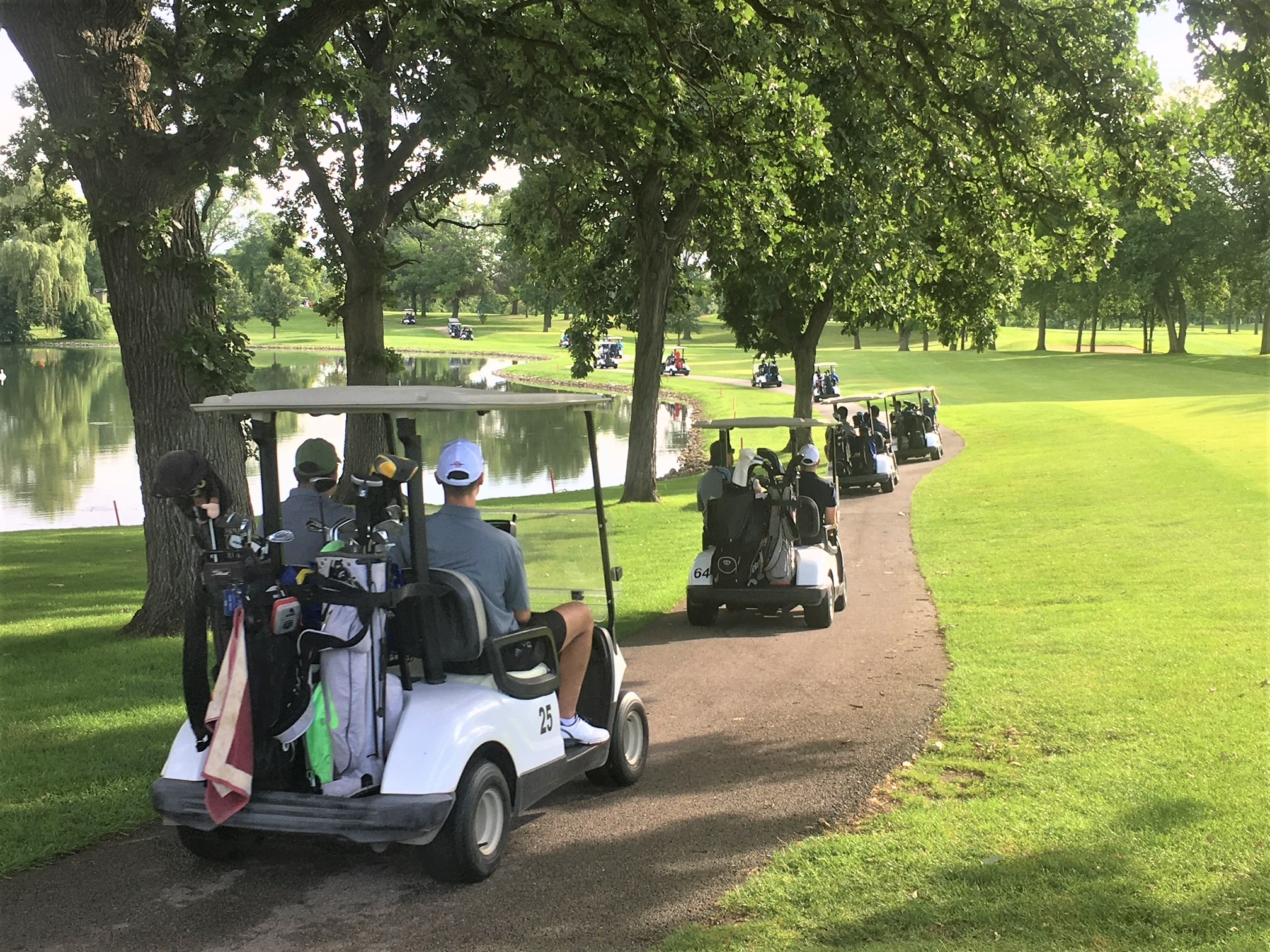
Image Source: www.standrewsgc.com
Deciphering Golf Outing Timelines
Finding out how long a golf outing will take means looking at many parts. It is more than just playing 18 holes. It includes everything from when guests arrive to when they leave.
Core Factors Shaping Event Duration
Many things can make a golf outing shorter or longer. Let’s look at the main ones.
Player Count and Group Size
The number of people playing is a big factor. More players usually mean a longer event. Most golf outings use groups of four players, called foursomes. This is a good number for keeping play moving.
- Many Players: If you have 100 players, that is 25 foursomes. They all need to move around the course. This can cause waiting times at each hole.
- Fewer Players: With only 40 players, there are 10 foursomes. They will move much faster. They will not have to wait as much.
Golf courses have a limit to how many groups they can handle well. Too many groups on the course at once will slow everyone down. This makes the golf tournament duration longer for all players.
Event Format
The way you play the game also changes the time. There are many ways to play golf. Some are faster than others.
- Scramble: This is often the fastest format. We will talk more about it below.
- Best Ball: A bit slower than a scramble, but still faster than regular play.
- Stroke Play: This is the slowest format. Each player plays their own ball from start to finish.
Knowing the format helps you guess the total time.
How Many Hours for a Golf Scramble?
A golf scramble usually takes about 4.5 to 5 hours for 18 holes. This is often quicker than other game types. In a scramble, everyone in the group hits the ball. Then, they all choose the best shot. Everyone plays their next shot from that best spot. This means players are not looking for lost balls as much. They also do not play every shot. This saves a lot of time. It is a very popular choice for events because it is fun and moves quickly.
Course Type and Layout
The golf course itself plays a part in timing.
- Longer Courses: A course with very long holes will take more time to play.
- Shorter Courses: A course with shorter holes or a par-3 course will be quicker.
- Course Difficulty: Hard courses with lots of water, sand, or trees can slow play. Players might lose more balls or take more shots. This adds time.
- Walking vs. Carts: If players walk, it often takes longer than if they use golf carts. Most outings use carts to speed things up.
Pace of Play
How fast or slow people play golf is called pace of play golf event. This is a very important factor.
- Fast Players: Groups who play quickly help everyone. They do not take too much time between shots. They are ready when it is their turn.
- Slow Players: Some groups take a lot of time. They might take many practice swings. They might look for lost balls too long. They might take too long to hit. One slow group can hold up all the groups behind them. This can make the total time much longer.
Organizers can help improve the pace of play. They can ask players to be ready to hit. They can also have staff on the course to gently remind slow groups to speed up.
Added Activities
Most golf outings are more than just golf. They often include:
- Meals: Lunch before, during, or dinner after the golf.
- Registration: Signing in when players arrive.
- Briefings: A short talk before play starts.
- Awards: A ceremony to give out prizes.
- Raffles or Auctions: Ways to raise money, common in charity events.
Each of these activities adds time to the event. A quick lunch might add 30 minutes. A full dinner and awards ceremony could add 2 to 3 hours. These activities are key to a full day golf outing planning.
Typical Golf Outing Formats and Their Lengths
Let’s look more closely at how different golf game styles affect time.
The Scramble Format
As mentioned, the scramble is very popular for outings. It is fun for all skill levels. It also helps with the golf tournament duration.
- How it Works: All players hit their first shot. The team picks the best shot. All players then hit their second shot from that spot. This repeats until the ball is in the hole.
- Why it’s Fast: No one has to hit a bad shot again. You do not spend time looking for lost balls. It moves along quickly because you always play from a good spot.
- Great for Fun: It lowers pressure and helps weaker players enjoy the game more. This makes it a good fit for a corporate golf event length or charity golf outing schedule.
Here is a general idea of how long a scramble might take:
| Activity | Estimated Time (Typical Scramble) |
|---|---|
| Registration | 30 – 60 minutes |
| Practice/Warm-up | 30 – 45 minutes |
| Pre-Golf Briefing | 10 – 15 minutes |
| 18-Hole Golf (Scramble) | 4 hours 30 minutes – 5 hours |
| Post-Golf Meal | 1 hour – 1 hour 30 minutes |
| Awards/Raffle | 30 – 45 minutes |
| Total Event Time | Approx. 7-8 hours |
Best Ball and Shamble
These formats are a middle ground between scrambles and stroke play.
- Best Ball: Each player plays their own ball for the whole hole. At the end of the hole, only the best score from the group counts. For example, if one player gets a 4 and others get 5s and 6s, only the 4 counts for the team. This can be a good choice for a corporate golf event length because it allows for individual play but still speeds up the overall scoring. It might take 4.5 to 5.5 hours for the golf part.
- Shamble: This format starts like a scramble. All players hit their first shot. The best drive is chosen. After that, each player plays their own ball from the spot of the best drive until the hole is finished. It is a bit faster than stroke play because everyone starts from a good spot. It can take 5 to 5.5 hours for the golf part.
These formats are often chosen when players want to play more of their own game but still have a team aspect.
Stroke Play Tournaments
This is the most traditional way to play golf. Each person plays their own ball from the first hit until it is in the hole. Every shot counts towards their personal score.
- Why it’s Slower: If a player hits a bad shot, they have to play it from where it landed. They might hit many shots on one hole. They might spend time looking for lost balls. There is no “best shot” to save them.
- Estimated Time for 18 Holes Golf Tournament: A typical 18-hole stroke play round for a group of four can easily take 5 to 6 hours. This is especially true if the course is busy or players are not very skilled. This format is not as common for large outings because of the time commitment. It is more for serious golfers.
Charity and Fundraiser Events
These outings often have extra parts. They need careful planning of their charity golf outing schedule. The goal is to raise money, so fundraising activities are key.
- Added Time: These events might include a silent auction, a live auction, speeches from the charity’s leaders, or special guests. These all add time.
- Timeline for Golf Fundraiser: A typical fundraiser might start with a morning check-in, a golf round, and then a full dinner and awards program. This makes the total day much longer than just the golf. It can easily be an 8-hour or even 9-hour event from start to finish.
Event Schedule Components and Their Duration
A golf outing is made of several parts. Each part adds to the total time.
Registration and Check-in
- Time: 30 minutes to 1 hour.
- What happens: Guests arrive, find their names, get their golf cart number, and pick up any welcome gifts. They might buy raffle tickets here too.
- Speed Tip: Have enough staff. Pre-assign carts and groups.
Practice Time (Driving Range, Putting Green)
- Time: 30 to 60 minutes.
- What happens: Players warm up before the game. They hit balls on the driving range or practice putting.
- Choice: This part is often optional. Not all outings offer it or make it part of the formal schedule.
Pre-Event Briefing/Welcome
- Time: 10 to 15 minutes.
- What happens: The event host or golf pro gives a quick talk. They explain the rules, point out on-course contests, and thank everyone.
- Speed Tip: Keep it short and to the point. Give out written rules for players to read later.
The Actual Golf Round
- Time: 4 to 6 hours for 18 holes. This is the average golf round time.
- What happens: This is the main event! Players go from hole to hole.
- Factors: The format, course, and pace of play all change this time. A scramble is on the lower end (4-5 hours). Stroke play is on the higher end (5-6 hours).
On-Course Contests and Activities
- Time: Adds small delays throughout the round.
- What happens: These are fun ways to make the game more exciting. Examples include:
- Longest Drive: Who hits the ball farthest on a certain hole?
- Closest to the Pin: Who hits their ball closest to the hole on a par-3?
- Hole-in-One Contests: Often for a big prize like a car.
- Impact on Time: While fun, they can slow down play slightly. Players might wait for the group ahead to finish a contest.
Post-Golf Social and Meal
- Time: 1 to 2 hours.
- What happens: After golf, players often gather for food and drinks. This is a great time for networking.
- Type of Meal: A quick buffet is faster than a sit-down, plated dinner.
- Importance: This is a key part of the social experience, especially for a corporate golf event length.
Awards Ceremony and Raffle
- Time: 30 minutes to 1 hour.
- What happens: Prizes are given out for contest winners and top teams. Raffle winners are announced. Speeches might be made.
- Speed Tip: Have prizes ready. Announce winners clearly. Keep speeches short.
Here are sample schedules to show how these parts fit together:
Table: Sample Full Day Golf Outing Schedule (Full Day Golf Outing Planning)
| Time Window | Activity | Estimated Duration | Notes |
|---|---|---|---|
| 10:00 AM – 11:00 AM | Player Arrival & Registration | 1 hour | Welcome gifts, raffle tickets, range balls |
| 11:00 AM – 11:30 AM | Practice & Warm-up (Driving Range/Putting) | 30 minutes | Optional, but often included |
| 11:30 AM – 11:45 AM | Welcome Briefing & Rules Review | 15 minutes | Important instructions |
| 12:00 PM | Shotgun Start (Golf Begins) | – | All groups start at once |
| 12:00 PM – 5:00 PM | 18-Hole Golf (Scramble Format) | 5 hours | Includes on-course contests and breaks |
| 5:00 PM – 5:30 PM | Players Finish & Relax | 30 minutes | Return carts, refresh |
| 5:30 PM – 6:30 PM | Cocktail Hour / Socializing | 1 hour | Drinks and appetizers |
| 6:30 PM – 7:30 PM | Dinner Service | 1 hour | Buffet or plated meal |
| 7:30 PM – 8:15 PM | Awards Ceremony & Raffle/Auction | 45 minutes | Announce winners, thank sponsors |
| Total Event Time | Approx. 10 hours 15 minutes | From first guest arrival to event end |
Table: Sample Half-Day Golf Outing Schedule (Half-Day Golf Events)
| Time Window | Activity | Estimated Duration | Notes |
|---|---|---|---|
| 7:30 AM – 8:00 AM | Player Arrival & Registration | 30 minutes | Quick check-in |
| 8:00 AM – 8:15 AM | Welcome Briefing | 15 minutes | Essential rules only |
| 8:30 AM | Shotgun Start (Golf Begins) | – | |
| 8:30 AM – 1:00 PM | 18-Hole Golf (Scramble Format) | 4 hours 30 minutes | Focus on efficient play |
| 1:00 PM – 2:00 PM | Post-Golf Lunch & Quick Awards | 1 hour | Casual meal, brief ceremony |
| Total Event Time | Approx. 6 hours 30 minutes | Shorter, more focused experience |
Strategies to Optimize Your Outing’s Flow
Smart planning can make a golf outing run much smoother and faster.
Shotgun Start vs. Tee Times
- Shotgun Start: All groups start at different holes at the same time (e.g., 9:00 AM). This is best for large events. Everyone finishes around the same time. This makes it easy to plan a meal and awards ceremony after. It helps with golf tournament duration by spreading players out.
- Tee Times: Groups start one after another from the first hole (e.g., first group at 8:00 AM, next at 8:10 AM, etc.). This is good for smaller events. It takes longer for everyone to finish since the last group starts much later than the first.
For most outings, a shotgun start is preferred for speed and ease of flow.
Food & Beverage Planning
- On-Course Snacks: Provide water, soda, and snacks on the course or in carts. This keeps players fueled and reduces stops.
- Quick Meals: A grab-and-go lunch before golf or a buffet after can save time. A plated sit-down dinner takes longer.
- Drink Carts: Having a drink cart on the course speeds up service. It prevents players from waiting at the clubhouse.
Streamlining Registration
- Online Sign-up: Have players sign up online before the event.
- Pre-Printed Cards: Have name tags and cart assignments ready.
- Enough Staff: Make sure there are enough people to help guests check in quickly.
Clear Instructions
- Rules Sheets: Give each group a simple sheet with event rules and contest details.
- Signs: Use clear signs for registration, rest rooms, and specific holes for contests.
- Brief Welcome: Keep the pre-golf talk short and clear.
Course Marshals/Rangers
- Role: These staff members drive around the course. They make sure everyone is playing at a good speed. They can gently encourage slow groups to speed up. They also help with any issues.
- Benefit: They are key to keeping the pace of play golf event smooth.
Golf Carts
- Essential: Most outings use golf carts. This speeds up play a lot. Walking 18 holes takes much longer.
- Ready for Use: Have carts ready with group names on them. Stock them with water, scorecards, and pencils.
Planning for Specific Outing Types
The focus of your outing will also shape its length.
Corporate Golf Events
For a corporate golf event length, the main goal is often networking and team building.
- Networking: Make sure there is plenty of time for talking before and after the golf. A longer social hour after the game is often key.
- Less Pressure: These events often use a scramble format. This lets players of all skill levels have fun and connect.
- Sponsorships: These events often have many sponsors. Each sponsor might have a small setup on a hole. This can add tiny bits of time but is good for business.
Charity Golf Outings
These events aim to raise money for a good cause. The charity golf outing schedule will often build in extra time for fundraising.
- Fundraising Focus: Expect things like silent auctions, live auctions, and special contests (like paying to hit from a better spot). These add time.
- Timeline for Golf Fundraiser: These events often run for a full day or even longer. They can start with a morning check-in and end with a big dinner and auction in the evening.
- Guest Speakers: There might be someone from the charity who speaks about the cause. This is important but adds to the length.
Social Gatherings/Friend Outings
These are often the most relaxed. They are not formal events.
- Flexible: There is less pressure on time. Friends might take their time or play faster, depending on their mood.
- No Extra Parts: Usually, there are no formal registrations, speeches, or awards. This makes them shorter overall.
- Average Golf Round Time: The length will mostly just be the average golf round time for 18 holes, plus any casual meal or drinks afterward.
Average Golf Round Time: What to Expect
Let’s sum up the golf playing time.
For an 18-hole round of golf, the average golf round time is about 4 hours and 15 minutes to 4 hours and 30 minutes for a foursome. This is for a typical round where play moves at a good pace.
- Faster Play: If the course is empty, players are skilled, or it’s a scramble, it can be closer to 4 hours.
- Slower Play: If the course is busy, players are new, or it’s stroke play, it can easily go over 5 hours. Some very slow rounds can even take 6 hours.
For 9-hole golf outings (which fall under half-day golf events), you can expect the actual golf part to take about 2 hours to 2 hours and 30 minutes. Adding registration and a quick bite, a 9-hole event is typically 3 to 4 hours in total.
Planning your event with these times in mind will help you set realistic expectations for your guests and ensure a smooth, enjoyable day.
Conclusion
Knowing how long a golf outing lasts helps you plan a great event. It’s more than just the time spent hitting a ball. It includes check-in, warm-ups, meals, awards, and other fun activities. Most 18-hole golf outings take about 4 to 6 hours for the game itself. When you add in everything else, a full event can run from 7 to 10 hours. Scrambles are usually faster, while traditional stroke play takes longer. By choosing the right format, planning your schedule well, and keeping things moving, you can make sure your corporate golf event length, charity golf outing schedule, or friendly gathering goes off without a hitch. Remember to factor in the estimated time for 18 holes golf tournament and the pace of play golf event when you make your arrangements. Good planning leads to a successful and fun day for all.
Frequently Asked Questions (FAQ)
Q1: How long does a 9-hole golf outing take?
A 9-hole golf outing usually takes about 2 to 2.5 hours for the golf play. With a quick check-in and simple awards, the total event time is often 3 to 4 hours. This makes it a popular choice for half-day golf events.
Q2: What is the fastest golf outing format?
The scramble format is the fastest golf outing format. Teams choose the best shot each time, which speeds up play. An 18-hole scramble typically finishes in 4.5 to 5 hours.
Q3: Does a golf outing include lunch/dinner?
Many golf outings include at least one meal, either lunch before or during play, or dinner afterward. This is common for corporate golf event length and charity golf outing schedule planning. The meal adds 1 to 2 hours to the total event time.
Q4: Can we customize the length of our golf outing?
Yes, you can customize the length. You can choose to play 9 holes instead of 18. You can also skip extra activities like formal meals or long awards ceremonies. This helps control the golf tournament duration and total event time.
Q5: What are the main time delays in golf outings?
The main delays come from slow pace of play golf event, waiting for groups ahead, players spending too much time searching for lost balls, and long non-golf activities like extended registration or awards ceremonies.