
Your Guide: How Long Do Golf Carts Take To Charge?
How long do golf carts take to charge? The time it takes for a golf cart to charge fully can change a lot. Most of the time, a golf cart with lead-acid batteries will need about 4 to 8 hours to get a good charge, but it can take up to 12 hours for a full cycle if very low. Golf carts with newer lithium batteries charge much faster, often in just 2 to 4 hours. Many things change how long charging takes. These include the kind of battery, how old it is, how much power it has left, and the type of charger you use.
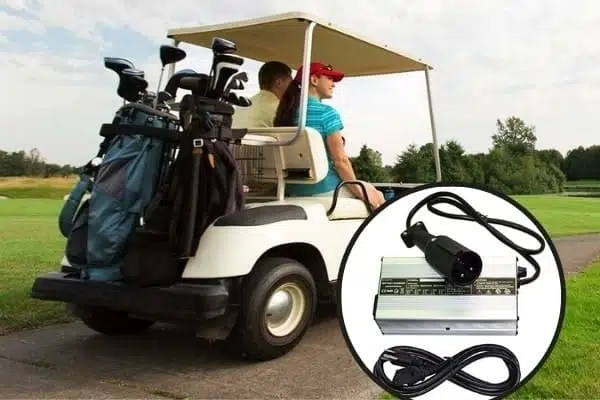
Image Source: manlybattery.com
The Core of Golf Cart Charging: What You Need to Know
Knowing about your golf cart’s power system is the first step. Think of it like knowing your car’s fuel type. Golf carts use batteries to run, and these batteries need power often. The time it takes to fill them up is crucial for your cart’s life and use.
Battery Types and Their Charge Times
The type of battery in your golf cart is the biggest factor in how long it charges. There are two main kinds: lead-acid and lithium-ion. Each works in its own way.
Lead-Acid Golf Cart Battery Charge Duration
Most golf carts use lead-acid batteries. These are like the big, heavy batteries you might see in cars, but they are special. They are “deep cycle” batteries. This means they are made to give out power for a long time and then be charged back up many times.
For lead-acid batteries, the golf cart battery charging time is usually longer. If your golf cart’s battery is about half empty, a full charge might take around 8 hours. If it’s almost empty, it can take 10 to 12 hours. This is because these batteries need a slow, steady charge to fill up safely and fully. They also need time to balance their cells. Stopping the charge too early can hurt them over time.
It is best to let lead-acid batteries charge until they are completely full. Most chargers will stop on their own when done. This helps the battery last longer. If you only charge them a little bit each time, they might not work as well for as long.
Here is a general idea of lead-acid charging times:
| Battery Voltage | Usual Charge Time (from 50% empty) | Max Charge Time (from very low) |
|---|---|---|
| 36V | 6-8 hours | 10-12 hours |
| 48V | 6-8 hours | 10-12 hours |
| 72V | 6-8 hours | 10-12 hours |
These times are for a healthy battery and the right charger. An older battery might take longer.
Lithium Golf Cart Battery Charge Time
Lithium-ion batteries are newer for golf carts. They are becoming more common. They offer many good things. The best part is how fast they charge.
A lithium golf cart battery can often charge from almost empty to full in just 2 to 4 hours. This is much faster than lead-acid. Why is it so quick? Lithium batteries can take in power faster without getting hurt. They also keep their power better and are lighter. This means you can use your cart sooner after charging. It also means you can do quick “top-up” charges if you need to.
Here’s how lithium battery charge times compare:
| Battery Voltage | Usual Charge Time (from 20% left) |
|---|---|
| 36V | 2-3 hours |
| 48V | 2-4 hours |
| 72V | 3-5 hours |
Lithium batteries are a big change for golf cart users. They make charging much easier and quicker.
Voltage Systems and How Long to Charge 48v Golf Cart Battery (and others)
Golf carts come with different power systems. The “voltage” tells you how much power the system uses. Common voltages are 36V, 48V, and sometimes 72V. People often ask how long to charge 48v golf cart battery.
The voltage itself does not change the charging time as much as the battery type does. For example, a 36V lead-acid battery and a 48V lead-acid battery will both take about 8-12 hours to charge from low to full. The same is true for lithium batteries; a 36V lithium and a 48V lithium will both charge in about 2-4 hours.
What matters more than the voltage is the amount of energy the battery can hold (its “amp-hours” or “Ah”). A bigger battery (more Ah) will take longer to fill, even if it’s the same voltage. But usually, golf carts of different voltages have similar battery sizes for their power needs. So, the average golf cart charge time stays in that 4-12 hour range for lead-acid and 2-4 hours for lithium, no matter if it’s 36V or 48V.
You must use a charger that matches your golf cart’s voltage. A 48V cart needs a 48V charger. Using the wrong voltage charger can damage your batteries or even be dangerous.
Golf Cart Charger Amps and Charge Time
The charger you use also plays a big part in charge time. Chargers are rated by “amps.” Amps tell you how much electric current the charger can push into the battery. Think of it like a water hose. A charger with more amps is like a wider hose; it can fill the battery faster.
A standard golf cart charger might be 15 amps. A higher-amp charger, like 20 or 25 amps, can charge faster. But you cannot just use any high-amp charger. Your battery can only take power so fast. Too many amps can hurt it.
For lead-acid batteries, a rule of thumb is that the charger’s amps should be about 10-13% of the battery’s amp-hour (Ah) rating. For example, if your 48V golf cart has a battery pack rated at 200 Ah, a 20-26 amp charger would be good. Using a 15-amp charger on a 200 Ah battery would mean a longer charge time.
Here’s a simple look at golf cart charger amps and charge time:
| Charger Amps | Impact on Charge Time (Lead-Acid) | Notes |
|---|---|---|
| 15 Amps | Slower (8-12+ hours) | Common for older/basic chargers |
| 20 Amps | Standard (6-10 hours) | Good balance of speed and battery care |
| 25+ Amps | Faster (4-8 hours) | For larger batteries or quicker charges. Make sure battery can handle it. |
For lithium batteries, they can often take higher amps safely. This is part of why they charge so fast. A lithium charger might put out 20 amps or more and still charge in just 2-4 hours. Always use the charger made for your lithium battery pack.
Factors Affecting Golf Cart Charging: More Than Just Time
While battery type and charger amps are key, many other things can change how long your golf cart takes to charge. These are the factors affecting golf cart charging. Knowing them helps you get the best charge every time.
Depth of Discharge (DoD)
How much power is left in your battery before you charge it? This is the “depth of discharge.” If your battery is almost empty (deep discharge), it will take much longer to fill up. If it’s only half empty, it will charge faster.
For lead-acid batteries, it is often best to charge them after each use. Even if you only used the cart for a short time, putting it on the charger helps keep the battery healthy. Letting them go too low too often can damage them.
Lithium batteries handle different depths of discharge better. You can charge them from almost empty, or you can just top them off for a few minutes. They are more flexible in this way.
Battery Age and Condition
An older battery, just like an old cell phone battery, does not hold a charge as well. It also takes longer to charge. Over time, lead-acid batteries can build up “sulfation.” This is a hard crust that forms on the plates inside the battery. It makes it harder for the battery to take a charge. This means longer charge times and less power.
Keeping your batteries clean and checking their water levels (for lead-acid) can help them last longer. If your golf cart battery is suddenly taking much longer to charge than before, it might be a sign that it is getting old or needs service.
Charger Quality and Type
Not all chargers are made the same. A smart charger is much better than an old, basic one. Smart chargers watch the battery’s charge level. They can adjust how much power they send. They also stop charging when the battery is full. This keeps your battery from getting overcharged, which can hurt it.
Some chargers have special modes, like “desulfation” mode, which can help old lead-acid batteries. Always use a charger that is meant for golf carts and that matches your battery’s voltage and type (lead-acid or lithium).
Environmental Temperature
The temperature where you charge your golf cart matters. Batteries do not like extreme cold or extreme heat.
- Cold Weather: In cold weather, batteries take longer to charge. They also do not hold as much power. If it is very cold, you might need to bring your golf cart indoors to charge it. Charging a very cold battery can also damage it. Let it warm up a bit first if possible.
- Hot Weather: Very hot temperatures can also hurt batteries during charging. They can get too hot, which shortens their life. Make sure your charging area is cool and has good air flow.
The best temperature range for charging is usually between 50°F and 80°F (10°C and 27°C).
Optimizing Your Golf Cart Battery Charging
Making your golf cart battery last longer and perform its best is important. This means getting the charging process right. It is not just about how long it takes, but how you do it.
Deep Cycle Battery Charging Hours: Getting it Right
For lead-acid deep cycle battery charging hours, consistency is key. These batteries are designed to be discharged and recharged deeply. But they prefer a full charge cycle often.
- Charge After Every Use: Even if you just took your cart for a short trip, plug it in. This is especially true for lead-acid batteries. It helps avoid “partial charging” problems.
- Complete the Cycle: Always let the charger finish its work. For lead-acid, this means waiting until the charger turns off automatically. Stopping early, especially often, can confuse the battery’s charge memory and reduce its capacity over time.
- Avoid Over-Discharge: Try not to run your lead-acid batteries completely flat. Going below 20% charge often can damage them and shorten their life.
- Regular Full Charges: Even if you do not use your cart daily, give your lead-acid batteries a full charge at least once a week. This keeps the battery chemistry active.
For lithium batteries, this is less strict. They do not mind partial charges. You can charge them whenever you want, even for short bursts. But for best life, it is still good to avoid keeping them at 100% or 0% for very long periods.
Extend Golf Cart Battery Life Charging Tips
Here are some top tips to extend golf cart battery life charging tips:
- Charge After Every Use (Lead-Acid): As mentioned, this is the golden rule for lead-acid batteries. It keeps them happy and healthy.
- Use the Right Charger: Always use a charger that matches your battery type (lead-acid or lithium) and voltage (36V, 48V, etc.). A wrong charger can cause harm.
- Do Not Overcharge (with Basic Chargers): Modern smart chargers stop on their own. But if you have an older or very basic charger, be careful not to leave it plugged in for days after the charge is done. Overcharging can boil off water in lead-acid batteries or overheat lithium ones.
- Do Not Undercharge: This is a very common mistake. Not charging enough, or stopping the charge too soon, is bad for lead-acid batteries. It leads to sulfation and less power. Make sure the charge cycle completes.
- Keep Batteries Clean: For lead-acid batteries, clean the tops of your batteries and the terminals often. Dirt, dust, and acid buildup can cause power leaks and corrosion. Use a baking soda and water mix, then rinse and dry.
- Check Water Levels (Lead-Acid): Every month or so, check the water levels in your lead-acid batteries. Only use distilled water. Add water after charging, not before. Low water levels expose battery plates, which leads to damage.
- Store Properly: If you are not using your golf cart for a long time (like over winter), charge the batteries fully. For lead-acid, disconnect them or use a smart “trickle” charger that keeps them topped up. For lithium, most have a storage mode; charge to about 50-60% before storing.
- Avoid Extreme Temperatures: Try to charge and store your golf cart batteries in a place that is not too hot or too cold. This helps them last longer and charge better.
- Let Batteries Cool Down: If you have just driven your cart hard, let the batteries cool down for 30 minutes to an hour before plugging them in to charge. Charging hot batteries can be less efficient and may shorten their life.
- Regularly Check Battery Connections: Make sure all the cables and terminals on your batteries are tight and clean. Loose or corroded connections can cause poor charging and power loss.
By following these tips, you can make sure your golf cart batteries charge efficiently and last for many years. Proper charging is the single most important thing you can do for your golf cart’s battery system.
Frequently Asked Questions About Golf Cart Charging
Here are answers to common questions about charging your golf cart.
Can I leave my golf cart plugged in all the time?
For most modern golf carts with smart chargers, yes, you can leave them plugged in. Smart chargers have an “automatic shut-off” feature. They stop charging when the battery is full and only turn back on to “top off” the battery if it loses a little power. This is actually good for lead-acid batteries, keeping them fully charged. For lithium batteries, it is also generally fine, as their battery management systems (BMS) protect them.
How often should I charge my golf cart?
For golf carts with lead-acid batteries, you should plug them in after every use, even short ones. If you do not use your cart for a few days or a week, still give it a full charge at least once a week to keep the batteries healthy. Lithium batteries are more flexible; you can charge them as needed, but regular charging is still good.
What happens if I do not charge my golf cart enough?
Not charging your golf cart enough is a big problem for lead-acid batteries. It leads to “sulfation.” This is when hard crystals build up on the battery plates. Sulfation reduces the battery’s ability to hold a charge and can cause it to die early. Your cart will not go as far, and eventually, the batteries will stop working. Lithium batteries are much less affected by partial charges.
Is it okay to charge a golf cart in cold weather?
You can charge a golf cart in cold weather, but it will take longer. Batteries are less efficient in the cold. If it is very cold (below freezing), it is best to let the batteries warm up a bit indoors before charging. Charging a frozen battery can damage it very badly. Also, keep in mind that cold batteries will not give you as much range when you drive.
How do I know if my golf cart battery is fully charged?
Most golf cart chargers have an indicator light that changes color or turns off when charging is complete. For lead-acid batteries, you can also use a hydrometer to check the specific gravity of the fluid in each cell; a specific gravity reading of 1.265 or higher usually means a full charge. Lithium batteries often have a state-of-charge display or an app that tells you the percentage.
Does driving style affect charging time?
Driving style affects how much power you use. If you drive fast, up hills, or carry heavy loads, you will use more battery power. This means the battery will be emptier when you plug it in. A emptier battery will take longer to charge than one that is only partly used. So, in a way, driving style affects how long you will need to charge.
What is the typical lifespan of golf cart batteries?
The lifespan of golf cart batteries depends a lot on how well you care for them.
* Lead-acid batteries usually last 4 to 6 years with good care. Poor care can shorten this to 2-3 years.
* Lithium-ion batteries last much longer, often 8 to 10 years or even more, with minimal maintenance. Their longer life is one of their big advantages, even though they cost more upfront.
Conclusion
Charging your golf cart is a simple task that plays a huge part in its life and how it performs. Knowing the golf cart battery charging time for your specific battery type, whether it’s the 8-12 hours for lead-acid or the quick 2-4 hours for lithium, helps you plan your day. By understanding the factors affecting golf cart charging, like how empty the battery is or the temperature, you can make smart choices.
Using the right charger, following the deep cycle battery charging hours for lead-acid, and applying extend golf cart battery life charging tips are key steps. These simple actions ensure your golf cart is always ready to go. They also help your batteries last longer, saving you money in the long run. Proper charging is not just about filling up your battery; it is about keeping your golf cart ready for many years of fun.