
Step-by-Step Guide: How To Transport Golf Cart Securely
Moving a golf cart from one place to another needs careful planning. Whether you bought a new cart, are moving, or taking it to a different course, secure transport is key. This guide will show you how to move your golf cart safely. It covers everything from getting ready to choosing the right way to move it. It also explains how to secure your golf cart for transport, no matter the distance. We will talk about options like using a golf cart trailer, hiring golf cart transport services, and important steps for electric golf cart moving.
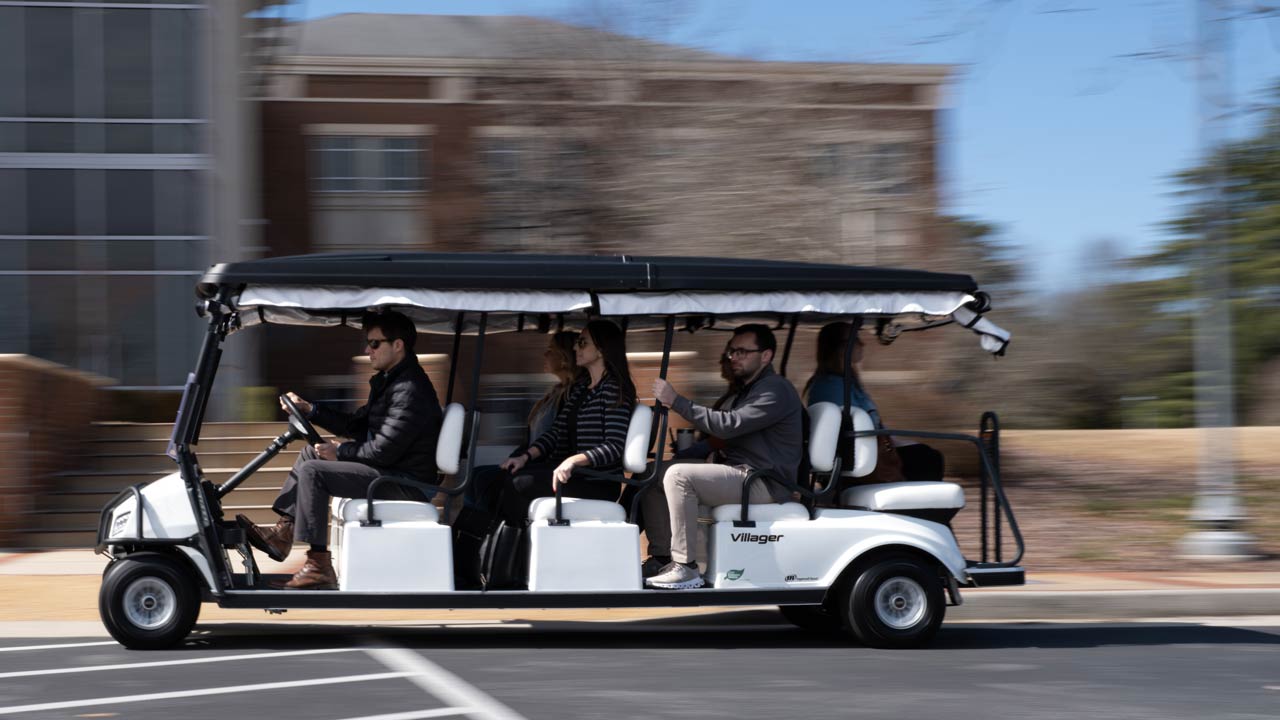
Image Source: www.clubcar.com
Getting Ready for the Trip
Before you even think about moving your golf cart, you need to get it ready. Proper preparation saves time and stops problems. It makes sure your cart arrives safe and sound.
Cleaning Your Cart
First, clean your golf cart. Wash off dirt, mud, and grass. This makes it easier to see any existing damage. It also keeps dirt from spreading inside a closed trailer. A clean cart is also nicer for whoever gets it.
Checking Fluids and Battery
For gas golf carts, check the fuel level. Make sure the fuel tank is not full. A tank that is about one-quarter full is best. This keeps the cart light. It also makes sure there is enough fuel to move it onto a trailer. Check the oil and other fluids. Make sure there are no leaks.
For electric golf cart moving, check the battery charge. It’s best to move an electric cart with a full charge. This keeps the batteries in good shape. If you plan to move it a very long way, or if it will sit for a while, you might want to disconnect the main battery wires. This stops the battery from losing charge. Just remember which wires go where. Take a picture if it helps.
Removing Loose Items
Walk around your golf cart. Take out anything that is not bolted down. This includes:
* Golf clubs and bags
* Coolers
* Trash cans
* Ball holders
* Any extra seats or covers that could flap in the wind
Store these items inside your car or in a box. Loose items can fly off during transport. They can damage your cart or other vehicles.
Taking Note of Golf Cart Dimensions
Knowing your golf cart’s size is very important. It helps you pick the right golf cart trailer or truck. Measure the length, width, and height. Remember to measure to the highest point. This might be the top of the roof or a tall light.
Here are some common golf cart dimensions for different types:
| Golf Cart Type | Length (inches) | Width (inches) | Height (inches) | Weight (lbs) |
|---|---|---|---|---|
| 2-Seater (Standard) | 90-95 | 45-50 | 65-70 | 500-600 |
| 4-Seater (Standard) | 105-110 | 45-50 | 68-72 | 800-900 |
| 6-Seater (Standard) | 140-150 | 48-52 | 70-75 | 1000-1200 |
| Utility/Work Cart | 110-120 | 48-55 | 70-75 | 900-1100 |
| Lifted Cart | 95-100 | 50-55 | 75-80+ | 600-700 |
- These are average sizes. Your golf cart might be different. Always measure your own cart.
- Make sure the trailer or truck bed is wider and longer than your cart. This leaves room for error and tie-down points.
- Check the height too, especially if you use an enclosed trailer. Or if you go under low bridges.
Checking Tire Pressure
Check the air in your golf cart tires. Make sure they are filled to the right level. The correct pressure is usually printed on the tire wall. This helps the cart roll smoothly. It also makes sure the tires handle the trip well. If you are using a golf cart trailer, check its tire pressure too. Under-inflated tires on the trailer can cause big problems.
Picking the Best Way to Move Your Golf Cart
You have two main ways to transport your golf cart: do it yourself or hire a professional. Each way has its own pros and cons.
Using a Trailer or Flatbed (DIY Hauling Golf Cart)
Many people choose to move their golf cart themselves. This usually means using a golf cart trailer or a flatbed golf cart truck. This is a good choice if you have the right vehicle, a good trailer, and know how to tow.
Choosing the Right Golf Cart Trailer
This is a big step. The right trailer makes hauling golf cart safe. The wrong one can be dangerous.
- Size: The trailer must be bigger than your golf cart. Look at the length and width. You need extra space for ramps and tying down the cart.
- Weight Capacity: Check the trailer’s weight limit. Your golf cart must be lighter than this limit. Do not guess. Weigh your cart if you can. Or use the average weights from the table above.
- Type of Trailer:
- Open Utility Trailer: These are common. They have sides and a ramp. They are good for most golf carts. They are cheaper to rent. But they leave your cart open to weather and road debris.
- Flatbed Trailer: These are just a flat platform. They are good for larger or lifted golf carts. They offer more flexibility for tie-down spots. But they might not have side rails to guide your cart.
- Enclosed Trailer: These trailers protect your cart from weather and theft. They are good for long distance golf cart transport. They cost more to rent or buy. They are also heavier. Make sure your towing vehicle can handle the extra weight.
- Ramps: Make sure the trailer has strong, long ramps. Short ramps mean a steep angle. This can make loading hard. It can even damage your golf cart. The ramps should be wide enough for your golf cart tires.
Renting vs. Owning
- Renting: This is a good choice if you only move your golf cart sometimes. Places like U-Haul or other rental companies have utility trailers. Make sure the trailer is made for vehicles. Check the capacity and size carefully. Renting saves you from buying and storing a trailer.
- Owning: If you move your golf cart often, buying a trailer might be better. It costs more at first. But it saves money over time. You always have a trailer ready when you need it.
Hiring Golf Cart Transport Services (Professional Shipping Golf Cart)
Sometimes, doing it yourself is not the best option. For example, if you do not have a towing vehicle. Or if you need long distance golf cart transport. In these cases, hiring professional golf cart transport services is a smart move.
When to Use a Service
- Long Distance Moves: Shipping golf cart across states or a very long way is tough. Professionals have the right equipment and experience.
- No Towing Vehicle: If you do not have a truck or SUV that can tow a heavy trailer, a service is needed.
- Lack of Experience: If you have never towed a large trailer, it can be risky.
- Peace of Mind: Professional services usually have insurance. They handle all the tough parts. This gives you less to worry about.
- Specific Needs: Some services specialize in classic or custom golf carts. They offer extra care.
How to Pick a Good Service
Choosing the right transport service is important. Do your homework.
- Get Quotes: Ask at least three different golf cart transport services for a price. Compare what they offer.
- Check Reviews: Look at online reviews. See what past customers say. Look for comments about good service, on-time delivery, and safe transport.
- Insurance: Ask about their insurance. Make sure your golf cart is covered if something goes wrong during transit.
- Experience: Choose a company that moves golf carts often. They know the special needs of these vehicles.
- Door-to-Door vs. Terminal-to-Terminal: Ask if they pick up and drop off right at your location. Or if you need to take your cart to a hub. Door-to-door is usually more convenient.
Loading Your Golf Cart Safely
Loading the golf cart onto the trailer or flatbed golf cart truck is a critical step. Take your time and be careful.
Finding a Level Spot
Always load your golf cart on flat, solid ground. An unlevel surface makes the cart harder to control. It also makes the trailer less stable. This can be very dangerous.
Using Strong Ramps
Use ramps that are wide enough and strong enough for your golf cart. The ramps should be long enough to create a gentle slope. If the angle is too steep, the golf cart might scrape its bottom. Or it might tip over. Ramps should be well-secured to the trailer. They should not slip.
Driving On or Winching
- Driving On: If you drive the golf cart onto the trailer, go very slowly. Keep the cart straight on the ramps. Have someone spot you if possible. Once the front wheels are on the trailer, keep going until the entire cart is on.
- Winching: If your golf cart does not run, or if you prefer extra safety, use a winch. Attach the winch hook to a strong part of the golf cart’s frame. Make sure the winch rope is straight. Slowly pull the cart onto the trailer. Guide it carefully.
Parking and Braking
Once the golf cart is on the trailer, park it in the correct spot. Usually, you want the cart’s weight centered over the trailer axles. This helps the trailer pull straight. Set the parking brake firmly. Put the gear selector in “Park” or “Neutral” for gas carts. For electric carts, set the switch to “Tow/Run” if it has one, and then engage the parking brake. Block the wheels with wheel chocks for extra safety.
Securing Your Golf Cart for Transport (Tie Down Golf Cart)
This is perhaps the most important part of the whole process. Proper securing golf cart for transport stops it from moving. It keeps it safe and prevents accidents.
Why Proper Securing Matters
If your golf cart moves during transport, it can:
* Get scratched or damaged itself.
* Damage the trailer.
* Shift weight and cause the towing vehicle to lose control.
* Break loose and cause an accident on the road.
The Right Straps
Do not use old or worn-out ropes or bungee cords. They are not strong enough. You need proper tie-down straps.
- Ratchet Straps: These are the best choice. They have a ratchet mechanism that lets you tighten the strap very, very tight. They are strong and reliable. Make sure they are rated for the weight of your golf cart. Get straps with a working load limit of at least 1,000 pounds each. You will need at least four.
- Cam Buckle Straps: These are good for lighter items. They are not as strong as ratchet straps. They might be okay for very light carts or as extra straps. But do not use them as your main securing straps.
- Wheel Nets: These straps go around the golf cart’s tires. They hold the wheels tightly to the trailer. They are excellent for keeping the cart from rolling. Use them with other straps for full security.
Finding Strong Tie-Down Points
This is key to securing golf cart for transport. Attach your straps to strong, metal parts of the golf cart’s frame or axle.
- Look for Frame Rails: These are the main metal beams that run along the bottom of the cart. They are very strong.
- Axles: The front and rear axles are also good, strong points.
- Never attach straps to:
- Plastic body parts
- Steering wheel
- Roof supports
- Suspension springs
- Anything that can bend, break, or come loose.
Always attach straps to the trailer’s tie-down points too. These are usually D-rings or heavy-duty hooks.
The “X” Pattern
Use at least four tie-down straps. One at each corner of the golf cart. The best way to secure them is in an “X” pattern.
- Front: Connect a strap from the front-left side of the golf cart frame to the front-right tie-down point on the trailer.
- Front: Connect another strap from the front-right side of the golf cart frame to the front-left tie-down point on the trailer.
- Back: Do the same for the back of the golf cart. Connect a strap from the rear-left to the rear-right trailer point.
- Back: Connect another strap from the rear-right to the rear-left trailer point.
This “X” pattern pulls the golf cart down and forward/backward at the same time. It stops movement in all directions.
Checking Tension
Once all straps are in place, tighten them. Use the ratchet mechanism until the straps are very tight. The golf cart should not move at all. Grab the cart and try to shake it. If it wiggles, tighten the straps more.
After you have driven a short distance (about 10-15 miles), pull over safely. Check all the straps again. They might have loosened a bit during the first bumps and turns. Tighten them again if needed. Do this every time you stop for a break during a long trip.
Protecting Sensitive Areas
The straps can rub against your golf cart’s body. This can cause scratches. To avoid this:
* Use old towels or rags.
* Cut pieces of carpet or rubber.
* Place these pads between the straps and the golf cart’s body where they touch.
* This extra step protects your paint and finish.
Driving with Your Golf Cart
Driving with a trailer is different from driving without one. You need to be more careful.
Pre-Drive Checks
Before you start driving:
* Trailer Hitch: Make sure the trailer hitch is locked onto your vehicle’s tow ball. The safety chains should be crossed under the hitch and attached.
* Trailer Lights: Connect the trailer’s light plug to your vehicle. Check all lights: brake lights, turn signals, and running lights. Make sure they all work.
* Tires: Check the air pressure in your vehicle’s tires, the trailer tires, and the golf cart tires again.
* Straps: Double-check all tie-down straps. Give them a tug to make sure they are still tight.
Driving Tips
- Slower Speeds: Drive slower than usual. High speeds make it harder to control a trailer.
- Wider Turns: Trailers cut corners. Make wider turns than normal to avoid hitting curbs or other objects.
- More Stopping Distance: It takes much longer to stop with a heavy trailer. Leave more space between your vehicle and the car in front.
- Lane Changes: Plan your lane changes early. Use your turn signals well in advance.
- Hills: Go slower up and down hills. Downhill, use a lower gear to help control speed.
- Wind: Be ready for strong winds. They can push your trailer around.
- Mirror Checks: Check your side mirrors often. Watch the trailer and your golf cart. Make sure nothing has shifted.
Taking Breaks
During long distance golf cart transport, stop often. Every few hours, pull over safely. Walk around the trailer and golf cart. Check all the tie-down straps again. Tighten any that have loosened. This small check can prevent big problems.
Special Cases: Electric Golf Cart Moving and Long Distance Transport
Some situations need extra thought.
Electric Golf Cart Moving
We talked about battery charge earlier. Here are a few more tips:
* Tow/Run Switch: If your electric golf cart has a “Tow/Run” switch, put it in the “Tow” position. This stops the golf cart from getting power. It saves the battery. It also prevents the motor from possibly spinning if the wheels turn during transport.
* Charger: Do not transport the cart with the charger plugged in.
* Battery Condition: Make sure the batteries are in good shape before moving. Very old or damaged batteries can be a fire risk if not handled right.
Long Distance Golf Cart Transport
For very long trips, consider professional golf cart transport services. They specialize in shipping golf cart. If you do it yourself:
* Maintenance: Make sure your towing vehicle is in top shape. Get an oil change. Check all fluids.
* Emergency Kit: Carry an emergency kit. Include spare tire for trailer, jack, tire iron, first-aid kit, flares, and extra straps.
* Weather: Check the weather forecast for your entire route. Bad weather like heavy rain, snow, or high winds makes towing very risky.
* Breaks: Take more frequent breaks to rest and check your setup.
Unloading and Post-Transport Checks
You have arrived! Now, you need to get your golf cart off the trailer safely.
Safe Unloading
- Level Ground: Again, find flat, solid ground.
- Remove Straps: Loosen and remove all tie-down straps. Roll them up neatly.
- Remove Wheel Chocks: Take out any chocks from the wheels.
- Position Ramps: Place the ramps firmly on the ground and against the trailer.
- Unload Slowly: Drive the golf cart off the trailer very slowly. Go straight down the ramps. Have a spotter if you can.
- Set Brake: Once off the trailer, set the parking brake on the golf cart.
Post-Trip Inspection
After unloading, check your golf cart.
* Look for Damage: Walk around the cart. Look for any new scratches, dents, or broken parts. Check the tires, wheels, and undercarriage.
* Check Fluids/Battery: For gas carts, check fluid levels. For electric carts, check the battery charge. If you disconnected the battery, reconnect it. Put the “Tow/Run” switch back to “Run”.
* Test Drive: Take your golf cart for a short test drive. Make sure everything works normally: steering, brakes, acceleration.
Frequently Asked Questions (FAQ)
Q: Do I need special insurance for golf cart transport?
A: Your regular auto insurance might cover your trailer and the golf cart while towing. But limits can apply. Always call your insurance company. Ask them if your golf cart is covered while being transported. If you use a professional golf cart transport service, ask them about their insurance. They should have cargo insurance that covers your cart.
Q: Can I use a regular car trailer to move a golf cart?
A: Yes, if the car trailer is the right size and has enough weight capacity. A flatbed golf cart trailer designed for cars often works well. Make sure the ramps are long enough and strong enough. Also, check that the tie-down points are in good spots for your golf cart.
Q: How much does it cost to ship a golf cart?
A: The cost to ship a golf cart varies a lot. It depends on:
* The distance (long distance golf cart transport costs more).
* The size and weight of your golf cart.
* If you choose an open or enclosed trailer service.
* The time of year.
* How fast you need it shipped.
Prices can range from a few hundred dollars for short trips to over a thousand for cross-country moves. Get quotes from several golf cart transport services.
Q: What are the legal requirements for hauling a golf cart?
A: Laws vary by state and country. Generally, you need:
* A trailer with working lights (brake, turn, running).
* Safety chains between your towing vehicle and the trailer.
* A valid driver’s license for your towing vehicle.
* To make sure your combined weight (vehicle + trailer + cart) does not go over your vehicle’s tow limit.
* To secure your golf cart properly. Local laws often say cargo must be secure. Always check your state’s Department of Motor Vehicles rules for specific towing laws.
Q: How do I prepare an electric golf cart for moving?
A: For electric golf cart moving:
1. Charge the batteries: Full charge is best.
2. Clean the cart: Remove dirt and debris.
3. Remove loose items: Anything that can fly off.
4. Set “Tow/Run” switch to “Tow”: If your cart has one.
5. Consider disconnecting batteries: For very long trips or long storage. Disconnect the main negative cable first.
6. Secure tightly: Use strong straps to prevent movement.
Final Thoughts
Transporting a golf cart can seem like a big task. But by following these steps, you can do it safely and without stress. Proper planning, choosing the right equipment, and careful securing golf cart for transport are the most important parts. Whether you are hauling golf cart yourself on a golf cart trailer or hiring professional golf cart transport services, attention to detail is key. Take your time, double-check everything, and your golf cart will arrive safely at its new home.