
Can A 13-year-old Drive A Golf Cart In A Neighborhood Legally?
No, a 13-year-old usually cannot drive a golf cart in a neighborhood on public streets. The ability of a 13-year-old to drive a golf cart legally depends on many things. These include state laws, local city rules, and whether the driving happens on private land or public roads. Most places require a driver’s license to use a golf cart on public roads. A 13-year-old does not have a driver’s license. Some states have special rules. Some neighborhoods, especially gated ones, might have their own rules. Always check the specific laws where you live.
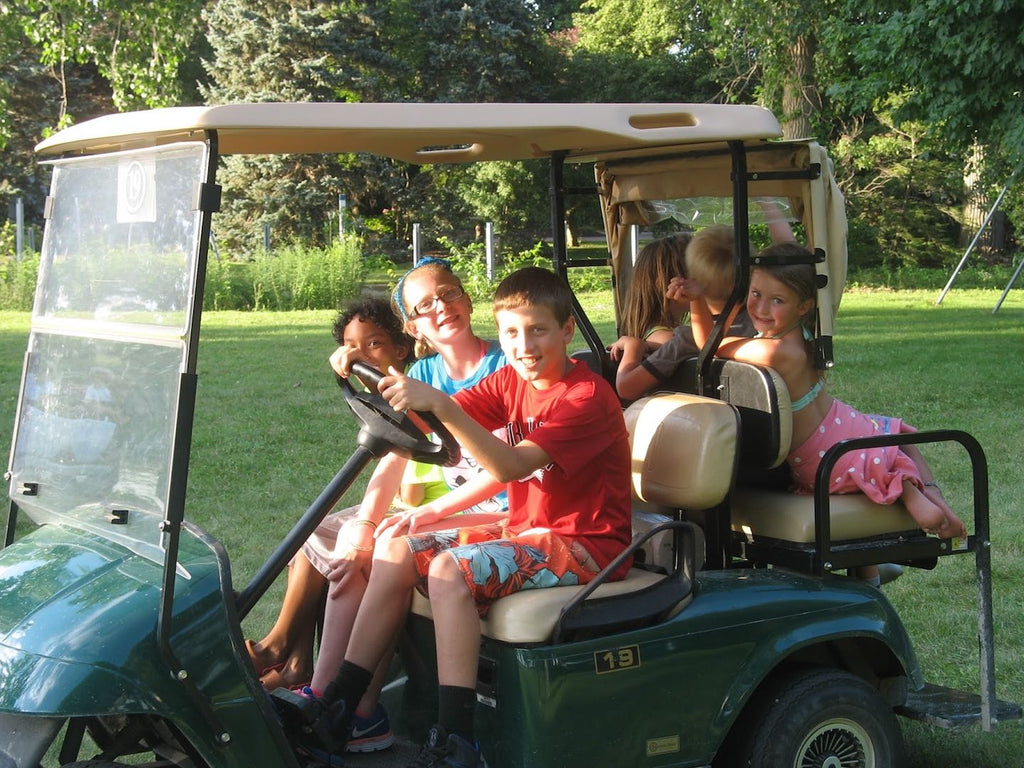
Image Source: cdn.shopify.com
A Comprehensive Look at Golf Cart Laws for Young Drivers
Golf carts are handy. Many people use them in neighborhoods. They are good for short trips. Kids often want to drive them. But golf carts are vehicles. Like cars, they have rules. These rules protect everyone. Knowing these rules is very important. This is especially true for young drivers. We will look at the laws. We will also talk about safety. This guide will help you understand if a 13-year-old can drive a golf cart. It will also explain where and when they might.
The Core Question: Can a 13-Year-Old Drive?
Many families own golf carts. They use them for fun. They use them for quick errands. A common question is about kids driving them. Can a 13-year-old take the wheel? The simple answer is often no. Most places treat golf carts like cars on public roads. This means a driver’s license is needed. A 13-year-old cannot get a driver’s license. This makes legal driving on streets almost impossible for them.
However, rules can change. They change based on location. They change based on the type of road. We will break down these differences. This will help you know the real limits. It will help you keep everyone safe.
Navigating State-Specific Regulations
Every state has its own traffic laws. These laws include rules for golf carts. What is allowed in one state might be against the law in another. This is key for state golf cart laws age neighborhood. Some states are strict. They always need a driver’s license. Other states might be more flexible. They might have special rules for golf cart use.
Examples of State Approaches:
- States Requiring a Driver’s License: Many states fall into this group. They see golf carts as motor vehicles on public roads. So, anyone driving them needs a valid driver’s license. This means a 13-year-old cannot drive. This includes places like Florida, California, and Arizona. In these states, the
legal age to drive golf cart neighborhood streetis usually 16. This is the age to get a driver’s license. - States with Special Provisions: A few states might allow younger drivers. But there are often big limits. For example, some states might let a 14 or 15-year-old drive with a learner’s permit. An adult must be with them. This is rare for golf carts. It is more common for cars. Always check specific state rules. A
13 year old golf cart permitis not common. If it exists, it would be a special local rule. - States with Limited Public Road Access: Some states make it very hard to use golf carts on public roads. They only allow them on specific streets. These streets must have low speed limits. They might need special signs. Even then, a license is usually a must.
It is very important to check your state’s Department of Motor Vehicles (DMV) website. This is where you find the exact golf cart age restrictions residential for your area. These laws can change. So, always get the newest information.
Local Rules: When Neighborhoods Set Their Own Pace
State laws are a starting point. But cities and counties can add more rules. These are called local ordinances. They can be very important. They can change neighborhood golf cart regulations age. A city might say no golf carts on any street. Or they might say only on streets with a 25 mph speed limit.
Defining a “Neighborhood Street”:
What is a neighborhood street? It is a public road within a living area. It is not a highway. It is not a main road. But it is still public. This means state and local traffic laws apply. This is different from private roads inside gated communities. We will talk about those next.
Common Local Rules:
- Speed Limits: Many cities set speed limits for golf carts. Often, it’s 20-25 mph.
- Safety Gear: Some cities require seat belts. They might need headlights, taillights, or turn signals. These are for carts used on public roads.
- Registration: Some cities might ask you to register your golf cart. This is like registering a car.
- Permits: A city might ask for a special permit to drive a golf cart. This is different from a driver’s license. But it usually still requires a driver to be of age.
Always check with your city hall or local police department. They can give you the most accurate local golf cart rules. These rules directly affect teenager golf cart laws neighborhood. They tell you if underage golf cart operation neighborhood is allowed.
Private Property vs. Public Roads: Key Distinctions
This is a big difference. The rules are much different.
Private Property Rules:
- Your Own Land: If you own a big piece of land, a 13-year-old can often drive a golf cart there. This includes a very large yard or a farm. These are not public roads. So, standard traffic laws do not apply. But safety is still very important.
Child driving golf cart rules private propertyare usually set by the property owner. They should make rules for safe driving. - Gated Communities and Private Subdivisions: Many neighborhoods are gated. They have private roads. These roads are not owned by the city or state. The homeowner’s association (HOA) owns them. Or the developer owns them. These communities set their own rules. They might allow younger drivers. They might say a 13-year-old can drive. But an adult must be with them. Or they might say only licensed drivers. You need to check the HOA rules very carefully. They are specific to that community.
- Golf Courses: On a golf course itself, a 13-year-old might drive a golf cart. But usually, an adult must be present. And the driving is for the game of golf. It is not general transportation.
Public Road Rules:
- City Streets: These are roads owned by the city or county. They are open to everyone. State and local traffic laws apply. This means a driver’s license is almost always needed. So, a 13-year-old generally cannot drive here.
- State Roads: These are major roads. Golf carts are almost never allowed on state roads. They are too slow. They are not built for highway speeds.
The type of road is very important. It tells you which laws apply. This distinction is vital for golf cart driving laws for minors.
The Importance of a Valid Driver’s License
A standard driver’s license is key for driving on public roads. Golf carts, when used on public roads, are often treated like cars. This means the driver needs to meet the same age and license requirements.
- Age Limits: In most states, you must be 16 to get a driver’s license. Some states have learner’s permits at 15 or 14. But even with a permit, strict rules apply. These often include an adult in the car. Golf carts do not always fit these rules well.
- No Driver’s License, No Public Road Driving: This is the general rule of thumb. If a 13-year-old does not have a driver’s license, they should not be driving a golf cart on public roads. This protects the child. It also protects other people. It prevents legal problems for parents.
Special Permits and Training Opportunities
Some places have special rules. They might allow certain permits.
- Golf Cart Specific Permits: A few places might offer a special permit for golf cart use. This is separate from a car driver’s license. It is very rare. If it exists, it is usually for older teens (14 or 15). It often requires a safety course. It also usually applies only to certain, low-speed roads. A
13 year old golf cart permitis highly unlikely to be available. - Safety Courses: Even if a permit is not needed, safety courses are a good idea. They teach young drivers about:
- Traffic signs and signals.
- Right-of-way rules.
- Safe driving practices.
- The dangers of speeding or distracted driving.
These courses are good for all young drivers. They help kids be more careful.
Always check local resources for any available permits or courses. Your local police department or community center might have information.
The Risks of Underage Golf Cart Operation
Allowing a 13-year-old to drive a golf cart without legal permission is risky. It is risky for the child. It is risky for others. It can lead to serious problems.
Common Hazards for Young Drivers:
- Lack of Driving Experience: Driving a golf cart is not the same as riding a bike. It needs skill. It needs judgment. A 13-year-old has little to no driving experience. They might not know how to steer well. They might not know how to stop quickly.
- Poor Judgment: Young teens might not see dangers well. They might take risks. They might not understand traffic flow. They might not react fast enough to sudden problems.
- Distraction: Like adults, teens can get distracted. Phones, friends, or music can take their focus off driving.
- Limited Awareness of Traffic Laws: A 13-year-old has not studied traffic laws. They might not know about stop signs. They might not know about yielding. This makes them a danger on public roads.
- Golf Cart Limitations: Golf carts are not cars. They are slower. They might not have seatbelts or airbags. They are more likely to tip over in a sharp turn. They are not designed for public road safety.
- Accidents: These risks can lead to accidents. Accidents can cause injuries. They can even cause deaths. The injuries can be serious. They can involve broken bones or head injuries.
It is vital to think about these risks. It is important to put safety first. This is especially true for underage golf cart operation neighborhood.
Parental Accountability and Legal Repercussions
Parents hold a big responsibility. If a child drives illegally, parents can face problems. This is known as parental liability golf cart neighborhood.
Civil Liability:
- Injury to Others: If your child causes an accident, someone else might get hurt. That person can sue you. They can ask for money for medical bills. They can ask for money for lost wages.
- Property Damage: If your child hits a car or house, you might have to pay for repairs.
- Negligent Entrustment: This is a serious legal term. It means you let someone drive who should not have. If you let your 13-year-old drive a golf cart illegally, you could be blamed. This can happen even if you were not there. You could be found negligent. This means you did not act as a responsible parent would.
Criminal Liability:
- Traffic Violations: If your child gets a ticket, you might have to pay the fine. The violation might go on their record.
- Serious Charges: In very serious accidents, parents could face criminal charges. This is rare but possible. It depends on the state and the details of the accident. For example, if a child driving drunk causes a death, parents could be charged. But this is extreme.
It is always better to follow the law. It protects your child. It protects your family from legal trouble.
Insurance Considerations for Golf Carts
Many people do not think about golf cart insurance. But it is very important.
- Homeowner’s Insurance: Your homeowner’s policy might cover some golf cart use. This is usually only on your property. Or it might cover very limited use off property. It likely does not cover golf cart use on public roads. It probably does not cover accidents with an unlicensed driver.
- Dedicated Golf Cart Insurance: You can buy separate insurance for your golf cart. This is wise if you use it often. It is especially wise if you use it off your property. This policy can cover:
- Damage to your golf cart.
- Medical costs for injuries to others.
- Damage to other people’s property.
- Unlicensed Driver Clause: Check your insurance policy. Most policies do not cover accidents if the driver is unlicensed. Or if they are too young. This means you could be fully responsible for costs.
Do not assume your golf cart is covered. Talk to your insurance agent. Make sure you have the right coverage. This is especially true if you let anyone drive it. It is even more critical if it is a minor.
Best Practices for Young Golf Cart Riders
Even if a 13-year-old cannot drive legally, they can still ride safely. And if they are allowed to drive on private property, rules are vital.
General Safety Rules for Golf Cart Use:
- Always Supervise (for minors): If a child is driving, an adult must be there. The adult must be able to take control if needed.
- No More Riders Than Seats: Do not overload the cart. Overloading makes it unstable. People can fall off.
- Keep Hands and Feet Inside: Everyone should keep their body parts inside the cart. This stops injuries from hitting things.
- Stay Seated: Do not stand up in a moving golf cart. Do not ride on the back platform.
- Drive Slowly and Carefully: Do not speed. Do not turn too sharply. Golf carts can tip easily.
- Follow Traffic Rules (Even on Private Property): Use stop signs. Yield to others. Drive on the right side. Pretend it is a public road. This helps teach good habits.
- Use Lights: If the cart has lights, use them. Especially at dawn, dusk, or night.
- No Distractions: No phones. No loud music. Keep focus on driving.
- No Impaired Driving: Never drive a golf cart after drinking alcohol or taking drugs. This applies to adults and older teens.
- Regular Maintenance: Make sure the brakes work. Check tires. Make sure the steering is good. A well-kept cart is safer.
Supervision Guidelines:
If a 13-year-old is allowed to drive on private property, strict adult supervision is a must.
* The adult should be in the cart with the child.
* The adult should be actively paying attention.
* The adult should step in immediately if unsafe driving happens.
* The adult should teach the child good driving habits.
These rules help keep everyone safe. They also teach young people to be responsible.
What to Do If Rules Are Unclear
Sometimes, the rules are hard to find. Or they seem confusing. Here is what to do:
- Call Your Local Police Department (Non-Emergency Line): They know the local laws. They can tell you about
golf cart age restrictions residentialandlegal age to drive golf cart neighborhood street. - Check Your City or County Website: Look for “ordinances” or “traffic laws.”
- Contact Your Homeowner’s Association (HOA): If you live in a gated community, the HOA has rules. Ask them directly about
neighborhood golf cart regulations age. - Visit Your State’s DMV Website: Look for sections on “low-speed vehicles” or “golf carts.” This will give you statewide
state golf cart laws age neighborhood. - Talk to a Lawyer: If you are still unsure, or if there is a legal issue, talk to a lawyer. They can explain complex laws.
It is always better to be safe. It is always better to know the rules. Do not guess.
Looking Ahead: The Future of Golf Cart Use
Golf carts are becoming more popular. More people use them for daily transport. As this happens, laws might change. Some areas might create more golf cart friendly roads. They might make new rules for young drivers. But safety will always be the most important thing.
- New Technologies: Golf carts are getting better. They have more safety features. They are getting faster. These changes might lead to new laws.
- Community Planning: Some new communities are planned with golf carts in mind. They have special paths. They have clear rules for golf cart use. These communities might be different.
- Education: As golf carts become more common, educating drivers will be key. This means teaching young people about safe driving. It means teaching adults about their duties.
The goal is to let people enjoy golf carts. But it is also to keep everyone safe. This means following the rules. It means acting with care. It means teaching young drivers well.
Frequently Asked Questions (FAQ)
Q1: Can a 13-year-old drive a golf cart on a sidewalk?
A1: No. Golf carts are generally not allowed on sidewalks. Sidewalks are for pedestrians. Driving a golf cart on a sidewalk is usually against the law. It is also very dangerous for people walking.
Q2: Does a golf cart need to be insured if I only drive it on private property?
A2: It is a good idea to check your homeowner’s insurance policy. It might offer some limited coverage. But a dedicated golf cart policy is often better. It gives more protection. It is smart to have insurance. Even on private land, accidents can happen.
Q3: Are there any states where a 13-year-old can get a special license or permit for a golf cart?
A3: It is very rare for a 13-year-old to get any type of driving permit. Most permits, if they exist for golf carts, are for ages 14 or 15. They often require a safety course. They also limit where the cart can be driven. Always check specific state and local laws.
Q4: What are the penalties if a 13-year-old is caught driving a golf cart illegally?
A4: Penalties can vary. The child might get a ticket. Parents might have to pay a fine. The golf cart might be impounded. In serious cases, parents could face legal charges. These charges could be for allowing illegal activity. The exact penalty depends on the local and state laws. It also depends on if there was an accident or injury.
Q5: Is it safer for a 13-year-old to drive an electric golf cart compared to a gas one?
A5: The type of engine (electric or gas) does not change the safety risk. Both types of golf carts can cause accidents. The main risks are speed, driver inexperience, and lack of safety features. The legal age limits are the same for both types.
Q6: Can a 13-year-old drive a golf cart if an adult is sitting next to them?
A6: On public roads, usually no. If a driver’s license is required, the adult being present does not change the rule. The child still does not have a license. On private property or in some gated communities, this might be allowed. But it depends on the specific rules of that private area. Always check first.
Q7: My neighborhood has many golf carts. Does that mean it’s okay for my 13-year-old to drive one?
A7: No, not necessarily. Just because many people do it does not make it legal or safe. Some neighborhoods might have lax enforcement. But rules still apply. It is better to check the specific laws. Do not assume it is okay based on what others do.