
How Much Does It Cost To Build A Golf Course Factors
Building a golf course is a big dream for many. But what is the real price tag? How much does it cost to build a golf course? The cost to build a golf course can range from $1 million for a very basic, short course to over $20 million for a top-tier, 18-hole championship course. This wide range shows how many things affect the final bill. When you look at the golf course construction budget, you find many moving parts. The average golf course development expense covers a lot of ground, from buying land to planting grass. This guide will break down the true costs.
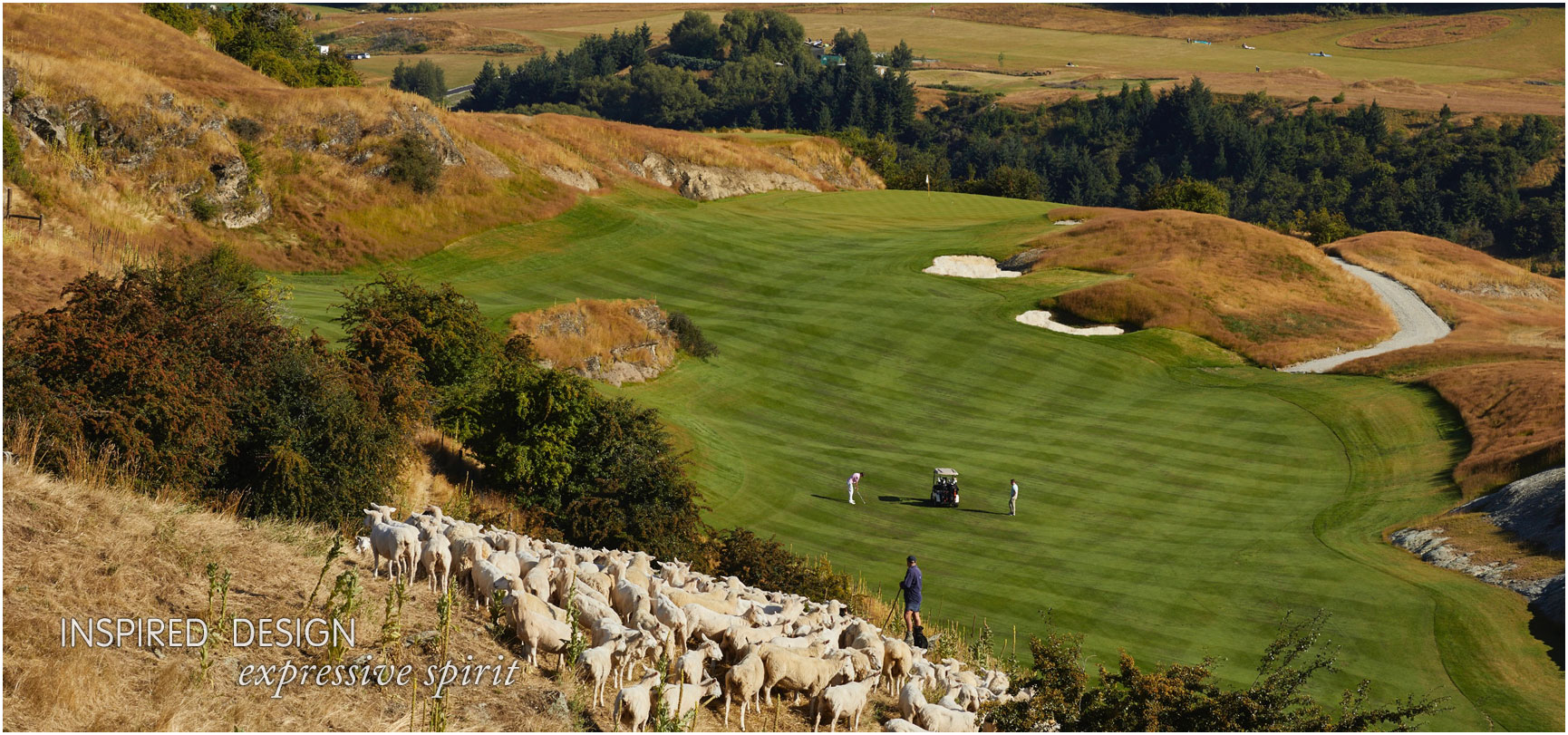
Image Source: www.scottmacphersongolfdesign.com
Deciphering the Total Golf Course Building Cost
Building a golf course means adding up many different costs. It is not just about the green grass. It is about all the parts that make a course work. To see the full picture, we need a clear golf course building cost breakdown. This helps you plan your project and money.
Core Components of a Golf Course Building Cost Breakdown
Many parts make up the total price. Each part has its own costs. We will look at these parts in detail.
Land Acquisition – The Foundation Expense
The first big step is buying the land. The cost of land for golf course varies greatly. This is often the largest single cost.
- Location Matters: Land in or near big cities costs much more. Land far from cities can be cheaper.
- Size Needs: An 18-hole course needs a lot of space. Think 150 to 200 acres. More land means more money.
- Existing Features: If the land has trees, rocks, or hills, it may need more work. This adds to the cost. Flat land is often easier.
- Water Access: Land with good water access costs less to develop for irrigation. Land without water needs wells or pipes. This costs more.
Land costs can range from $10,000 to $100,000 per acre or more. So, for 150 acres, land could be $1.5 million to $15 million. This makes it clear that the cost of land for golf course is a huge part of your budget.
Design and Planning – The Blueprint Costs
You need a plan before you dig. This is where golf course design and construction costs come in. This includes paying experts.
- Golf Course Architect Fees: A good architect designs the course. They plan each hole. They make sure the course is fun and safe. Their fees can be 5% to 15% of the total construction cost. For a $10 million project, this might be $500,000 to $1.5 million.
- Engineers and Consultants: You need civil engineers. They plan roads, drainage, and utilities. Environmental experts check the land. They make sure you follow rules.
- Permits and Approvals: You need permits from local and state groups. These permits can be costly. They also take time.
- Surveys and Studies: You need to know about the soil and water. Geologists check the ground. Hydrologists look at water flow. These studies prevent problems later.
Good planning saves money in the long run. It stops costly mistakes.
Earthwork and Shaping – The Groundwork
Moving earth is a big part of building a golf course. Golf course earthwork expenses are a major budget item. This includes:
- Clearing the Land: Removing trees, rocks, and brush. This can be a lot of work.
- Grading and Shaping: Moving tons of dirt. This makes the hills, valleys, and greens. It creates the shape of the course. This needs heavy machines.
- Drainage Systems: Making sure water flows away from playing areas. This keeps the course dry. It needs pipes and drains. Poor drainage means wet, unplayable golf.
- Bunker Construction: Digging and shaping sand traps.
- Pond and Lake Creation: Digging out areas for water features. These add beauty and challenge.
Earthwork costs depend on the land. Flat land is cheaper to work with. Hilly land needs more shaping. Rocky land needs rock blasting. This is very costly. Earthwork can be $1 million to $5 million or more for a full 18-hole course.
Turfgrass and Landscaping – The Green Surface
Once the earth is shaped, it’s time for the grass. This makes the course green and playable.
- Grass Selection: Different types of grass cost different amounts. Some grass needs less water. Some handles cold better.
- Planting: You can seed the grass or lay sod. Sod is faster but costs more. Seeding takes longer to grow.
- Trees and Shrubs: Adding trees and plants makes the course beautiful. They also define holes. This adds to the cost.
- Fertilizer and Soil Prep: The ground needs good soil. It needs nutrients for the grass to grow well.
The type of grass and how much landscaping you do changes this cost. High-end courses use premium grasses and many trees.
Irrigation Systems – Vital Water Flow
A golf course needs a lot of water. A good irrigation system is key. The golf course irrigation system cost is significant.
- System Type: You can use a basic system or a smart one. Smart systems use less water. They cost more upfront.
- Piping and Sprinklers: Many miles of pipes run under the course. Thousands of sprinkler heads water the grass.
- Pumps and Controls: Large pumps move the water. Computer controls turn sprinklers on and off. They can be set to water specific areas.
- Water Source: Is water available easily? Or do you need to dig wells? Or pipe water from far away? This impacts costs.
A modern, efficient irrigation system can cost from $500,000 to over $2 million. This is a must-have for a healthy course.
Infrastructure and Facilities – Beyond the Greens
A golf course is more than just holes. It needs buildings and ways to get around.
- Clubhouse: This is the main building. It can be small and simple or large and fancy. It often has a pro shop, restaurant, locker rooms, and offices. A high-end clubhouse can cost millions.
- Maintenance Buildings: You need a place to store equipment. Tractors, mowers, and tools need shelter. This building also needs repair bays.
- Cart Paths: Golf carts need paved paths. These can be asphalt or concrete. They make it easier for players to get around.
- Parking Lots: Players need a place to park their cars.
- Roads and Utilities: You need roads to get to the clubhouse and other areas. You also need water, sewer, and electricity lines.
These facilities add a lot to the total price. The size and quality of these buildings change the cost a lot.
Additional Essential Costs
There are other costs that add up. These are important for a smooth project.
- Contingency Funds: Always set aside extra money. Things can go wrong. Problems can arise. A typical contingency is 10-20% of the total budget. This covers unexpected issues.
- Permits and Fees: Beyond land permits, there are building permits. There are also fees for water and sewer hookups.
- Insurance: You need insurance during construction. This protects against accidents or damage.
- Marketing and Pre-Opening Operations: You need to tell people about the course. You need staff before opening day. This includes hiring and training.
These extra costs can be a few hundred thousand dollars to over a million. Do not forget them.
Varying Prices: From Budget to Luxury
The price to develop 18-hole golf course changes a lot based on your goals. Do you want a simple local course or a world-class resort course?
- Budget-Friendly Course: This course aims for lower costs. It might use land that needs less work. It might have fewer features. It uses simpler materials.
- Cost: $1 million to $5 million.
- Mid-Range Course: This is a good quality course. It has nice features. It uses good materials. It offers a solid golf experience.
- Cost: $5 million to $15 million.
- High-End or Championship Course: This course aims for luxury. It uses the best land. It has famous architects. It has top-quality grass and facilities.
- Cost: $15 million to $30 million or more.
Here is a simple table showing how costs might break down for different types of 18-hole courses:
| Cost Category | Budget Course (Approx.) | Mid-Range Course (Approx.) | High-End Course (Approx.) |
|---|---|---|---|
| Land Acquisition (150-200 acres) | $1.5M – $3M | $3M – $8M | $8M – $15M |
| Design & Planning | $100K – $300K | $300K – $1M | $1M – $2.5M |
| Earthwork & Shaping | $1M – $2M | $2M – $4M | $4M – $8M |
| Turfgrass & Landscaping | $500K – $1M | $1M – $2M | $2M – $4M |
| Irrigation System | $500K – $800K | $800K – $1.5M | $1.5M – $2.5M |
| Infrastructure & Facilities | $500K – $1.5M | $1.5M – $5M | $5M – $10M |
| Contingency & Other | $400K – $1.4M | $1M – $3M | $2M – $5M |
| TOTAL ESTIMATE | $4.5M – $11.7M | $9.6M – $24.5M | $24.5M – $47M+ |
Note: These are rough estimates. Actual costs can vary greatly.
Factors Influencing Your Golf Course Construction Budget
Many things can change the final price. Knowing these factors helps you control your golf course construction budget.
- Location:
- Land Price: As noted, land is a huge factor.
- Labor Costs: Some areas have higher labor wages. This adds to construction costs.
- Material Costs: Materials can cost more in some regions due to shipping or local supply.
- Terrain and Soil Conditions:
- Flat Land: Cheaper to build on. Less earthwork needed.
- Hilly or Mountainous Land: More shaping, more earth movement. Can be costly.
- Rocky Land: Rock removal is very expensive. It needs special machines.
- Wetland or Poor Soil: Needs special drainage or soil treatment. This adds costs.
- Course Length and Complexity:
- 18-hole vs. 9-hole or Par-3: An 18-hole course needs more land and more work. A smaller course costs less.
- Championship vs. Casual Play: Championship courses are longer. They have more challenging features. They use higher quality materials. This means higher costs.
- Number of Bunkers, Water Features: More of these means more design and build work.
- Quality of Materials and Finishes:
- Grass Type: High-quality grasses cost more to buy and maintain.
- Irrigation System: Advanced systems cost more but save water over time.
- Clubhouse Materials: Marble floors cost more than simple tiles. High-end fixtures add to the price.
- Environmental Regulations:
- Rules protect wetlands, animal habitats, and water quality. Following these rules can add time and money. You might need special plans.
- Access to Water:
- Courses need a lot of water for irrigation. If water is not nearby, you need to bring it in. This means wells, pipelines, or water rights. This adds significant costs.
- Labor Costs:
- The cost of skilled and unskilled workers varies by region. Labor makes up a big part of the overall cost.
- Project Management:
- Good project managers keep things on track. They ensure the work stays on budget and on time. Poor management can lead to costly delays.
Funding Your Vision: New Golf Course Project Financing
Building a golf course needs a lot of money. How do you get it? New golf course project financing is a key part of the plan.
- Private Investors: Rich people or groups might invest. They look for a return on their money. This means you need a strong business plan.
- Bank Loans: Banks can lend money. They need to see a solid plan. They look at your credit and how well the course might do.
- Equity Partners: You might team up with another company or person. They put in money for a share of the ownership.
- Government Grants: Some areas offer grants for tourism or land development. These are rare for full golf courses but worth checking.
- Pre-Sales: Sometimes, people buy memberships or homes around the course before it is built. This can give you early money.
You need a detailed business plan. It must show how the course will make money. It must show how you will pay back loans. This plan helps get the needed funds.
Saving Money on Golf Course Development
Building a golf course is expensive. But there are ways to lower the costs.
- Choose Land Wisely:
- Look for land that is naturally good for golf.
- Find land with fewer trees or rocks.
- Pick land that has natural slopes that can be used.
- Land with existing water sources is better.
- Phased Development:
- Build the course in steps. Maybe open 9 holes first. Then add the other 9 holes later. This spreads out the cost.
- Build a simple clubhouse at first. Upgrade it when you have more money.
- Smart Design Choices:
- Work closely with your architect. Design the course to fit the land. This cuts down on earthwork.
- Use natural features to define holes. This saves on planting and shaping.
- Design for easier maintenance. This saves money later.
- Use Local Materials:
- Buy sand, soil, and plants from nearby. This saves on transport costs.
- Efficient Project Management:
- Hire good managers. They keep the project on schedule. They ensure materials are used well. This stops wasted money and time.
- Consider a Par-3 or Executive Course:
- These are shorter courses. They need less land. They cost much less to build. They can still make money.
- Second-Hand Equipment:
- You might find good used maintenance equipment. This can save a lot of money.
Even with saving money, it is still a large project. Careful planning is key.
Conclusion
Building a golf course is a complex and costly task. The golf course construction budget is made of many parts. It includes the cost of land for golf course, high golf course architect fees, and large golf course earthwork expenses. You also have the golf course design and construction costs, and the big golf course irrigation system cost. The final price to develop 18-hole golf course changes a lot based on your choices. It can be from $1 million to over $20 million.
No matter the budget, a well-planned new golf course project financing strategy is vital. Careful choices about land, design, and materials can help manage costs. While it is a big investment, a successful golf course can bring joy to many players. It can also be a strong business. By understanding all the factors, you can make your golf course dream a reality.
Frequently Asked Questions (FAQ)
Q: How much does it cost to build a par 3 golf course?
A: A par 3 golf course is shorter. It uses less land. It needs fewer holes. This makes it much cheaper to build. A par 3 course might cost from $200,000 to $1 million or more. This depends on its size, features, and quality.
Q: What is the cheapest way to build a golf course?
A: The cheapest way is to start small. Build a par 3 course. Choose land that needs little work. Use simple designs. Use local materials. Do some of the work yourself if you can. Focus on basic needs first. Add more features later.
Q: How long does it take to build a golf course?
A: Building a golf course takes time. It depends on the size and complexity. Small projects might take 1-2 years. A full 18-hole course can take 2-4 years. This includes planning, permits, construction, and grow-in time for the grass.
Q: What are the ongoing costs of a golf course?
A: After building, a golf course still has costs. These include:
* Maintenance: Watering, mowing, fertilizing, pest control. This is a big part.
* Staff: Greenkeepers, pro shop staff, clubhouse staff.
* Utilities: Water, electricity, gas.
* Insurance: Property and liability insurance.
* Repairs: Fixing paths, equipment, or buildings.
* Marketing: Getting new players.
These ongoing costs can be $500,000 to over $2 million per year.