
Can You Play Golf After A Hip Replacement? Yes; Here’s How!
Yes, you can play golf after a hip replacement. Many people successfully return to the game they love. But, it takes time and effort. You need to follow a careful golf recovery timeline hip replacement. You must also work closely with your doctor and a physical therapist. They will guide you safely back to the course. This guide will show you how to hit the links again with confidence.
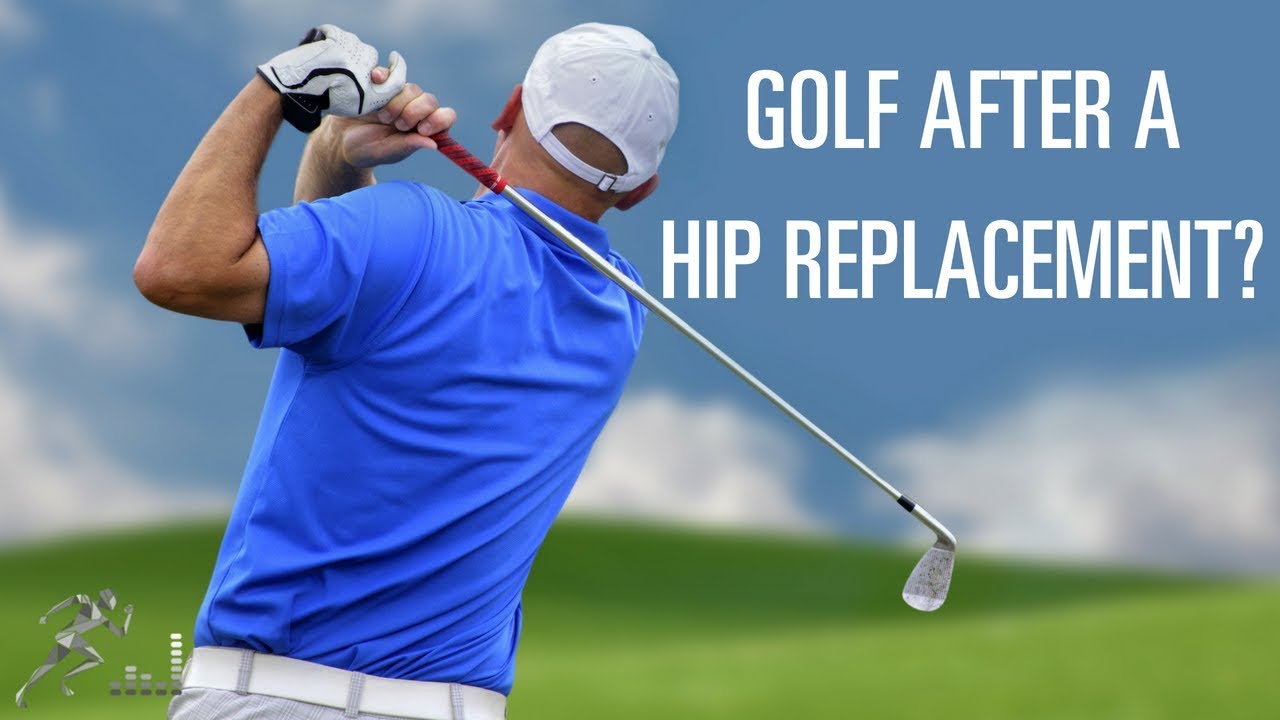
Image Source: i.ytimg.com
The Journey Back to the Green: Your Golf Recovery Timeline Hip Replacement
Getting back to golf after hip surgery is a journey. It does not happen overnight. Your body needs time to heal. Your new hip needs to become strong. Rushing things can cause problems. It can lead to pain or even re-injury. Here is a general timeline to help you plan. Remember, everyone heals differently. Always listen to your doctor.
First Days: Hospital and Early Home Care (Days 1-7)
- Move gently: You will start walking very soon after surgery. This often happens with help from a nurse or therapist.
- Learn new rules: You will learn how to protect your new hip. This means no bending too far. It means no twisting too much.
- Start exercises: Simple exercises will begin. These help blood flow. They keep your muscles from getting weak.
Weeks 1-6: Healing and Basic Movement
- Walk more: You will walk more each day. You might use crutches or a walker at first.
- Home exercises: Keep doing your simple exercises. They build strength and help your hip move.
- Physical therapy starts: Most people begin outpatient physical therapy. A therapist helps you with specific exercises. They focus on hip strength and range of motion.
- Daily tasks: You will get better at normal daily tasks. Things like getting dressed or walking up stairs become easier.
- No golf yet: Do not even think about golf swings. Your hip is still healing.
Months 2-4: Building Strength and Stability
- Move freely: You will start to feel much more normal. You will move with less pain.
- Advanced exercises: Your physical therapy will get harder. You will do exercises that build more strength. These help your hip become stable.
- Balance work: Good balance is key for golf. Your therapist will help you improve it.
- Light activity: You might do light walking or swimming. Avoid quick turns or heavy lifting.
- Thinking about golf: You can start to imagine playing. But still no golf. Your doctor might clear you for gentle, short walks on flat ground.
Months 4-6: Preparing for Sport
- Specific training: This is when you start exercises that look more like golf.
- Rotation work: You will do gentle rotation exercises. These are important for a golf swing. But be very careful.
- Putting and chipping: Some doctors might let you do gentle putting. You might do very light chipping. Use only one arm at first. Do not twist your body.
- No full swing: A full golf swing still puts too much stress on your hip.
Month 6 and Beyond: Safe Return to Golf After THR
- Doctor’s clearance: You must get a clear “yes” from your doctor. This is the most important step. They will check your hip. They will see how strong you are.
- Gradual return: Do not play a full 18 holes right away. Start with short game. Then move to half swings. Slowly work up to full swings.
- Listen to your body: If you feel pain, stop. Rest. Talk to your doctor.
This timeline is a guide. Your own recovery may be faster or slower. Patience is your best friend during this time.
Navigating the Course: Risks of Playing Golf Post Hip Replacement
Playing golf after a hip replacement is possible. But it comes with some risks. Knowing these risks helps you avoid them. Your main goal is to protect your new hip.
Key Risks to Watch Out For:
- Hip Dislocation: This is when the ball of your new hip comes out of its socket. It is more common in the first few months after surgery. A golf swing involves twisting. This twisting can increase the risk if done too soon or too forcefully.
- Pain and Inflammation: Even with a good recovery, new stress can cause pain. Your muscles might get tired. Your hip joint might swell.
- Falls: Golf courses have uneven ground. There are hills, sand traps, and wet spots. A fall can hurt your new hip or other parts of your body.
- Stress on the Joint: A full golf swing puts a lot of force through your hip. This stress can wear down your new joint over time. It can also cause problems with the bone around the implant.
How to Lower the Risks:
- Follow doctor’s advice golf after hip replacement: Your surgeon knows your specific case. They know when you are ready. They will tell you what movements to avoid.
- Go slow: Do not rush your return. Start with simple activities. Build up slowly.
- Proper warm-up: Always warm up your body before playing. This makes your muscles ready.
- Modify your swing: Change your golf swing to reduce stress on your hip. More on this later.
- Use a cart: Consider using a golf cart. This saves energy. It reduces walking on uneven ground.
- Stay hydrated: Drink water. This keeps your muscles working well.
- Listen to your body: If something hurts, stop. Do not try to play through pain.
By being smart and careful, you can enjoy golf with fewer risks.
Optimizing Your Game: Modifying Golf Swing Hip Replacement
A traditional golf swing involves a lot of hip rotation. It also has a big turn of the body. For someone with a new hip, this can be risky. You need to change your swing. This makes it safer and more comfortable. The goal is to take stress off your hip. You want to use your core and legs more.
Key Changes for Your Golf Swing:
-
Reduce Backswing Rotation:
- Old way: A long, full backswing with a lot of hip turn.
- New way: Shorten your backswing. Do not turn your hips as much. Focus on turning your shoulders. Think about keeping your trail hip (right hip for right-handed golfers) less rotated.
- Why: Less rotation means less twisting force on your new hip.
-
Open Your Stance:
- Old way: Square stance, feet parallel to the target line.
- New way: Open your stance slightly. This means your lead foot (left foot for right-handed golfers) is pulled back a little. It points slightly toward the target.
- Why: An open stance makes it easier to turn through the ball. It reduces the need for extreme hip rotation on the follow-through.
-
Widen Your Stance (Slightly):
- Old way: Shoulder-width stance.
- New way: Make your stance a little wider. This helps with balance. It also reduces the need for a big weight shift.
- Why: Better balance protects you from falls. It also makes your swing more stable.
-
Focus on Core and Legs:
- Old way: Power comes from a big hip turn.
- New way: Use your core muscles more. Drive power from your legs and glutes. Imagine pushing off the ground.
- Why: This takes pressure off your hip joint. It uses other strong muscles.
-
Finish Shorter and More Upright:
- Old way: A full, balanced finish with hips facing the target.
- New way: A shorter, more controlled finish. Do not twist as far. Keep your chest facing down the fairway. Do not try to fully rotate your hips.
- Why: This prevents putting too much twist on your hip at the end of the swing.
-
Use Easier Shots:
- Old way: Try to hit every shot hard.
- New way: Play smarter. Use bump-and-run shots. Use chip shots more often. Use less powerful clubs.
- Why: Less powerful swings mean less stress on your hip.
Table: Traditional vs. Modified Golf Swing
| Feature | Traditional Golf Swing | Modified Golf Swing (Post-Hip Replacement) |
|---|---|---|
| Hip Rotation | Full, deep rotation in backswing & follow-through | Reduced rotation, especially in backswing |
| Stance | Square or slightly closed | Slightly open stance, lead foot pulled back |
| Backswing | Long, full arc | Shorter, more controlled arc |
| Power Source | Significant hip torque | More reliance on core, legs, and shoulder turn |
| Follow-Through | Full, often with hips pointed at target | Shorter, more upright, less hip rotation |
| Weight Shift | Significant shift to trail leg then lead | More stable, less extreme weight shift |
| Risk of Injury | Higher if hip is not healed or protected | Lower due to reduced strain on the hip |
Golfing After Anterior Hip Replacement:
If you had an anterior hip replacement, your recovery might be a little different. This surgery goes through the front. It often does not cut as many muscles. This can sometimes mean less strict rules on movement. You might feel more flexible sooner. However, even with an anterior approach, twisting is still a risk. You still need to follow your doctor’s advice. You still need to ease back into golf. Do not assume you can go back to your old swing right away.
It is a good idea to work with a golf pro who understands physical limits. They can help you change your swing safely.
Strengthening Your Foundation: Physical Therapy for Golfers Hip Surgery
Physical therapy (PT) is crucial for a safe return to golf. Your therapist is a key partner in your recovery. They will give you specific exercises to prepare for golf after hip surgery. These exercises build strength, flexibility, and balance. These are all vital for a safe golf swing.
How Physical Therapy Helps:
- Pain Control: Therapists use methods to reduce pain and swelling.
- Restoring Movement: They help you get back full range of motion in your hip.
- Building Strength: They give you exercises to make your hip muscles strong. This includes your glutes, quads, and hamstrings.
- Core Stability: A strong core protects your hip. It helps you swing well. Your therapist will focus on exercises for your abs and back.
- Balance Training: Golf needs good balance. You will do exercises to improve how steady you are on your feet.
- Movement Re-education: They teach you safe ways to move. This includes how to bend, twist, and shift weight without hurting your hip.
- Sport-Specific Drills: As you get better, your therapist might have you do drills that copy golf movements. These are done in a safe, controlled way.
Key Exercises to Prepare for Golf After Hip Surgery:
Here are some types of exercises you might do in physical therapy. Always do these under the guidance of your therapist.
- Hip Abduction/Adduction:
- Why: Strengthens muscles that move your leg sideways. Important for stability during the swing.
- How: Lying on your side, lift your top leg straight up. Or use resistance bands.
- Glute Bridges:
- Why: Strengthens your glutes (butt muscles). These are major power muscles for golf.
- How: Lie on your back, knees bent. Lift your hips off the ground.
- Clamshells:
- Why: Strengthens outer hip muscles. These help stabilize your hip.
- How: Lie on your side, knees bent. Keep feet together. Lift your top knee like a clamshell opening.
- Squats (Modified):
- Why: Builds leg and glute strength. Learn to squat without bending your hip too much.
- How: Stand with feet shoulder-width apart. Lower hips as if sitting in a chair. Keep back straight. Do not go too deep.
- Lunges (Controlled):
- Why: Improves leg strength and balance.
- How: Step forward with one leg. Bend both knees to 90 degrees. Keep front knee behind toes.
- Core Planks:
- Why: Builds core strength.
- How: Hold your body in a straight line, supported on forearms and toes.
- Standing Balance Exercises:
- Why: Essential for stability during the golf swing.
- How: Stand on one leg. Start with holding onto a wall. Progress to standing without support.
- Rotational Exercises (Gentle):
- Why: Prepares your body for the turning motion of golf.
- How: Start with seated rotation. Progress to standing rotation with a light stick across your shoulders. Keep hips relatively stable.
Your physical therapist will tailor a plan just for you. They will ensure you are ready for the demands of golf.
Gear Up for Success: Best Golf Clubs for Hip Replacement Patients
Your golf equipment can make a difference. Using the right clubs can reduce stress on your hip. They can make your game more enjoyable. You want clubs that are easy to swing. You want clubs that are forgiving.
Key Features to Look For:
- Lighter Clubs:
- Why: Lighter clubs need less effort to swing. This means less strain on your hip, back, and shoulders.
- What to look for: Clubs made with lighter materials like graphite shafts. Many modern drivers and woods are already light.
- Flexible Shafts:
- Why: A more flexible shaft (like a “senior flex” or “light flex”) helps the club do more work. It creates more clubhead speed with less effort from you.
- What to look for: Look for “L” (ladies), “A” (senior), or “R” (regular) flex shafts. Avoid stiff or extra stiff shafts.
- Hybrid Clubs:
- Why: Hybrids are a mix of irons and woods. They are easier to hit than long irons. They get the ball in the air with less power. This can reduce the need for a big, powerful swing.
- What to look for: Replace your 3, 4, or 5 irons with hybrids.
- Wider Soles on Irons:
- Why: Irons with wider soles (bottom part) glide through the turf better. This makes mishits less punishing. It also helps prevent digging into the ground, which can jar your hip.
- What to look for: “Game improvement” irons often have wider soles.
- Larger Grips:
- Why: Larger grips can reduce grip pressure. This helps if you have arthritis in your hands. It also helps you relax your arms and shoulders, which can take strain off your hip.
- What to look for: “Midsize” or “Jumbo” grips.
- Chipper Clubs:
- Why: A chipper is like a putter with more loft. It makes short shots around the green easier. You can use a putting-like stroke. This avoids a full chipping motion that twists your body.
- What to look for: A specific chipper club or a high-lofted hybrid.
Consider a Club Fitting:
The best way to get the right clubs is to get a professional club fitting. Tell the fitter about your hip replacement. They can recommend clubs that fit your new swing and physical needs. They can also adjust lie angles or shaft lengths if needed. This can make a big difference in comfort and performance.
On the Course: Walking vs Cart Golf Hip Replacement
Deciding whether to walk or ride in a cart is an important choice after hip replacement surgery. Both have pros and cons. Your doctor’s advice and how you feel will guide your decision.
Walking Golf Post-Hip Replacement:
- Pros:
- Exercise: Walking is great exercise. It helps with overall fitness.
- Blood Flow: Keeps blood moving, which is good for healing.
- Nature: Many people enjoy walking outdoors.
- Cons:
- Fatigue: Walking 18 holes (often 4-6 miles) can be very tiring.
- Uneven Ground: Golf courses have hills, slopes, and rough terrain. This can be hard on a new hip. It also increases the risk of falls.
- Strain: Carrying a bag or pushing a trolley can add strain to your hip and back.
- Time: Walking takes longer than riding.
Cart Golf Post-Hip Replacement:
- Pros:
- Reduced Strain: Takes all the walking effort off your hip.
- Less Fatigue: You will be less tired. This means more energy for your swing.
- Safety: Reduces the risk of falls on uneven ground.
- Speed: Makes the round faster.
- Cons:
- Less Exercise: You miss out on the walking exercise.
- Getting In/Out: Getting in and out of the cart can sometimes be a bit awkward. Make sure you do it carefully.
Recommendations:
- Start with a cart: In the early stages of returning to golf, always use a cart. This is the safest and least stressful option.
- Consider a push cart: If you want to walk later, use a push cart (trolley) instead of carrying your bag. This puts less stress on your body.
- Walk nine holes: If you feel strong, try walking only nine holes at first. See how your hip feels.
- Listen to your body: If your hip starts to ache or feel tired, get back in the cart. Do not push through pain.
- Talk to your doctor: Discuss your walking vs. riding plans with your surgeon. They can give you specific advice based on your recovery.
Many people choose to use a cart even years after surgery. It allows them to play more rounds with less pain. It helps them enjoy the game longer.
Frequently Asked Questions (FAQ)
Q1: How long after hip replacement can I start putting?
A1: Most doctors allow gentle putting around 4-6 months after surgery. This is because putting needs very little body turn. Always get your doctor’s okay first.
Q2: Can I play golf with a total hip replacement forever?
A2: Many people play golf for many years after a hip replacement. But, no joint replacement lasts forever. Playing golf might put more stress on the joint. This could lead to it wearing out sooner. Talking to your doctor about your activity level is important.
Q3: What if I feel pain during or after golf?
A3: If you feel pain, stop playing. Rest. Apply ice if needed. If the pain continues or is severe, call your doctor. Pain is a sign that something is wrong.
Q4: Do I need a special doctor or golf pro?
A4: Yes, working with a physical therapist who understands golf is great. Also, a golf pro who knows about physical limits can help you change your swing. Your surgeon is the main guide for when you can play.
Q5: Are there any specific movements I should avoid on the golf course?
A5: Avoid sudden twists or quick turns. Do not bend too far down. Do not squat deep to pick up a ball. Use a ball retriever. Always move slowly and with control. Avoid shots that require you to dig the club deeply into the ground.
Q6: Should I warm up before playing golf?
A6: Yes, a good warm-up is vital. Do gentle stretches. Walk a bit. Do some easy practice swings. This prepares your muscles and joint. It lowers the risk of injury.
Q7: Can I resume practicing at the driving range before playing a full round?
A7: Yes, practicing at the driving range is a good first step. Start with short irons. Do half swings. Do not hit many balls at once. Build up slowly. This lets you practice your modified swing without the pressure of a full game.
Q8: What kind of shoes are best for golfing after hip surgery?
A8: Wear stable golf shoes with good support. Spikeless shoes might be more comfortable. They can also reduce the risk of your foot getting caught during a swing, which could cause a twist.
Returning to golf after a hip replacement is a big goal for many. It is absolutely possible. But it needs patience, smart choices, and good medical guidance. By following the golf recovery timeline hip replacement, listening to your doctor’s advice golf after hip replacement, and making smart changes like modifying golf swing hip replacement, you can enjoy the game again. Remember to get help from physical therapy for golfers hip surgery. Think about the risks of playing golf post hip replacement. Choose the best golf clubs for hip replacement patients. Decide carefully on walking vs cart golf hip replacement. With care and planning, you can look forward to many more rounds on the green.