
Hitting the golf ball ‘fat’ happens when your club digs into the ground behind the ball, sending a weak, often short, shot that feels like a chunk. It’s a common problem, frustrating golfers of all skill levels. This guide will help you learn what causes this issue and give you simple steps and drills to fix it, leading to better contact and more consistent shots. You’ll discover how to improve your impact position and stop hitting behind the ball golf.
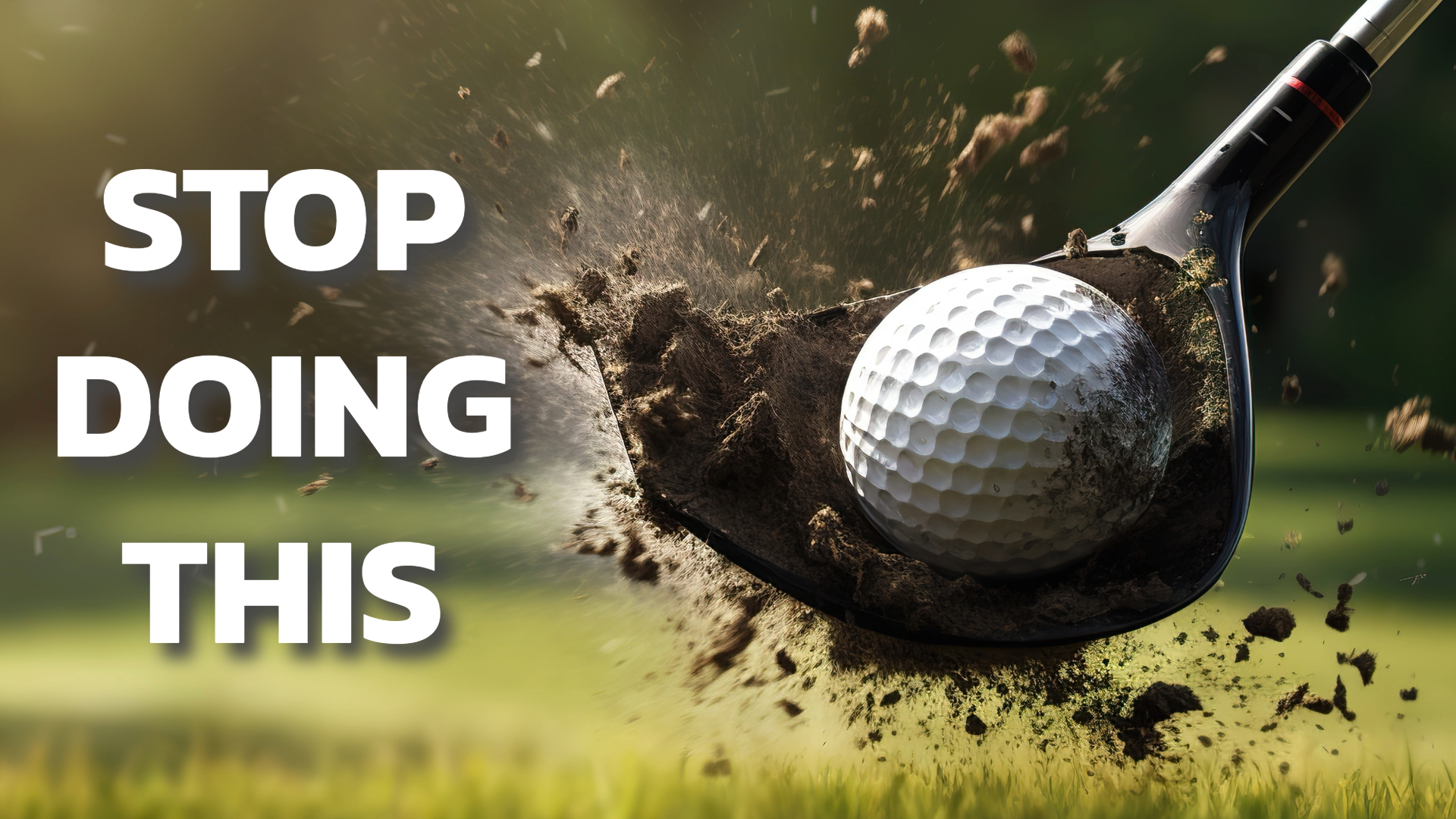
Image Source: www.performancegolf.com
What Hitting the Ball Fat Means
When you hit a golf shot fat, your club head hits the ground before it hits the ball. The ground slows the club way down. This takes away a lot of the power meant for the ball. The ball does not go far. It might go nowhere. Or it might fly with no spin. It feels bad in your hands. It often leaves a big divot behind where the ball was. This is also called hitting it chunky. Curing chunky golf shots is a key goal for many golfers.
Hitting fat is the opposite of hitting it thin. A thin shot hits the top half of the ball. A fat shot hits the ground first. Good golf needs hitting the ball first. Then you take a small, shallow divot after the ball.
Decoding the Causes of Hitting Golf Fat
Many things can make you hit the ground first. It’s often a mix of issues in your swing. Figuring out the main cause for you is the first step to fixing fat golf shots.
Here are some common reasons:
Shifting Your Body the Wrong Way
Your body needs to move in a certain way during the swing. If you move the wrong way, the bottom of your swing arc changes.
- Falling Back: At impact, your body weight should be mostly on your front foot (the left foot for right-handed players). If your weight stays back on your trail foot (right foot) or moves back during the downswing, the low point of your swing stays behind the ball. This makes the club hit the ground there. This is a major cause of hitting behind the ball golf.
- Sliding Forward Too Much: Moving your hips too far towards the target without turning can also cause issues. This can make your upper body lean back. This again keeps the swing’s low point behind the ball.
- Standing Up: If you lift your body up during the downswing, you change your angle to the ground. This can move the swing’s low point back.
Your Angle Into the Ball is Wrong
How steep or shallow your swing path is matters a lot.
- Steep Swing: A steep golf swing comes down too sharply on the ball. Imagine chopping wood. The club is coming straight down. If you’re steep, it’s easy for the club to dig into the ground before the ball. This is a common reason for divots behind ball golf. A steep golf swing fix often involves learning to shallow the club.
- Not Shallowing Enough: As you start the downswing, the club should ideally drop slightly inside the line it took on the way up. This is called shallowing golf swing. It creates a better angle for hitting the ball first. If you don’t shallow, the club stays steep and comes down like a hammer.
Setup Problems
How you stand to the ball before you swing can cause fat shots before you even start.
- Ball Position: Where you place the ball in your stance is key. For irons, the ball should be roughly in the middle or slightly forward of center. If the ball is too far back in your stance, your club might reach the bottom of its swing arc behind the ball.
- Weight at Setup: If you start with too much weight on your trail foot (right foot for righties), it’s harder to shift it forward during the swing. This can encourage falling back or staying centered, leading to fat shots.
- Posture: Bending too much from your hips or standing too close or too far from the ball changes your swing plane and angle to the ground. Poor posture can make it harder to maintain your balance and angle through the swing.
Breaking Down Your Wrists Too Soon (Casting)
Casting happens when you lose the angle in your wrists too early in the downswing. Think of it like throwing a fishing line. You release the rod tip early. In golf, this uses up the power too soon. It also causes the club head to reach its lowest point behind the ball. This is a big reason for hitting behind the ball golf.
Swapping Your Weight
This is related to falling back. It means that instead of shifting weight to your front foot in the downswing, you shift it back to your trail foot. Your body weight moves away from the target. This easily moves the bottom of your swing behind the ball. Proper weight transfer golf swing is essential to fix this.
Grappling with the Fixes: Curing Chunky Golf Shots
Now that we know why you might be hitting it fat, let’s look at how to fix it. Curing chunky golf shots takes practice and focus on a few key areas:
Mastering Weight Transfer Golf Swing
Correct weight transfer is vital for solid contact.
- The Backswing: As you take the club back, your weight should shift naturally to your trail foot. It’s not a huge sway, but a noticeable pressure shift. Aim for about 60-70% of your weight on your trail foot at the top of the backswing.
- The Downswing: This is where many golfers go wrong. As you start down, the first move should be a shift of weight back towards the target. Think of starting the downswing from the ground up. Your lead knee or hip starts to move towards the target while your upper body stays back for a moment. By impact, about 80-90% of your weight should be on your lead foot.
-
The Follow-Through: Your weight should finish entirely on your lead side, balanced and facing the target.
-
Simple Rule: Backswing = Weight back. Downswing/Impact = Weight forward.
Shallowing Golf Swing Path
Getting rid of a steep golf swing is crucial for hitting the ball first.
- The Steep Problem: A steep swing often comes from using your upper body too much at the start of the downswing. You throw the club out and down.
-
The Shallow Solution: As you start the downswing, try to feel like the club drops down behind you slightly. Imagine pulling a chain towards the target with the butt end of the club, rather than throwing the club head at the ball. Your hands should lead the club head into impact. This creates a shallower angle of attack.
-
Feeling the Shallow: At the top of your backswing, feel your lead hip start to turn open towards the target before your arms and club drop down. This helps create space for the club to shallow.
Honing Your Impact Position
The moment of impact is when it all comes together. Improving your impact position is key to solid shots.
- What Proper Impact Looks Like:
- Weight is mostly on your lead foot (about 80-90%).
- Your lead hip is open towards the target.
- Your hands are slightly ahead of the ball. This is called having ‘shaft lean’. It helps ensure you hit the ball first.
- Your lead wrist is flat, not cupped or bowed.
- Your body is rotated towards the target.
-
Common Fat Impact: Weight is back, hands are behind or even with the ball, lead wrist is cupped, body is stalled or leaning back.
-
Goal: At impact, you want to be leaning slightly towards the target (like a capital ‘K’ shape). This puts the low point of your swing after the ball.
Adjusting Your Setup
Small changes at address can make a big difference.
- Ball Position: Double-check your ball position for irons. It should be center or just slightly forward of center. Placing it too far back is a common cause of hitting behind the ball golf.
- Weight Distribution: At address, aim for even weight distribution (50/50). Some instructors even suggest starting with slightly more weight on your lead side (maybe 55/45) for irons to encourage the correct weight shift forward.
- Posture Check: Ensure you’re bent from your hips, not your waist. Let your arms hang naturally. Stand an athletic distance from the ball – not too close, not too far.
Fixing the Early Wrist Release (Casting)
Stopping the early release is crucial for power and avoiding fat shots.
- The Problem: Releasing your wrists too early loses lag. Lag is the angle between your lead arm and the club shaft. More lag means more speed at impact. Losing it early dumps the club head into the ground.
-
The Fix: Feel like you are maintaining the angle in your wrists as long as possible in the downswing. Imagine your hands staying ahead of the club head as you move towards impact. Your hands should reach the ball first, followed closely by the club head.
-
Think: Don’t throw the club at the ball. Pull the club through the ball with your hands leading.
Actionable Drills: Golf Drills to Stop Hitting Fat
Practice is essential. These golf drills to stop hitting fat can help you feel the correct movements. Do these at the driving range or even at home without a ball.
Drill 1: The Towel Drill
- What it Fixes: Hitting behind the ball golf, fat shots, poor low point control.
- How to Do It:
- Place a small towel or headcover about 6-8 inches behind your golf ball.
- Set up to the ball as normal.
- Your goal is to hit the ball cleanly without touching the towel.
- Why it Works: This drill forces you to move the low point of your swing forward, after the ball. If you hit the towel, you know your low point is too far back. It gives you instant feedback. Start with half swings and work up to full swings.
Drill 2: The Forward Press or Setup Weight Drill
- What it Fixes: Helps with weight transfer golf swing, ensures weight is forward at impact.
- How to Do It (Setup Version):
- At address, consciously place slightly more weight on your lead foot (maybe 60%).
- Keep that feeling as you take your backswing and through impact.
- How to Do It (Forward Press Version):
- At address, before starting your backswing, gently press your hands and club forward towards the target. This shifts your weight slightly forward.
- Then start your backswing as normal, keeping that forward feel.
- Why it Works: These methods help precondition your body to get weight onto your lead side early in the swing and keep it there through impact. It fights the tendency to fall back.
Drill 3: The L-to-L Drill
- What it Fixes: Helps with shallowing golf swing, improves wrist hinge control, promotes hands leading the club.
- How to Do It:
- Make swings that go only halfway back and halfway through.
- In the backswing, stop when your lead arm is parallel to the ground and the club shaft makes an ‘L’ shape with your arm (due to wrist hinge).
- Swing through, hitting the ball, and stop when your trail arm is parallel to the ground and the club shaft makes an ‘L’ shape with your arm on the other side.
- Focus on feeling your hands stay ahead of the club head through the hitting area. The club head should catch up and pass your hands after impact.
- Why it Works: This drill simplifies the swing, making it easier to focus on key positions. It teaches you to maintain wrist hinge and release it correctly through the ball, not before it. This helps prevent casting and encourages a shallower path.
Drill 4: The Hold the Finish Drill
- What it Fixes: Improves weight transfer golf swing, ensures full rotation, checks balance.
- How to Do It:
- Hit a shot.
- Hold your finishing pose for 3-5 seconds.
- You should be balanced, facing the target, with almost all your weight on your lead foot and your trail foot up on its toe.
- Why it Works: If you hit it fat, you often lose balance or fall back. Trying to hold the finish forces you to complete your weight transfer and rotation. If you can’t hold the finish, you know you need to work on these areas.
Drill 5: The Split-Hand Drill
- What it Fixes: Helps feel shaft lean at impact, improves impact position.
- How to Do It:
- Take your normal grip with your lead hand (left hand for righties).
- Move your trail hand (right hand) down the grip about 6-12 inches.
- Hit slow, controlled shots or make practice swings like this.
- Why it Works: This grip makes it difficult to flip or cast the club. It naturally encourages your hands to stay ahead of the club head through impact, promoting the correct shaft lean needed to hit the ball first and then the ground.
Drill 6: The “Whoosh” Drill
- What it Fixes: Helps with shallowing golf swing, encourages lag, improves club head speed timing.
- How to Do It:
- Take your normal grip.
- Make practice swings without a ball.
- Focus on making the “whoosh” sound of the club head happen after the point where the ball would be, towards your target.
- Why it Works: If you are casting or hitting fat, the whoosh sound happens too early, often before or right at the ball position. Making the sound occur past the intended impact point teaches you to release the club head speed later, through the ball. This is a feeling needed for proper impact and curing chunky golf shots.
Drill 7: The Feet Together Drill
- What it Fixes: Promotes balance, center of rotation, and helps feel correct low point.
- How to Do It:
- Stand with your feet together.
- Hit slow, controlled shots (maybe half swings or three-quarter swings) from this stance.
- Why it Works: With your feet together, it’s much harder to sway or shift your weight incorrectly. It forces you to rotate around your center and control the low point of your swing better. This helps you find a more consistent bottom to your swing arc.
The Mental Game: Trust and Patience
Fixing a fat shot isn’t just about physical changes. Your mind plays a role too.
- Fear of Thin Shots: Sometimes, trying not to hit it thin causes you to hit it fat. You might unconsciously try to help the ball up by leaning back or flipping your wrists.
- Trust Your Swing: Once you work on the technical points and drills, you need to trust the process. Focus on making a good swing with proper weight transfer and rotation, rather than focusing on hitting the ball hard or lifting it up.
- Patience: Changing a swing habit takes time. You won’t fix it overnight. Be patient with yourself. Celebrate small wins. Keep practicing the drills.
Common Pitfalls When Fixing Fat Shots
- Trying Too Much at Once: Don’t try to fix everything in one swing. Focus on one feeling or one change at a time (e.g., just weight transfer, or just feeling the hands lead).
- Looking Up Early: Lifting your head to see where the ball goes can change your body angle and lead to fat shots. Keep your head down or looking at the spot where the ball was for a moment after impact.
- Giving Up: It’s easy to get frustrated. Fat shots are annoying. Stick with the drills and the process. Consistency is key.
- Ignoring the Setup: Remember that problems can start before you even swing. Always check your ball position, posture, and initial weight distribution.
Interpreting Your Divots
Your divot tells a story about your swing.
- Fat Divot: A fat shot leaves a deep, often large, divot before the ball. Divots behind ball golf are the classic sign of a fat shot.
- Thin or No Divot: A thin shot might leave no divot or a very shallow one way ahead of the ball.
- Good Divot: A good iron shot takes a shallow, narrow divot after the ball. This means you hit the ball first, then took a thin slice of turf.
Learning to read your divots gives you feedback on your swing path and low point control. If you see divots behind ball golf, you know you are hitting fat. If you see them after the ball, you are doing well.
Comprehensive Review of Key Elements
Let’s quickly summarize the main areas to focus on for curing chunky golf shots and improving golf impact position:
- Weight Transfer: Get weight onto your lead foot by impact. Fight falling back.
- Swing Path: Shallow the club on the downswing. Avoid a steep golf swing.
- Impact Position: Hands ahead of the ball, weight forward, body rotating.
- Setup: Correct ball position, balanced or slightly forward weight at address, good posture.
- Wrist Action: Don’t cast or release wrists too early. Maintain lag.
These points work together. Improve one, and it often helps with others. For example, better weight transfer makes it easier to shallow the club and get your hands ahead.
Crafting Your Practice Plan
To make real progress, structure your practice time.
- Identify Your Main Cause: Based on how you hit the ball, your divots, or even recording your swing, try to figure out the biggest reason you hit it fat. Is it weight transfer? Steepness? Setup?
- Choose Relevant Drills: Select 1-2 drills that directly address your main issue (e.g., Towel Drill for low point, Forward Press for weight, L-to-L for casting/shallowing).
- Start Slow: Begin with practice swings or very slow, small shots. Focus only on the feeling of the drill. Don’t worry about distance or direction at first.
- Increase Speed Gradually: As you get comfortable with the feeling, slowly increase your swing speed and range of motion.
- Hit Balls: Once you can do the drill feeling with practice swings, try hitting balls. Keep the focus on the feeling of the drill. Don’t judge the result too harshly yet.
- Combine and Refine: As you get better, you can try combining feelings (e.g., feeling weight forward and hands leading).
- On-Course Play: When you play, don’t think about all the mechanics. Pick one simple swing thought related to your fix (e.g., “weight forward”) and trust it.
Consistency in practice is more important than how long each session is. Short, focused practice is often best. Even just 15-20 minutes practicing a drill can help.
Interpreting How Your Body Feels
Pay attention to what your body is doing.
- Falling Back: Feels like your weight is stuck on your trail side at impact. Your finish might be off balance, or you might lean back.
- Steep Swing: Feels like you’re coming over the top or chopping down at the ball.
- Casting/Early Release: Feels like you lose power before hitting the ball. Your wrists might feel weak or like they unhinged too early.
- Proper Impact: Feels solid. The club hits the ball cleanly. You feel your weight over your lead foot. The club goes through the ball smoothly.
Feeling these different actions in your body is crucial for knowing if you are making progress. Fixing fat golf shots is about changing these feelings.
The Role of Equipment (Minor)
While swing mechanics are the main cause, sometimes equipment can play a minor role in divots behind ball golf.
- Lie Angle: If the lie angle of your irons is too upright, the toe of the club can sit up at address and dig into the ground more easily, especially if you’re also swinging steeply or falling back. Getting your clubs checked by a pro is a good idea, but fix your swing first.
- Bounce on Wedges: Wedges have ‘bounce’, which is the angle on the sole that helps the club glide through sand or turf. If you have very low bounce wedges and a steep swing, they might dig more easily. This is less common with irons, but worth knowing.
Again, focus on swing mechanics first. Equipment is usually not the primary reason for consistent fat shots.
Frequently Asked Questions (FAQ)
Q: Why do I only hit irons fat, but not my driver?
A: With a driver, the ball is on a tee. You are trying to hit slightly up on the ball. With irons, the ball is on the ground, and you are trying to hit slightly down on the ball (hitting the ball first, then taking a divot). A swing path or weight shift issue that causes you to hit the ground behind the ball with an iron might just result in a slightly high or mishit tee shot with a driver, rather than a fat one, because the tee lifts the ball.
Q: Does hitting from different lies affect fat shots?
A: Yes. Hitting from a tight lie (bare ground) makes fat shots more punishing and harder to recover from. Hitting from thick rough or soft ground can sometimes make fat shots less obvious (the club can slide through better), but the underlying swing issue is still there. Practice on different lies if possible.
Q: Can a poor grip cause me to hit fat?
A: Yes. While less direct than weight shift or swing path, a poor grip can make it harder to control the clubface and club path. It can also make it harder to feel the correct wrist hinge and release. Check your grip to ensure it’s neutral and secure.
Q: How quickly can I fix hitting fat?
A: It depends on the cause and how much you practice. For some, a simple setup change makes a big difference quickly. For others, changing a deep-seated swing habit like a steep swing or falling back can take weeks or months of focused practice. Be patient and consistent.
Q: Should I focus on hitting down on the ball more?
A: Not necessarily. Hitting down on the ball is required for irons, but how you hit down matters. Hitting down too steeply (a steep golf swing) or hitting down too early (by releasing the club too soon) causes fat shots. Focus on hitting the ball first and letting the club’s natural arc take the divot after. This feels more like hitting through the ball and ground, rather than at the ball or down at the ball.
Bringing It All Together
Hitting the golf ball fat is a common issue, but it’s fixable. It usually comes down to problems with your weight transfer, the angle the club comes into the ball, or your setup. By understanding these causes, practicing the right golf drills to stop hitting fat, and being patient, you can learn to improve golf impact position, achieve proper weight transfer golf swing, and stop hitting behind the ball golf. Focus on feeling the club shallowing golf swing on the way down and getting your weight forward. You’ll be hitting clean, solid shots in no time, curing chunky golf shots for good. Keep practicing, stay positive, and enjoy the feeling of flushing it!