
Playing golf can burn a surprising number of calories, making it a good way to stay active. Just how many calories you burn depends a lot on how you play, mainly whether you walk the course or ride in a cart. People often ask, “How many calories in a round of golf?” or “How many calories burned golf 18 holes walking?” While numbers vary for each person, walking an 18-hole round can burn roughly 800 to 1500 calories or even more.
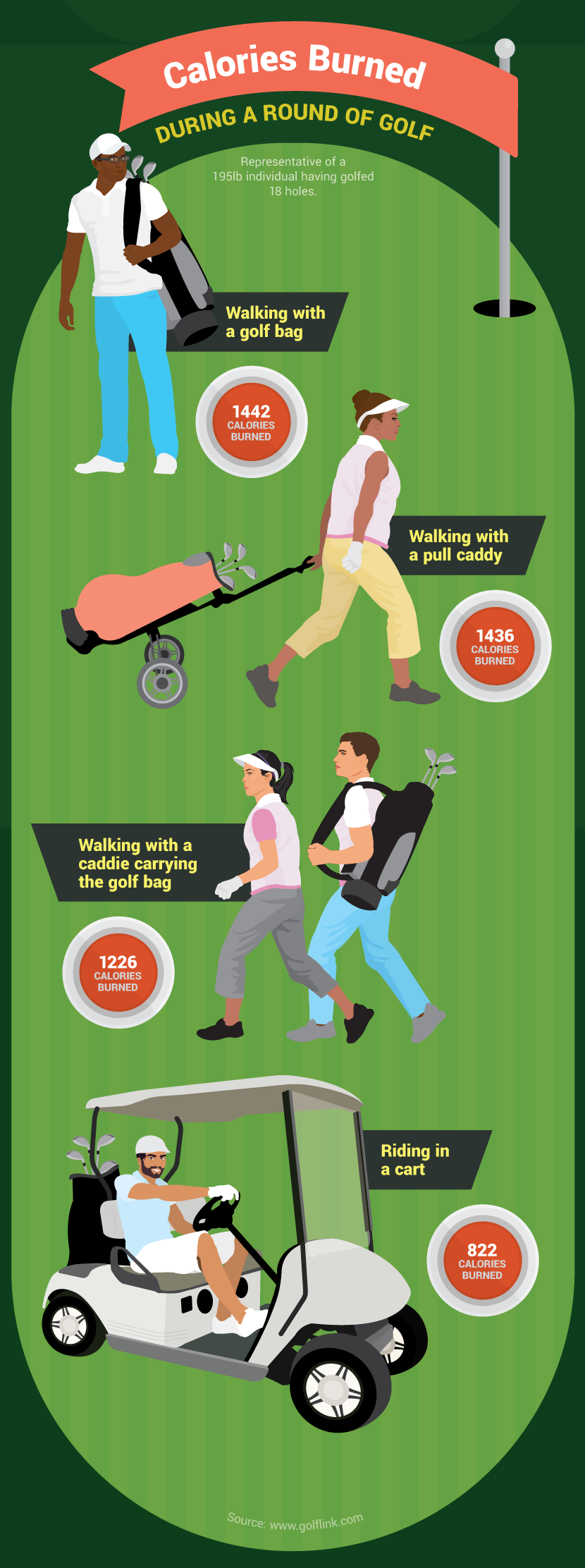
Image Source: fixcom-g4bhetdmcgd9b7er.z01.azurefd.net
Composing Energy Use on the Golf Course
Every time you move, your body uses energy. We measure this energy in calories. When you play golf, you are using energy for many things. You walk. You swing the club. You carry your bag or push a cart. All these actions add up to your total golf calorie expenditure.
Playing golf is not like running a marathon, but it does keep your body moving for several hours. This steady activity is good for your health and helps you burn calories.
Decoding Calories Burned Walking 18 Holes
Let’s look closely at playing a full 18 holes and walking the whole way. This is where you burn the most calories.
When you walk 18 holes, you cover a lot of ground. A standard golf course is usually between 5,000 and 7,000 yards long. That’s about 3 to 4 miles just in fairways and greens. But you don’t just walk straight lines. You walk from the tee to your ball, maybe off into the rough, back onto the fairway, to the green, and then to the next tee box.
Think about all the extra steps:
* Walking to find a ball that is not in the middle of the fairway.
* Walking around hazards like sand traps or water.
* Walking up and down hills if the course is hilly.
* Walking from the green to the next tee.
* Walking to and from the clubhouse.
When you add all this up, walking 18 holes usually means walking about 5 to 7 miles. Some studies even show it can be 8 miles or more on longer or hillier courses.
Carrying your own golf bag adds more work. A golf bag with clubs, balls, tees, and other gear can weigh 20 to 30 pounds. Carrying this extra weight makes your muscles work harder. Pushing a pull cart (or push cart) is a bit easier than carrying, but it still adds effort compared to riding.
Let’s look at some estimates for calories burned golf 18 holes walking:
- Walking and Carrying Clubs: This is the most demanding way to play. You are moving your body over miles while also lifting and carrying weight. This can burn roughly 1000 to 1500 calories or even more for a larger person or on a hilly course.
- Walking and Pushing/Pulling a Cart: This is still great exercise. You walk the same distance, but you are not carrying the weight on your back. This might burn around 800 to 1200 calories.
These numbers are just guesses. The real number for you will depend on several things, which we will talk about soon. But you can see that walking a round of golf is a good workout.
Golf Cart vs Walking Calorie Burn: A Clear Contrast
This is a big difference maker in how many calories you burn playing golf. Riding in a golf cart saves you from walking miles. Most of your movement is just getting in and out of the cart and walking a short distance to your ball or on the green.
Comparing golf cart vs walking calorie burn shows how much impact the walking has.
- Riding in a Cart: When you ride, your calorie burn comes mostly from swinging the club, walking on greens, and short walks to and from the cart. You might walk less than 1 mile in total during a round. Riding in a cart burns significantly fewer calories than walking. Estimates are usually around 400 to 800 calories for 18 holes. This is still more than sitting on the couch, but much less than walking.
Look at the difference: Walking can burn twice as many, or even three times as many, calories as riding in a cart.
| Activity | Estimated Calories Burned (18 Holes) |
|---|---|
| Walking and Carrying Bag | 1000 – 1500+ |
| Walking and Pushing Cart | 800 – 1200 |
| Riding in a Cart | 400 – 800 |
(Note: These are rough estimates for an average-sized person playing a typical course. Your actual burn will vary.)
If your main goal is to burn calories and get exercise, walking the course is the clear winner. If you ride a cart, you still get some physical activity from swinging and moving around, plus the mental benefits of playing.
Factors Influencing Golf Calorie Burn
It’s important to know that the number of calories burned isn’t the same for everyone, even if they play the same round. Several factors influencing golf calorie burn change the total.
How Much You Weigh
Heavier people burn more calories doing the same activity as lighter people. It takes more energy to move a heavier body. A 200-pound person walking a mile burns more calories than a 150-pound person walking the same mile.
The Terrain
Playing on a hilly golf course burns more calories than playing on a flat one. Walking uphill is harder work and uses more muscles, especially in your legs. More effort means more calories burned. Courses with deep rough or many bunkers that you have to walk in and out of can also increase the energy you use.
How Fast You Play
Walking faster between shots burns more calories per minute than walking slowly. While you shouldn’t rush so much you play poorly or bother others, keeping a steady, brisk pace adds to your golf exercise intensity and calorie burn.
Carrying Your Bag vs. Using a Cart
As we discussed, this is a major factor. Carrying adds weight and makes your body work harder. Pushing a cart adds some resistance but is less strenuous than carrying. Riding removes most of the walking effort.
Your Fitness Level
Someone who is not very fit might find walking a round harder than someone who is very fit. Their body might use more energy for the same amount of work because it’s less efficient. However, as fitness improves, the same activity might burn slightly fewer calories because the body becomes more efficient, but the person might be able to play more often or walk more rounds, leading to more overall activity.
The Weather
Playing in hot or humid weather makes your body work harder to stay cool. This can increase calorie burn slightly. Playing in cold weather can also increase calorie burn as your body works to stay warm. Wind can also add resistance when walking, especially if you are carrying a bag.
How Many Shots You Take
Believe it or not, how well you play can slightly affect calorie burn. If you hit the ball straight down the fairway, you walk a more direct path. If you hit it into the trees or rough, you might walk extra distance looking for it or getting back into position. Also, each swing uses a small amount of energy. More shots mean more swings, though the walking is the biggest factor.
Golf Steps and Calorie Burn
Focusing on golf steps and calorie burn is another way to think about the exercise you get. Many people track their daily steps with phones or fitness watches. A round of golf, especially walking, adds a huge number of steps to your day.
Walking 18 holes can easily mean taking 12,000 to 16,000 steps. For many people, this is more steps than they take in several days combined! A common goal for general health is 10,000 steps per day. Walking a round of golf helps you easily meet and often exceed this goal.
More steps mean more movement, and more movement means more calories burned. You can use online calculators or fitness apps that estimate calories burned based on your steps, weight, and the type of activity (like walking). While not perfectly accurate, they give you a good idea of the energy expenditure golf round provides through walking.
Table of Estimated Steps and Calories (for a 180 lb person)
| Activity Type | Estimated Steps (18 Holes) | Estimated Calorie Burn (18 Holes) |
|---|---|---|
| Walking & Carrying | 14,000 – 18,000 | 1200 – 1600 |
| Walking & Pushing | 12,000 – 16,000 | 900 – 1300 |
| Riding in Cart | 3,000 – 6,000 | 500 – 800 |
(Numbers are rough averages and vary widely based on course, pace, and individual.)
Reaching over 15,000 steps in one activity is great for your health. It helps your heart, strengthens your legs, and contributes to overall fitness.
Golf and Fitness: More Than Just Calories
Beyond burning calories, there are many health benefits of playing golf. It’s not just about weight or energy use. Golf is good for your whole body and mind.
Heart Health
Walking the course gets your heart rate up. It’s not usually a high-intensity workout like running, but it’s good moderate-intensity activity. Regular moderate exercise makes your heart stronger, improves blood flow, and can lower blood pressure and bad cholesterol. The consistent movement over several hours is excellent for cardiovascular health.
Muscle Strength and Tone
Walking strengthens your leg muscles. Carrying or pushing a bag works your arms, shoulders, and core. The golf swing itself uses many muscles in your core, back, shoulders, and arms. Doing this repeatedly helps build muscle strength and tone. While you won’t become a bodybuilder from golf, it contributes to functional strength needed for everyday life.
Flexibility and Balance
The golf swing requires flexibility, especially in your back and shoulders. Playing regularly can help maintain or improve your range of motion. Good balance is also key to a good swing and staying steady while walking on uneven ground.
Weight Management
By burning hundreds or even over a thousand calories per round, golf can be a useful part of a weight management plan. Combined with healthy eating, regular golf can help you maintain a healthy weight or lose weight. The golf and fitness connection is clear: more rounds walked equals more activity and calorie burn.
Stress Reduction
Being outside, getting fresh air, and focusing on the game can be a great way to reduce stress. The walking and physical activity also help release endorphins, which are natural mood boosters. Many golfers find the course a peaceful escape.
Social Connection
Playing golf with friends or family provides social interaction. Being connected to others is important for mental and emotional health.
Getting Vitamin D
Playing outdoors exposes you to sunlight, which helps your body make Vitamin D. Vitamin D is important for bone health and your immune system. (Remember to use sunscreen too!)
Grasping Golf Exercise Intensity
How hard is playing golf on your body? We can think about the golf exercise intensity. Compared to activities like running or playing basketball, golf is usually lower intensity. However, because a round lasts for several hours, the total energy expenditure golf round provides can be significant.
- Swinging: A golf swing is a burst of power, but it’s short. It uses muscles intensely for a moment.
- Walking: This is mostly low to moderate intensity, like a brisk walk. Your heart rate stays elevated for a long time, which is good for endurance.
- Carrying a Bag: This increases the intensity of the walking, making it more moderate or even bordering on vigorous for some people, especially on hills.
Think of it as a long, steady burn rather than a short, intense burst. It’s a good way to get consistent activity without putting extreme stress on your joints (compared to running). The low-impact nature of walking on grass is often easier on the body than walking on hard surfaces.
For someone who doesn’t exercise regularly, walking 18 holes can be a significant workout. For someone who is very fit, it might be a lower-intensity activity, but still contributes to their overall activity level.
The Total Energy Expenditure of a Golf Round
Let’s pull it all together to fathom the total energy expenditure golf round delivers. It’s more than just the walking.
- Walking/Riding: This is the biggest part of the calorie burn. Miles walked or not walked makes the most difference.
- Swinging: Each swing uses energy. You might take 80-100 swings or more (including practice swings) per round. While one swing isn’t much, they add up.
- Carrying/Pushing Equipment: Adds to the effort and calorie burn.
- Walking to the Cart: Small bits of movement add up.
- Walking on the Green: Reading putts, walking putts out.
- Looking for Balls: Extra steps in the rough or woods.
- Walking Uphill/Downhill: Uses more or less energy.
- Getting In and Out of Bunkers: Short bursts of effort.
- Mental Focus: Your brain uses energy too! Thinking about your shots, reading the green, staying focused.
So, when we talk about how many calories in a round of golf, we are talking about the sum of all these activities over 3-5 hours.
For someone who walks and carries, it’s like doing a long, moderate hike while carrying weight, with bursts of power (swings) mixed in.
For someone who rides, it’s more like taking a few short walks and doing some strength/power moves (swings) over a long period.
The take-away is that golf, especially walking, is a legitimate physical activity that contributes meaningfully to your daily or weekly calorie burn and overall health goals. It offers health benefits of playing golf that go far beyond just hitting a ball.
Golf as a Path to Better Fitness
Using golf as a way to improve golf and fitness is smart. If you want to get more active, playing golf regularly can help.
Tips to maximize the fitness benefits:
1. Walk the Course: This is the most important tip for calorie burning and overall fitness.
2. Carry Your Bag (if you can): This adds resistance training. Start with 9 holes if 18 is too much at first. Build up slowly.
3. Walk Between Shots: Don’t stand still waiting. Keep a gentle pace.
4. Walk the Course Even When Riding: If you must ride, walk as much as possible. Walk from the cart to the tee box, walk to your ball after hitting, walk the green, walk to the next tee box if it’s close. Every step helps.
5. Play More Often: Even playing 9 holes and walking is good exercise. Two 9-hole walking rounds might be easier to fit into a busy week than one 18-hole round, and both contribute to calorie burn.
6. Warm Up: Do some light stretching or walking before you play. This prepares your muscles and can help prevent injury.
7. Hydrate: Drink plenty of water, especially when walking. This is important for your health and helps your body perform well.
8. Walk to the Clubhouse: Park a little further away if possible and walk. Small changes add up.
Making golf a regular part of your routine means consistent physical activity. This helps maintain a healthy weight, improves heart health, and keeps your muscles working.
Interpreting Your Golf Activity Data
Many golfers now wear fitness trackers or smartwatches. These devices can give you estimates of golf steps and calorie burn during your round.
How these devices work:
* They use sensors to count your steps.
* They use your personal data (like weight, height, age) that you entered.
* They use heart rate data (if the watch has a heart rate monitor).
* They use algorithms to guess how many calories you burned based on your movement, steps, and heart rate.
Are these numbers perfectly accurate? No. They are estimates. Walking on grass is different than walking on a treadmill or pavement, and devices might not capture this perfectly. The effort of swinging or carrying a bag might also be estimated differently by different devices.
However, these trackers are great for showing you trends and comparisons. You can see how many more steps you take when you walk versus ride. You can see how a hilly course compares to a flat one. You can get a good idea of your golf calorie expenditure and how it changes based on how you play.
Use the numbers as a guide, not an exact science. If your watch says you burned 1200 calories walking 18 holes, you know it was a significant workout, even if the real number was 1000 or 1400. The main point is that you were active for several hours.
Comprehending Golf Calorie Expenditure Summary
So, what’s the final word on how many calories does playing golf burn? It’s a wide range because of the many factors involved.
- Riding in a cart: Roughly 400-800 calories per 18 holes. Still some activity, but limited.
- Walking and pushing/pulling a cart: Roughly 800-1200 calories per 18 holes. Solid moderate activity.
- Walking and carrying your bag: Roughly 1000-1500+ calories per 18 holes. Significant moderate-to-vigorous activity.
These numbers compare well to other popular activities done for a similar amount of time. For example:
* Hiking for 4 hours (moderate pace): 1200-1600 calories
* Playing tennis (singles, 2 hours): 1000-1400 calories
* Cycling (moderate pace, 2 hours): 800-1200 calories
A walking round of golf is definitely comparable to a decent hike or a long bike ride in terms of calorie burn. The energy expenditure golf round provides when walking is substantial.
The blend of walking, swinging, and being outdoors makes golf a unique and enjoyable way to be active. The health benefits of playing golf extend beyond calorie burn to include heart health, muscle tone, flexibility, balance, and mental well-being.
The next time you play, especially if you choose to walk, know that you are doing something great for your body and your health. You are burning a significant number of calories, perhaps more than you thought!
Frequently Asked Questions (FAQ)
h4 Is playing golf good exercise?
Yes, playing golf is good exercise, especially when you walk the course. It provides hours of moderate physical activity, which is great for your heart and overall fitness.
h4 How many steps is 18 holes of golf walking?
Walking 18 holes of golf usually means taking between 12,000 and 16,000 steps, or sometimes even more.
h4 Does riding a golf cart burn any calories?
Yes, riding in a golf cart does burn some calories, but much fewer than walking. You still burn calories by swinging the club, walking on the greens, and moving around the cart.
h4 How many calories do you burn playing 9 holes of golf?
For 9 holes, you would burn roughly half the calories you would for 18 holes. So, walking 9 might burn 400-750 calories, and riding 9 might burn 200-400 calories.
h4 Is carrying my golf bag better for burning calories than using a push cart?
Yes, carrying your golf bag burns slightly more calories than using a push cart. Carrying adds weight to your body, making your muscles work harder while you walk.
h4 Can golf help you lose weight?
Yes, playing golf can help you lose weight when combined with a healthy diet. Walking regularly for 18 holes burns hundreds or over a thousand calories, which helps create the calorie deficit needed for weight loss.
h4 How does a hilly course affect calorie burn?
Playing on a hilly course increases your calorie burn. Walking uphill requires more effort and uses more energy than walking on flat ground.
h4 Is golf a low-intensity or high-intensity workout?
Golf is generally considered a low-to-moderate intensity activity, especially the walking part. The golf swing itself is a short burst of higher intensity, but the majority of the round is steady movement.
h4 How does my weight affect how many calories I burn?
The more you weigh, the more calories you will burn doing the same activity, like walking the golf course. It takes more energy to move a heavier body over the same distance.
h4 How often should I play golf for health benefits?
Playing golf regularly, even just once a week and walking, can provide significant health benefits. More frequent play or combining golf with other activities will further improve fitness.