
Do you wonder how to know what size golf clubs to get? Can you measure yourself for golf clubs, or do you need a pro? You can do some basic measurements yourself, like a wrist to floor measurement golf clubs, which is part of a static golf club fitting. But getting clubs that truly match your swing usually means going through a full golf club fitting process with an expert. They can measure for golf clubs in ways that help you play your best.
Getting the right size golf clubs is a big deal. It’s like wearing shoes that fit well. If your shoes are too big or too small, you can’t walk easily or run fast. The same is true for golf clubs. Clubs that don’t fit you can make the game harder and less fun. They can hurt your swing, make you hit the ball wrong, and maybe even cause injuries. This guide helps you learn how to find clubs that feel just right for you.
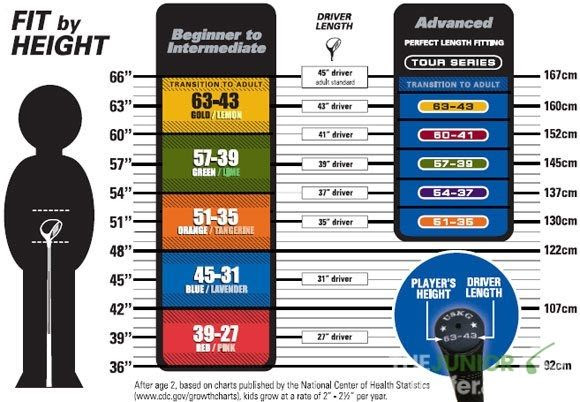
Image Source: www.hagginoaks.com
Why Club Size Is a Big Deal
Many people buy golf clubs “off the rack.” They might pick clubs based on their height or maybe just a friend’s idea. But golf clubs are not one-size-fits-all. Your body is unique. Your swing is unique. Clubs that are too long, too short, or have the wrong angles can mess things up.
- Bad Posture: Clubs that are too long make you stand too tall. Clubs that are too short make you bend over too much. Neither helps you make a good swing.
- Poor Ball Contact: If the club is the wrong size, you might hit the ground before the ball. Or you might just hit the top or side of the ball. This leads to weak shots that don’t go where you want.
- Wrong Ball Flight: The angle of the club head hitting the ball is key. Wrong club size can make you hit hooks (ball goes left for right-handers) or slices (ball goes right for right-handers).
- Less Power: If your clubs force you into a bad position, you can’t use your body well. This means you lose power and distance.
- Inconsistency: It’s hard to do the same swing over and over with clubs that feel awkward. You’ll have good shots and bad shots with no clear reason why.
- Risk of Pain: Swinging clubs that don’t fit can put stress on your back, wrists, or elbows.
Getting clubs that fit helps you set up to the ball correctly. It lets you swing more naturally. This leads to better contact, straighter shots, more power, and more fun on the course.
Grasping Key Measurements for Club Size
Figuring out what size golf clubs you need starts with looking at your body. There are a few main things a fitter checks. You can check some of these yourself to get a basic idea.
Wrist to Floor Measurement Explained
This is one of the most important measurements for a static golf club fitting. It helps figure out a good starting point for club length and lie angle. Lie angle is the angle of the club head bottom compared to the shaft.
Here is how to do a wrist to floor measurement golf clubs:
- Stand up straight. Stand on a hard, flat floor. Wear the golf shoes you usually play in. This is important because golf shoes change your height a little bit.
- Let your arms hang straight down naturally at your sides. Don’t try to reach or stretch your fingers down. Just let them hang easy.
- Have someone measure the distance from the main crease in your wrist (where your hand bends) down to the floor.
- Use a standard tape measure. Make sure the tape measure is straight up and down, not tilted.
- Measure both wrists just in case there is a small difference. Use the measurement for your dominant side (right wrist for a right-handed golfer).
This measurement tells a fitter how far your hands are from the ground when you are standing tall. People with longer arms for their height will have a smaller wrist-to-floor number. People with shorter arms for their height will have a larger number. This number, along with your height, helps figure out how long your clubs should be and what the lie angle should be.
Why Your Height Matters (But Isn’t Everything)
Your overall height is a starting point, and many basic golf club size chart by height tables use it. These charts might say something like:
| Your Height | Suggested Club Length Change from Standard |
|---|---|
| Under 5′ 2″ | -1 inch shorter than standard |
| 5′ 2″ to 5′ 5″ | -0.5 inches shorter than standard |
| 5′ 6″ to 5′ 10″ | Standard length golf clubs |
| 5′ 11″ to 6′ 2″ | +0.5 inches longer than standard |
| 6′ 3″ to 6′ 6″ | +1 inch longer than standard |
| Over 6′ 6″ | +1.5 inches or more longer than standard |
Please note: This is a very basic chart. It’s just a starting point. It does not account for how your arms hang or your swing.
While height gives you a rough idea of golf club shaft length vs height, it doesn’t tell the whole story. Someone who is 6 feet tall with long arms might need shorter clubs than someone who is 6 feet tall with short arms. The wrist-to-floor measurement is often more useful than just height alone for figuring out length and lie angle in a static golf club fitting.
Hand Size and Grip Fitting
The size of the grip on your club is also very important. It affects how you hold the club and how you release the club head through impact. The right golf grip size fitting helps you control the club face better.
If your grip is too small:
- You might use your hands too much in the swing.
- This can make the ball go left (hook) for right-handed players.
- It can feel like you have to squeeze the club tight.
If your grip is too big:
- It can be hard to release the club head properly.
- You might not be able to use your hands enough.
- This can make the ball go right (slice) for right-handed players.
- It can feel clumsy or hard to hold.
To get the right grip size, you need to measure your hand.
Here’s a simple way to measure for golf clubs grips:
- Use a ruler or tape measure.
- Measure from the crease of your wrist (the same one used for wrist-to-floor) to the tip of your longest finger. This is your hand length.
- Measure across the widest part of your palm, just below your fingers. This is your hand width.
A fitter will use these measurements, plus look at your fingers. Do you have long fingers? Short fingers? A wide palm? These details help choose the right grip thickness. Grips come in different sizes: Standard, Midsize, Oversize (Jumbo), and sometimes even smaller or in-between sizes. Sometimes, layers of tape are added under the grip to make it a standard grip thicker to fit your hand perfectly.
Interpreting Different Ways to Get Measured
There are two main ways people talk about getting measured for clubs: static golf club fitting and dynamic fitting. A good golf club fitting process uses both.
Static Golf Club Fitting: Starting with Measurements
Static golf club fitting is when the fitter takes measurements of your body while you are standing still. This is where your height, wrist to floor measurement golf clubs, and hand size come in.
- What it tells you: Static measurements give a good starting guess for club length, lie angle, and grip size. They are quick and easy to do.
- What it doesn’t tell you: Static measurements don’t know how you actually swing the club. Your swing path, how much you bend your knees, how much you lean over, and your tempo all affect what club size truly works best when you are hitting the ball.
Think of static fitting as getting the basic blueprints for your house. It tells you the shape and size, but not how you live in it.
Dynamic Fitting: Watching You Swing
Dynamic fitting happens when you actually hit golf balls while a fitter watches. This is where the real magic of a golf club fitting process happens.
- What the fitter looks for:
- Ball Flight: Where does the ball go? Does it go straight, hook, or slice?
- Club Head Path: How is the club moving through impact?
- Contact Point: Does the club hit the center of the ball, or is it towards the heel or toe?
- Divot Shape: If you take a divot, what does it look like? (Though many golfers don’t take divots).
- Lie Angle on Impact: This is often checked using a “lie board.”
Using a Lie Board for Lie Angle Adjustment
A lie board is a special plastic board that the golfer hits balls off of during a dynamic fitting. The bottom of the club head leaves a mark on the tape or sticker placed on the sole of the club.
- If the mark is on the toe side of the sole, it means the toe of the club was hitting the ground first. This suggests the club’s lie angle is too flat for your swing. A flat lie angle means the shaft is more horizontal at impact. This can cause the ball to go right (slice). You might need the lie angle adjustment golf to make the club more upright (shaft more vertical).
- If the mark is on the heel side of the sole, it means the heel of the club was hitting the ground first. This suggests the club’s lie angle is too upright for your swing. An upright lie angle can cause the ball to go left (hook). You might need the lie angle adjustment golf to make the club more flat.
- If the mark is in the middle of the sole, it means the club head was sitting correctly through impact. The lie angle is likely a good match for you.
Dynamic fitting uses these observations to fine-tune the suggestions made from static golf club fitting. It makes sure the clubs work not just for your body shape, but for your actual golf swing.
The Full Fitting Journey: Step-by-Step
Going for a full golf club fitting process is the best way to measure for golf clubs and get clubs that are truly right for you. Here’s what usually happens:
H4: 1. Talking About Your Game (Interview)
The fitting starts with the fitter talking to you. They ask about:
- Your golfing goals (do you want to hit it farther? Straighter? Just have more fun?).
- How often you play.
- What you like and dislike about your current clubs.
- Any physical issues you have (like back pain).
- Your typical ball flight (slice, hook, straight).
This chat helps the fitter understand what you need and want from your clubs.
H4: 2. Taking Body Measurements (Static)
Next, the fitter takes your static golf club fitting measurements. This includes:
- Your height.
- Your wrist to floor measurement golf clubs.
- Your hand size (length and width).
These numbers give them a starting point for deciding on club length, lie angle, and grip size.
H4: 3. Watching You Swing (Dynamic)
This is where you hit balls, usually on a driving range or into a net in a simulator. The fitter uses their eyes and often technology like launch monitors (machines that track the ball and club data).
- They watch your posture and setup.
- They watch your swing path and tempo.
- They use the lie board to check the lie angle at impact.
- The launch monitor gives data like club speed, ball speed, launch angle, spin rate, and carry distance. This helps them see how your swing affects the ball with different clubs.
H4: 4. Trying Different Clubs
Based on your measurements and how you swing, the fitter will give you clubs to try. These clubs might have:
- Different lengths (shorter or longer than standard length golf clubs).
- Different lie angles.
- Different grip sizes.
- Different shaft types (stiffer, more flexible, lighter, heavier).
- Sometimes, different club heads.
You hit balls with your current clubs first (if you brought them) to set a baseline. Then you hit the test clubs. The fitter looks at the data and how you look and feel swinging them.
H4: 5. Finding the Best Fit
The fitter compares the results from the different clubs you tried. They look for the combination of length, lie angle, grip size, and shaft that gives you:
- The most consistent ball contact.
- The best ball flight for you (straighter, maybe higher or lower depending on your needs).
- Good distance.
- A comfortable feel.
They make recommendations based on the data and your feedback.
H4: 6. Making Adjustments or Ordering Custom Clubs
Once the best setup is found, the fitter will tell you exactly what you need. This might mean:
- Adjusting the lie angle adjustment golf on your current clubs (if they are adjustable). This is often done by bending the club head.
- Putting on new grips of the correct size (golf grip size fitting).
- Recommending new clubs with the specific length, lie angle, grip size, and shaft you need. These are custom fit golf clubs.
This whole golf club fitting process takes time, usually an hour or more, sometimes longer for a full set. But it’s an investment in playing better golf.
Fathoming Club Parts and Size
Let’s look closer at the main “size” parts of a golf club that fitting addresses: Length, Lie Angle, and Grip Size.
H4: Club Length
Club length is measured from the heel of the club head to the end of the grip cap. Standard length golf clubs exist, but they are really just a common starting point. Your height and wrist to floor measurement golf clubs, plus your swing, decide your ideal length.
- Why length matters:
- Posture: Wrong length forces bad bending or standing positions.
- Swing Path: Too long can make you swing more from the outside (leading to slices or pulls). Too short can make you swing too much from the inside (leading to hooks or pushes).
- Contact: Incorrect length makes it harder to consistently hit the sweet spot of the club face.
- Speed: A little longer can sometimes mean more club head speed, but only if you can control it. Too long slows you down. Too short might feel fast but reduce arc width.
Getting the right golf club shaft length vs height and arm length is crucial. A fitter will help you find the length that lets you stand comfortably and make a balanced swing while hitting the center of the club face.
H4: Lie Angle Adjustment
We talked about the lie board test, but let’s be very clear about lie angle adjustment golf.
- What is Lie Angle? It’s the angle between the center of the shaft and the sole (bottom) of the club head when the club is resting on the ground with the face square.
- Why adjust it? If your lie angle is wrong for your swing, the toe or heel of the club will be off the ground at impact.
- If the toe is up and heel is down (club is too upright for you), the ball tends to go left (hook).
- If the heel is up and toe is down (club is too flat for you), the ball tends to go right (slice).
Correcting the lie angle adjustment golf makes sure the club sole is parallel to the ground at impact. This gives you the best chance to hit the center of the club face and start the ball on your intended line. Fitters adjust lie angle by carefully bending the club head in a special machine. Not all clubs can be bent (some materials might break), but most forged or cast irons can be adjusted a few degrees.
H4: Golf Grip Size Fitting
We covered how to measure your hand. The golf grip size fitting is about matching that hand size to the right grip.
- How to tell if your grip is the wrong size (basic check): Hold a club comfortably. If your fingers dig into your palm, the grip might be too small. If there’s a big gap between your fingers and palm, the grip might be too big.
- How grip size is adjusted: Grips come in different standard sizes (Standard, Midsize, Oversize). Fitters can also make grips thicker by adding layers of special tape under the grip before putting it on the shaft. This allows for very fine tuning of the grip size.
A comfortable, correctly sized grip helps you hold the club without tension. It allows your hands to work properly through the swing for good control and power.
Doing It Yourself vs. Going Pro
You can use a golf club size chart by height and your wrist to floor measurement golf clubs to get a static golf club fitting idea on your own. This is a start, especially if you are buying clubs for a junior player or if you have very obvious needs (like being much taller or shorter than average).
However, doing a full golf club fitting process with a trained professional is highly recommended for most adult golfers who want to improve.
DIY (Using charts, simple measurements):
- Pros: Free, quick, gives a basic idea.
- Cons: Doesn’t account for your swing, can lead to wrong conclusions, doesn’t include dynamic fitting aspects like lie angle from hitting balls or shaft flex. Only uses static golf club fitting.
Professional Fitting:
- Pros: Considers your unique swing, uses dynamic testing (lie board, launch monitor), fine-tunes length, lie, grip, and often shaft and club head, leads to custom fit golf clubs, greatly increases chances of getting clubs that truly help your game. They measure for golf clubs in the most complete way.
- Cons: There is a custom fit golf clubs cost involved, takes time.
For the best results, a professional fitting is worth the time and money for many golfers. It takes the guesswork out of club buying.
Custom Fit Golf Clubs Cost
The custom fit golf clubs cost can vary a lot. It depends on:
- The type of fitting: A full bag fitting costs more than just an iron fitting or a driver fitting.
- The fitter’s experience and location: High-tech fitting centers with top fitters usually charge more.
- Whether the fitting fee is included if you buy clubs: Some fitters charge a fee for the fitting itself (maybe $50 – $150+ per session type). They might waive or reduce this fee if you buy the recommended clubs from them. Other places include a basic fitting when you buy a set of clubs.
- The clubs themselves: The cost of the custom fit clubs you end up buying will depend on the brand, model, and any upgraded shafts or grips. Customizing clubs means you pay for the specific options selected during the fitting.
So, the custom fit golf clubs cost isn’t just the fitting fee. It’s also the price of the clubs built to your specs. A basic fitting might cost around $100, but a full bag fitting using advanced technology could be $300-$500 or more. The clubs themselves could be anywhere from $500 for a basic iron set to several thousand dollars for a full set of premium custom fit clubs.
While there is a cost, think of it as an investment. Custom fit golf clubs can last for many years. The cost of the fitting itself is often less than the price of buying one wrong club.
Why the Right Fit Makes Golf More Fun
Golf is hard enough even with the right tools. Playing with clubs that don’t fit makes it even harder. Getting clubs sized for you is not just about tiny adjustments for pro players. It helps golfers of any skill level.
When your clubs fit, you can:
- Set up to the ball with better balance.
- Make a more natural swing without forcing positions.
- Hit the ball more squarely on the face.
- See the ball go straighter and more predictably.
- Get more consistent results from shot to shot.
- Reduce the chance of aches and pains from swinging awkward clubs.
All of this adds up to more confidence and more enjoyable rounds of golf. You won’t be fighting your equipment. You’ll be working with it.
Wrapping Up: Make the Effort to Get Fitted
Figuring out how to know what size golf clubs to get is a key step to playing better golf. While a static golf club fitting using your height and wrist to floor measurement golf clubs gives you a basic idea, a full golf club fitting process is the best way to find your perfect match.
A professional will measure for golf clubs completely. They look at your body (height, wrist to floor measurement golf clubs, hand size for golf grip size fitting). They watch your swing dynamically (using lie boards for lie angle adjustment golf, and technology). They find the right length (golf club shaft length vs height compared to standard length golf clubs), lie angle, and grip size for you. Yes, there is a custom fit golf clubs cost, but the benefits in better play and more fun are often well worth it.
Don’t fight your clubs. Get them fitted to you. It’s an important step in making golf easier and more rewarding.
Frequently Asked Questions
H4: How long does a golf club fitting take?
It depends on what clubs you are getting fitted for. A driver fitting might take 30-60 minutes. An iron fitting usually takes 60-90 minutes. A full bag fitting can take 2-3 hours or even longer.
H4: Is golf club fitting only for good players?
No, absolutely not! Fitting can help golfers of any skill level. In many ways, it helps new or struggling golfers even more. Getting clubs that fit makes learning the right swing motions much easier. It removes a big variable that might be causing bad shots.
H4: Can my old clubs be adjusted?
Maybe. Many modern forged or cast iron clubs can have their lie and loft angles adjusted by bending. Drivers and woods often have adjustable heads that let you change loft and lie angle. However, the length and grip size can also be changed on almost any club by cutting the shaft shorter (you can’t easily make them longer by much) and putting on new grips. A fitter can tell you what adjustments are possible for your specific clubs.
H4: What should I bring to a club fitting?
Bring your current clubs (especially the ones you like or dislike), your golf shoes, and wear comfortable clothes you can easily swing in. If it’s outdoors, bring a glove and any other gear you normally use.
H4: How often should I get fitted?
If you are just starting or your swing is changing a lot, fitting can help often. For most golfers, getting fitted every few years or when you buy new clubs is a good idea. Also, if your body changes significantly (you grow, lose or gain a lot of weight, have an injury), a fitting might be needed sooner.
H4: What if I don’t want to buy new custom fit clubs?
A fitting can still help you. It will tell you the right length, lie angle, and grip size you should be using. You can then look for used clubs with similar specs or see if your current clubs can be adjusted to fit those numbers. You can also buy new grips of the correct size and have them put on. The fitting knowledge is valuable even if you don’t buy brand new custom fit golf clubs.