
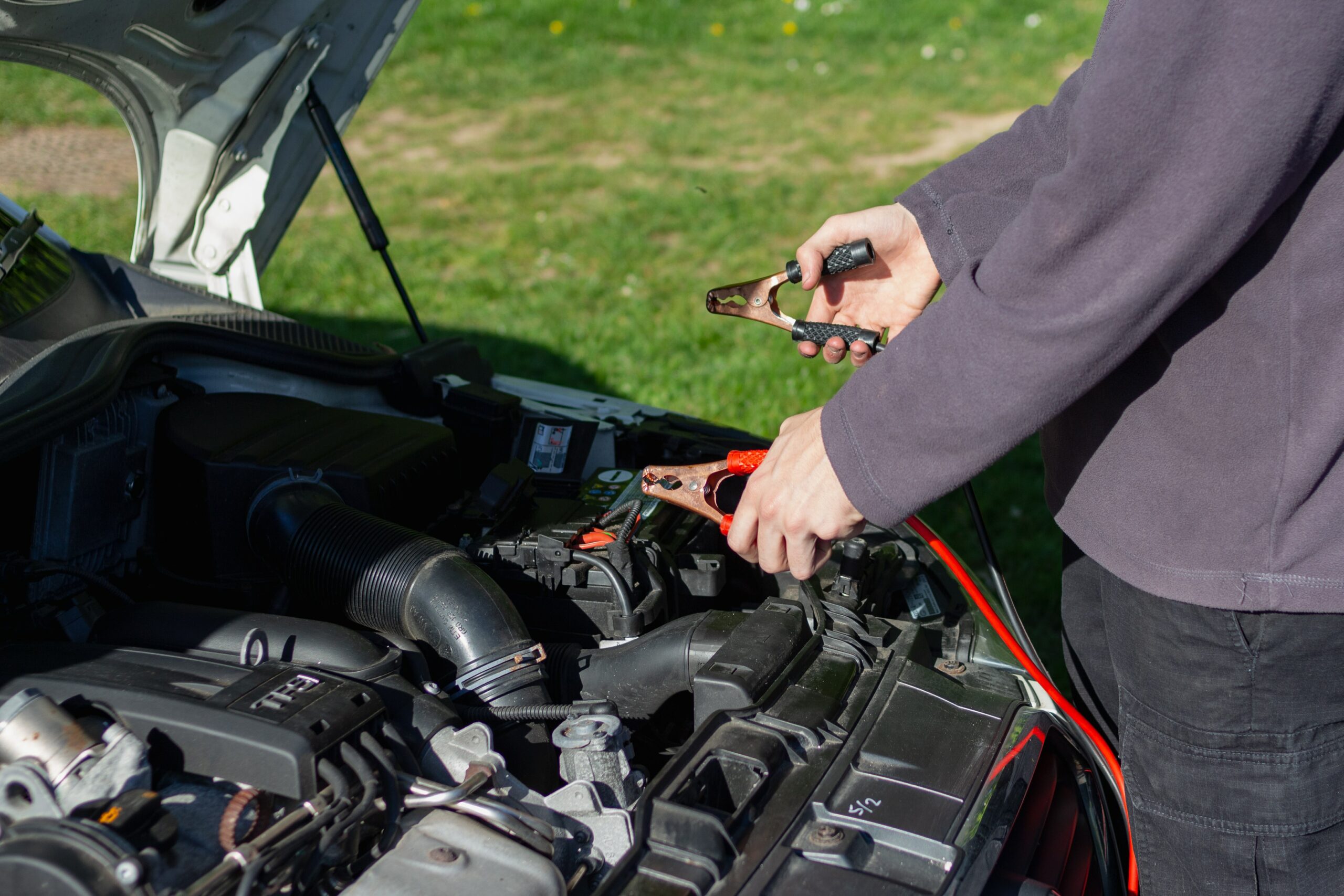
Image Source: jsgolfcarts.com
Simple Steps: How To Jump Start A Golf Cart Battery
Can you jump start a golf cart? Yes, you can jump start an electric golf cart battery. This can help when your golf cart battery is dead or your golf cart won’t start because the battery is weak. Jump-starting gives the battery a quick boost to get the cart going. However, it is very important to use proper jumper cable safety golf cart steps to avoid damage or injury. This guide will show you how to do it the simple way.
Why Your Golf Cart Won’t Start
Many things can stop your golf cart from starting. A common problem is a golf cart battery dead. Batteries lose power over time or if left unused. But the battery is not always the reason for golf cart starting issues.
- Dead Battery: This is the most common cause. The battery bank does not have enough power.
- Weak Battery: The battery might have some power but not enough to start the motor. This is when a jump start might help.
- Loose or Dirty Cables: The electric golf cart battery terminals must be clean and tight. Bad connections stop power from flowing.
- Faulty Solenoid: The golf cart solenoid is like a switch. It sends power from the battery to the motor when you try to start. If it is bad, power does not get through. This is a key part of golf cart solenoid troubleshooting.
- Controller Problems: The controller manages power flow in electric carts. If it fails, the cart won’t go.
- Charger Issues: If your charger is broken, the battery won’t charge properly. This leads to a golf cart battery dead.
- Motor Trouble: The golf cart starter motor (in gas carts) or drive motor (in electric carts) can fail. This is less common than battery issues but does happen.
Knowing the problem helps fix your golf cart starting issues. Jump-starting only helps with a weak or mostly dead battery. It will not fix a bad solenoid or motor.
Deciphering Your Golf Cart’s Battery System
Electric golf carts use a set of batteries. These batteries work together. They create the right golf cart voltage for the cart’s motor. Common voltages are 36 volts (36V), 48 volts (48V), and 72 volts (72V).
- How Batteries Connect: Golf carts usually use 6-volt (6V) or 8-volt (8V) batteries. Sometimes they use 12-volt (12V) batteries. These batteries are wired together in a series. Wiring in series adds the voltage of each battery.
- To get 36V, you link six 6V batteries.
- To get 48V, you link six 8V batteries or four 12V batteries.
- To get 72V, you link twelve 6V batteries or six 12V batteries.
- The Battery Bank: All the batteries wired together are called the battery bank.
- Terminals: Each battery has two posts called terminals. One is positive (+). The other is negative (-). Cables connect these terminals to link the batteries in series.
- Main Terminals: The battery bank has main positive and negative terminals. These are where the main cables connect. These cables go to the cart’s power system (solenoid, controller, motor). You need to find these main terminals to jump start. The main positive is usually on the first battery in the series. The main negative is usually on the last battery.
Finding the main positive and negative posts is key. This is where you will connect the jumper cables. You need to know your cart’s golf cart voltage. This helps understand its power system.
Grasping Safety Before You Jump
Working with golf cart batteries needs care. They hold a lot of power. They also have acid inside. Following jumper cable safety golf cart rules is a must. This protects you and your cart.
- Wear Safety Gear: Always wear eye protection. Battery acid can splash. Wear gloves too.
- Work in a Safe Place: Work in a place with good air flow. Batteries can let out gas when charged. This gas can catch fire. Keep sparks and open flames away. Do not smoke nearby.
- Check Batteries First: Look at the batteries. Are any cracked? Are they leaking? If a battery is broken, do not try to jump it. Leaking acid is very unsafe.
- Clean Terminals: The electric golf cart battery terminals must be clean. White or green stuff on terminals is corrosion. Corrosion stops power flow. Clean terminals before connecting cables.
- Use the Right Jumper Cables: Use heavy-duty jumper cables. Thin cables might not carry enough power. They can also get hot.
- Never Touch Cable Clamps Together: Do not let the red and black clamps touch each other when connected to power. This makes sparks. Sparks can cause a battery to explode.
- Connect in Order: There is a right way to connect jumper cables. There is also a right way to remove them. This order reduces the risk of sparks.
- Know Your Voltage: Make sure the power source you use (car, another battery) has the right voltage or is a single 12V source used carefully on a single battery for a quick boost, not the whole bank. Jump-starting the whole bank from a car (usually 12V) to a 36V or 48V system is wrong and dangerous. You usually jump start one battery in the bank, the one that seems weakest or the main one if giving a small boost to the whole system via the main terminals with extreme caution. For the simple steps here, we focus on boosting one battery or using a similar voltage source if possible. The safest method for boosting a weak bank is often to use a proper charger or booster designed for the cart’s voltage, but jump-starting a single battery to get just enough power to start charging is a common need. Our steps will focus on boosting one battery.
- Batteries are Heavy: Be careful when moving or working around the batteries.
By following these safety tips, you make the job much safer. Do not rush. Think about each step.
What Tools You Will Need
Gather these items before you start. Having them ready makes the job easier and safer.
- Jumper Cables: Get a good set. Not too thin.
- Safety Glasses: Protect your eyes.
- Gloves: Protect your hands from acid and dirt.
- Wrench: You might need a wrench to tighten cable connections if they are loose.
- Battery Terminal Cleaning Tool or Wire Brush: To clean dirty terminals.
- Baking Soda and Water Mix: This neutralizes battery acid if you find corrosion or a small leak. Mix a few tablespoons of baking soda with a cup of water.
- Water: To rinse off the baking soda mix.
- A Power Source: This is usually another battery or a running vehicle. For a golf cart, using another 12V battery or a running car battery to boost one golf cart battery (usually 6V or 8V) is common. Using a 12V source on a 6V or 8V battery for a very short time can give it a needed kick. You cannot jump the entire 36V or 48V bank with a 12V car battery directly across the main terminals. This is very dangerous. The simplest method for a quick boost to get the charger working is boosting one battery.
Make sure your power source is nearby. Park the car or place the battery close to the golf cart’s battery area.
Simple Steps: Jump Starting One Golf Cart Battery (Common Method)
This method helps when your golf cart battery dead is because one or two batteries in the bank are weaker than the others. Boosting just one battery can sometimes lift the voltage of the whole bank enough to start.
Warning: This is for a quick boost to one battery, usually a 6V or 8V battery, using a 12V source like a car battery. You risk damaging the golf cart battery if you leave the cables connected too long or connect to the wrong battery or the whole bank. This should be a very short connection.
Steps:
- Find the Batteries: Locate the golf cart’s batteries. They are often under the seat. Lift the seat to see them.
- Check the Batteries: Look at all the batteries. Are they dirty? Do they look okay? Check for cracks or leaks. If any look bad, stop here. Do not try to jump a damaged battery.
- Clean Terminals: Look at the electric golf cart battery terminals. If they have white or green buildup (corrosion), clean them. Disconnect the main negative cable from the battery bank first if possible (usually on the last battery). Use your cleaning tool or wire brush. You can dip the brush in the baking soda mix to help. Scrub the terminals and cable ends. Rinse with water. Dry everything well. Reconnect any cables you removed, starting with the main negative last.
- Find a Battery to Boost: Try to find the battery that seems weakest. Sometimes you cannot tell just by looking. If you have a voltmeter, you can check the voltage of each battery. A 6V battery should read around 6.0-6.3V when charged, an 8V around 8.0-8.4V. A low reading points to a weak battery. If you do not know which is weakest, choose one of the batteries in the middle of the bank. Avoid the first or last battery (main positive/negative) for this method to prevent accidentally sending 12V through the whole system.
- Position the Power Source: Park the car or place the 12V battery near the golf cart. Make sure the car engine is off.
- Connect the Positive Cable (Red): Take the red jumper cable. Connect one clamp to the positive (+) terminal of the 12V source battery. Connect the other red clamp to the positive (+) terminal of the single golf cart battery you chose to boost. Make sure the clamp is tight on the metal post.
- Connect the Negative Cable (Black): Take the black jumper cable. Connect one clamp to the negative (-) terminal of the 12V source battery. Connect the other black clamp to the negative (-) terminal of the same single golf cart battery you are boosting. Again, make sure the clamp is tight.
- Wait Briefly: Let the cables stay connected for only 30-60 seconds. This is a short boost. Do not leave them connected for several minutes or try to charge the battery this way. It is just to give a small bit of power.
- Remove the Negative Cable (Black) First: Carefully remove the black clamp from the negative (-) terminal of the golf cart battery. Then remove the black clamp from the negative (-) terminal of the 12V source.
- Remove the Positive Cable (Red) Last: Carefully remove the red clamp from the positive (+) terminal of the golf cart battery. Then remove the red clamp from the positive (+) terminal of the 12V source. Keep the clamps from touching anything metal.
- Try to Start the Cart: Now, try to start your golf cart normally. See if it turns on or moves.
- Connect to Charger Immediately: If the cart starts or shows signs of life, drive it directly to where you can connect its main charger. The jump start is only to give it enough power to accept a proper charge. You must start charging golf cart battery right away.
This method boosts one weak battery. It helps raise the overall golf cart voltage slightly. This might be enough to make the cart’s system turn on or allow the main charger to start working.
Interpreting Why It Worked (or Didn’t)
Jump-starting a single battery helps in specific cases. It can give a needed boost if the battery bank voltage is just below the level needed for the controller or solenoid to work.
- It Worked Because: The jump start added just enough voltage to one weak battery. This raised the total golf cart voltage slightly. This small rise was enough for the cart’s main solenoid to click or the controller to power up. Now the cart can try to move or can accept a charge. This shows the main issue was a low battery state, perhaps a golf cart battery dead not completely, but very weak.
- It Didn’t Work Because:
- Battery is Truly Dead or Bad: If a battery cell is totally gone, a short jump won’t fix it. The whole battery might need replacing.
- Bad Solenoid: If the golf cart solenoid is faulty, it won’t let power through even if the battery has enough voltage. Jump-starting the battery won’t fix a mechanical or electrical problem in the solenoid itself. This points to needing golf cart solenoid troubleshooting. You might hear a click but the cart does not move, or no click at all.
- Motor Issues: The golf cart starter motor (gas) or drive motor (electric) might be broken. A jumped battery won’t help a bad motor.
- Controller Failure: The main controller might be bad. It manages power and movement. If it is broken, the cart won’t work.
- Main Cables or Connections: Loose or heavily corroded main cables at the first and last battery terminals can stop power. Jump-starting one battery won’t fix a bad main connection. Check the electric golf cart battery terminals where the thick cables leave the battery bank.
- Other Electrical Faults: Fuses, tow/run switch issues, or wiring problems can prevent starting. These are other golf cart starting issues beyond the battery.
If jump-starting one battery does not work, the problem is likely not just a slightly weak battery bank. You will need to look into other parts like the solenoid, controller, or wiring.
After the Jump: Next Steps
Successfully jump-starting is only step one. It is a temporary fix. It does not fully charge your batteries.
- Connect the Charger: As soon as the cart runs, get it to its charging spot. Connect the proper golf cart charger. The charger must match your golf cart voltage (e.g., how to charge 48v golf cart needs a 48V charger).
- Allow a Full Charge Cycle: Let the charger run for its full cycle. This can take many hours. Follow the charger’s instructions. Do not unplug it early. A full charge brings the batteries back to a healthy state.
- Check Battery Voltage Later: After the full charge, let the batteries rest for a few hours. Then, if you have a voltmeter, check the total golf cart voltage. It should be at the proper level for your cart (e.g., over 50V for a 48V system). Check the voltage of individual batteries too. They should all be close to each other (e.g., all 8V batteries near 8.4V). Big differences mean one or more batteries are bad.
- Clean and Tighten Terminals: Recheck all the electric golf cart battery terminals. Make sure they are clean and tight. Loose connections cause problems and can be unsafe.
- Keep Batteries Maintained: Check the water levels in your batteries regularly (if they are not sealed). Add distilled water if needed, but only after charging.
- Watch for Repeat Issues: If the golf cart battery dead happens again soon after a full charge, your batteries are likely old or damaged. They might need replacing.
Jump-starting got you moving. Proper charging and maintenance keep you moving.
How to Charge Your Golf Cart Battery Properly
Jump-starting is just a nudge. Charging golf cart battery correctly is vital for long battery life and reliable starting.
- Use the Right Charger: Always use a charger made for your golf cart’s specific golf cart voltage (36V, 48V, etc.). Using the wrong voltage charger can damage the batteries or the cart. How to charge 48v golf cart means you need a 48V charger.
- Connect Correctly: Plug the charger into the cart’s charge port. Then plug the charger into the wall outlet. Some chargers have a specific order. Check your charger’s manual.
- Allow a Full Cycle: Most modern chargers are automatic. They turn off when charging is done. Let the charger finish the full cycle. This balances the charge across all batteries.
- Charge After Each Use: It is best to charge your golf cart after each time you use it, especially if you used it for a while. Do not wait until the golf cart battery is dead. Charging regularly helps keep batteries healthy.
- Store with a Full Charge: If you are storing the cart, charge the batteries fully first. For long storage, use a smart charger or check the charge level often and recharge as needed. Batteries lose charge over time even when not used. A golf cart battery dead from sitting too long can be hard to recover.
- Check Water Levels (if needed): For batteries that are not sealed, check the water level after charging. The water level should be above the plates inside the battery. Add distilled water if low, but be careful not to overfill. Battery acid levels are highest after charging.
Proper charging is the best way to avoid a golf cart battery dead situation. It is part of good golf cart maintenance.
Avoiding Future Golf Cart Starting Issues
Keeping your golf cart in good shape prevents most golf cart starting issues. Focus on the battery system.
- Regular Charging: Charge your batteries after use. Do not let them sit for long periods without charging. This is the most important thing for battery health.
- Keep Terminals Clean and Tight: Check the electric golf cart battery terminals often. Clean off any corrosion. Make sure the nuts holding the cables are tight. Loose connections cause resistance, lost power, and heat.
- Check Water Levels: If your batteries have caps you can remove, check the water levels often (every month is good). Use only distilled water.
- Test Batteries: Have your battery bank tested every year or two. A golf cart shop can do this. They can tell you the health of each battery. This helps find weak batteries before they cause problems.
- Use a Quality Charger: A good charger helps batteries last longer. Cheap or old chargers can damage batteries.
- Check Main Cables: Look at the thick cables that connect the battery bank to the rest of the cart. Make sure they are not damaged or corroded where they connect.
- Inspect the Solenoid: Listen for the click from the golf cart solenoid when you press the pedal (on electric carts). If you do not hear it, or hear a weak click, it might need golf cart solenoid troubleshooting or replacing.
- Store in the Right Temperature: Batteries work best in moderate temperatures. Very hot or very cold weather can affect their performance and life.
Doing these simple checks and tasks helps avoid the frustration of a golf cart won’t start moment. Prevention is easier than fixing.
Potential Risks and Pitfalls
Jump-starting a golf cart battery can be risky if not done right. Knowing the dangers helps you stay safe.
- Battery Explosion: Batteries produce hydrogen gas. Sparks near a battery, especially when connecting or disconnecting cables, can ignite this gas. This can cause a battery to explode. This is why the connection order matters and why you should not smoke near batteries.
- Acid Burns: Battery acid is strong. It can burn skin and eyes and damage clothes. Always wear safety glasses and gloves. If acid gets on you, wash it off right away with lots of water. The baking soda mix can help neutralize it.
- Damaging Electronics: Connecting jumper cables wrong can send power in the wrong direction or at the wrong voltage. This can harm the cart’s controller, charger, or other parts. Connecting a 12V source across the entire 36V or 48V bank is a major risk.
- Damaging Batteries: Overcharging a single battery with a higher voltage source (like putting 12V on a 6V or 8V for too long) can damage that battery or others in the bank.
- Cable Damage: Using thin or damaged jumper cables can cause them to overheat or fail. This is a fire risk.
- Short Circuits: Letting jumper cable clamps touch metal parts of the cart (not the battery terminals) or touch each other can cause a short circuit. This creates sparks and can damage the cart or the power source battery.
These risks highlight why following the jumper cable safety golf cart steps is so important. If you are not sure what to do, it is better to call someone who knows golf carts or can transport it to a repair shop.
Summary
Jump-starting a golf cart battery can get you out of a tough spot if your golf cart battery is dead or weak. It can help when the golf cart won’t start due to low battery power. The process involves safely boosting power to one battery in the bank using a separate 12V source for a very short time. This quick boost might give the whole battery bank just enough voltage to wake up the cart’s system or accept a charge.
Remember, jump-starting is not a fix for all golf cart starting issues. It will not solve problems with the golf cart solenoid, golf cart starter motor, or other electrical parts. It also does not charge the battery. You must connect the cart to its proper charger right away after a successful jump start. Proper charging golf cart battery procedures are key to long-term battery health.
Always put safety first. Wear eye protection and gloves. Work in a safe area. Know the right way to connect and disconnect jumper cables. If your golf cart starting issues continue after charging, you likely have a bigger problem. This might involve checking the electric golf cart battery terminals, golf cart voltage, solenoid, or seeking professional help. Taking simple steps for care and safety helps keep your golf cart running smoothly.
Frequently Asked Questions (FAQ)
Q: Can I use a car to jump start my 48V golf cart?
A: You cannot connect a 12V car battery directly across the main positive and negative terminals of a 48V golf cart battery bank. This is dangerous and can damage the cart. You can use a car battery to briefly boost one 6V or 8V battery within the 48V bank using the method described, but this is a quick, temporary measure only.
Q: My golf cart clicks but won’t start. Is the battery dead?
A: A click often means the golf cart solenoid is getting power and trying to work. If the cart does not move after the click, the battery might be very weak (golf cart battery dead or nearly so), or the solenoid could be bad (golf cart solenoid troubleshooting needed), or there could be an issue with the motor or other parts.
Q: How long does it take to charge a golf cart battery?
A: Charging golf cart battery fully usually takes several hours, often 8 to 10 hours or more, depending on how drained the batteries are and the charger type. It’s best to let the charger complete its automatic cycle.
Q: How do I know if my golf cart battery is dead or just needs charging?
A: A completely dead battery might show zero or very low voltage. A battery that just needs charging will show some voltage but not the full amount for its type (e.g., less than 8V for an 8V battery). If the battery won’t hold a charge after charging, it’s likely dead. You can use a voltmeter to check the golf cart voltage.
Q: What is the correct golf cart voltage for my cart?
A: Check your golf cart’s manual or look for labels near the batteries or charging port. Common voltages are 36V, 48V, and 72V. Knowing this is important for buying the right charger or replacement batteries.
Q: What does the golf cart solenoid do?
A: The golf cart solenoid is a high-current relay or switch. When you press the accelerator (or turn the key in some gas carts), the solenoid clicks and connects the main battery power to the motor or controller. If it’s bad, power doesn’t reach the parts needed to make the cart go, leading to golf cart starting issues.
Q: Can a bad golf cart starter motor cause starting issues?
A: Yes, in gas golf carts, a bad starter motor will prevent the engine from turning over. In electric carts, issues with the main drive motor can prevent movement even if the electrical system is working. This is less common than battery problems but does happen.