
How much does it cost to build a golf course? The average cost to build a golf course can range from $5 million to $25 million or more. This big range depends on many things. It includes the land, design, and how fancy the course is. Building a golf course is a major project. It needs careful planning and a lot of money. The final golf course construction costs depend on many choices. These choices start from the very first idea.
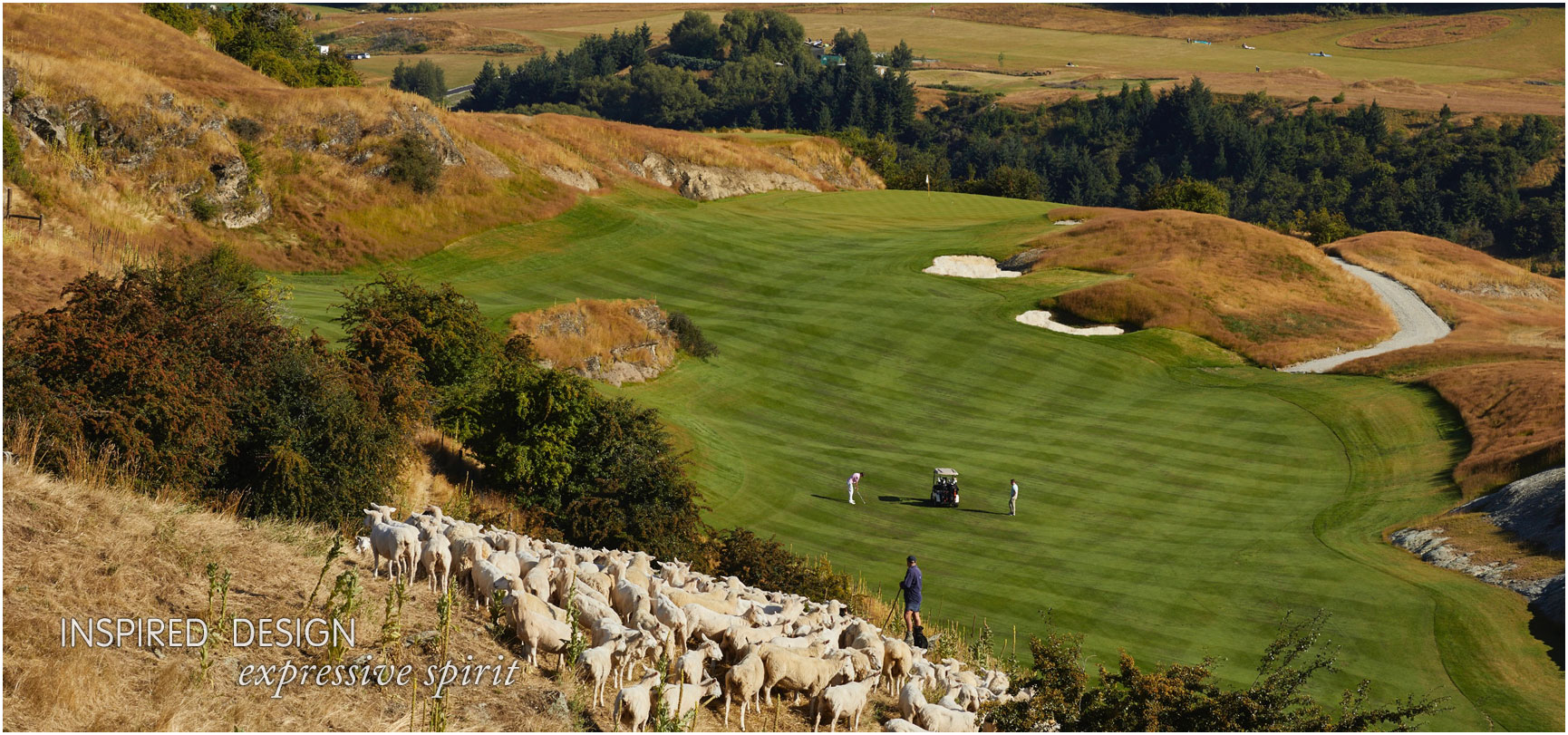
Image Source: www.scottmacphersongolfdesign.com
Deciphering Golf Course Costs: What to Expect
Building a golf course is a big investment. It goes beyond just clearing land. You need a full plan. This plan covers everything from buying the ground to keeping the grass green. Knowing these costs helps you plan well. It helps you set a realistic golf course development budget.
Many things add to the total cost. These include where the land is. They include how much work the land needs. The type of grass matters. The water system matters. Even the club house adds to the price.
Here is a simple look at the main cost areas:
- Land Purchase: Buying the ground is often the biggest cost.
- Design and Planning: Paying experts to draw the course.
- Site Work: Moving dirt, shaping the land.
- Irrigation System: Getting water to the grass.
- Turfgrass: Planting the right kind of grass.
- Bunkers and Features: Adding sand traps and water hazards.
- Buildings: Clubhouses, maintenance sheds, cart paths.
- Equipment: Buying machines for upkeep.
- Contingency: Extra money for surprises.
Each of these parts has its own price tag. We will look at each one closely.
Key Elements Driving Cost
Many factors affect golf course building cost. These are not small things. They can change the price by millions. Knowing them helps you make smart choices.
Land: The Foundation’s Price
The cost of golf course land is a huge part. It is often the single biggest expense. Land prices change a lot. They depend on where the land is. Land near cities costs more. Land far from cities costs less. The size of the land also matters. A full 18-hole course needs a lot of space. It often needs 150-200 acres.
- Location: Land in a popular area is very expensive. Remote land is much cheaper.
- Size: More land means more money.
- Topography: Flat land is easier to work with. Hilly or rocky land costs more to shape.
- Existing Features: If the land has trees or water, it might save money. Or it might cost more to clear.
Table: Average Land Cost Estimates (Highly Variable)
| Land Type | Typical Cost Per Acre | Notes |
|---|---|---|
| Remote, Raw Rural Land | $2,000 – $10,000 | Needs much work, often no utilities. |
| Rural, Accessible Land | $10,000 – $50,000 | Closer to roads, some utilities. |
| Suburban Land | $50,000 – $200,000 | More developed, higher demand. |
| Prime Urban Fringe Land | $200,000 – $1,000,000+ | Very high demand, often near city services. |
If you need 180 acres, land could cost anywhere from $360,000 to $180 million. This shows why land is such a big part of golf course construction costs.
Crafting the Course: Design Expenses
Golf course design expenses are key. You need skilled architects. They draw the plans for the course. They decide where the holes go. They plan bunkers and water. Good design makes a course fun. It also makes it playable. It can make the course easier to build. It can save money later on.
- Architect’s Reputation: Famous designers charge more.
- Course Complexity: A simple course costs less to design. A complex course with many features costs more.
- Number of Holes: 18 holes cost more to design than 9 holes.
- Site Visits: The designer visits the site many times. More visits add to the cost.
Design fees can range from $250,000 to $1 million or more. This includes a master plan. It includes detailed drawings. It also covers help during building.
Shaping the Ground: Site Work and Earth Moving
This is where the real digging starts. Site work is about changing the land. It means moving a lot of dirt. Big machines are used. They make the hills, valleys, and greens. This work is very expensive. It takes a lot of time.
- Original Land Condition: Flat land needs less work. Rocky or very hilly land needs much more.
- Amount of Dirt Moved: The more dirt moved, the higher the cost.
- Drainage Needs: Wet areas need special drainage. This adds to the cost.
- Clearing: Taking out trees and rocks costs money.
Site work can cost from $1 million to $10 million. It depends on the land. It depends on the design. Sometimes, it can be even higher.
Watering the Greens: Irrigation System Cost
A golf course needs a lot of water. The golf course irrigation system cost is significant. It keeps the grass healthy. It keeps it green all year. A good system saves water. It helps the course last longer.
- System Type: Simple systems cost less. Smart, high-tech systems cost more.
- Water Source: Using city water costs money. Wells or ponds might be cheaper over time.
- Pump Stations: These move water around the course. They can be expensive.
- Piping and Sprinklers: Many miles of pipes are needed. Thousands of sprinklers are needed.
An irrigation system can cost from $1 million to $3 million. This includes design, pipes, pumps, and sprinklers. It is a vital part of the golf course development budget.
Growing the Green: Turfgrass and Planting
Choosing the right grass is important. Different grasses grow well in different climates. Some grasses need less water. Some handle play better. The cost of planting the turfgrass varies. It depends on the type of grass. It depends on how it is planted.
- Grass Type: Warm-season grasses (like Bermuda) differ from cool-season grasses (like Bentgrass). Each has its own cost.
- Installation Method: Seeding is cheaper. Sodding is more expensive but faster.
- Nursery Costs: Growing the grass first adds a step.
- Fertilizer and Soil Prep: The ground needs to be ready for the grass.
Turfgrass and planting can cost from $500,000 to $2 million. This includes the grass itself. It also includes soil work and planting.
Adding the Details: Bunkers, Paths, and Features
These are the things that make a course special. Bunkers are sand traps. Cart paths are for golf carts. Bridges cross water. Lakes and ponds add beauty. They also add challenge.
- Number of Bunkers: More bunkers mean more sand and shaping.
- Cart Path Material: Paved paths cost more than gravel paths.
- Water Features: Digging lakes and building waterfalls adds cost.
- Bridges and Tunnels: These are often very expensive.
The cost for these features can range from $500,000 to $3 million. It depends on how many you add. It depends on how fancy they are.
Buildings and Facilities
A golf course needs buildings. It needs a clubhouse. It needs a pro shop. It needs a maintenance building. It needs parking lots. These all add to the golf course construction costs.
- Clubhouse: This is often the main building. It can be grand or simple. It has lockers, restaurants, and offices.
- Maintenance Building: This stores equipment. It is where repairs happen.
- Pro Shop: This sells golf gear.
- Cart Storage: A place to keep golf carts.
- Parking Lots: For cars and carts.
Buildings and facilities can cost from $2 million to $10 million. A very fancy clubhouse can cost even more.
Golf Course Equipment and Furnishings
Once the course is built, you need equipment. This includes mowers. It includes tools for upkeep. It includes golf carts for players.
- Maintenance Fleet: Mowers, sprayers, tractors, utility vehicles. This is a big expense.
- Golf Carts: A fleet of carts for players.
- Shop Furnishings: Things for the pro shop and clubhouse.
Initial equipment costs can be $500,000 to $2 million. This is just for getting started.
Permit Fees and Soft Costs
These are less obvious costs. They include permits from the city. They include legal fees. They include environmental studies. These costs are often called “soft costs.”
- Permits: You need approval from many government groups. This costs money.
- Legal Fees: Lawyers help with land buying. They help with contracts.
- Environmental Studies: You must check the land for issues. This can be complex.
- Project Management: Someone needs to oversee the whole job.
These soft costs can be 5% to 15% of the total project. They add another $500,000 to $3 million to the golf course development budget.
Contingency Funds
Things often go wrong. Prices can go up. Hidden problems can appear. A contingency fund is extra money set aside. It covers unexpected costs. It helps avoid major delays.
- Unexpected Ground Conditions: More rocks or bad soil than expected.
- Price Increases: Materials or labor might get more expensive.
- Permit Delays: Waiting for approvals can cost time and money.
It is wise to set aside 10% to 20% of the total project cost for contingency. For a $15 million project, this means $1.5 million to $3 million.
Summarizing Golf Course Construction Costs
Here is a general breakdown of golf course construction costs. These are rough numbers. Your actual costs will vary.
Table: General Golf Course Construction Cost Breakdown (18-Hole Course)
| Cost Category | Typical Range ($) | Notes |
|---|---|---|
| Land Purchase | $500,000 – $50,000,000+ | Highly variable by location and size. |
| Design & Engineering | $250,000 – $1,000,000 | Based on architect reputation, complexity. |
| Site Work & Earth Moving | $1,000,000 – $10,000,000 | Depends on original land condition. |
| Irrigation System | $1,000,000 – $3,000,000 | Type of system, water source. |
| Turfgrass & Planting | $500,000 – $2,000,000 | Grass type, installation method. |
| Bunkers, Paths, Features | $500,000 – $3,000,000 | Number and quality of features. |
| Buildings & Facilities | $2,000,000 – $10,000,000 | Size and luxury of clubhouse, other structures. |
| Equipment & Furnishings (Initial) | $500,000 – $2,000,000 | Maintenance fleet, golf carts. |
| Permits, Legal & Soft Costs | $500,000 – $3,000,000 | Includes studies, management fees. |
| Contingency (10-20% of total) | $500,000 – $5,000,000 | For unexpected issues. |
| TOTAL ESTIMATED COST | $7,250,000 – $90,000,000+ | The average cost to build a golf course is wide. |
This table shows that building a golf course is a multi-million dollar effort. The golf course development budget needs to be robust.
Beyond Building: Golf Course Maintenance Costs
Building the course is only the start. Keeping it running is an ongoing cost. Golf course maintenance costs are a big part of the yearly budget. These costs can be $500,000 to $2 million per year.
- Labor: Paying staff to cut grass, fix things, and manage. This is often the largest part.
- Equipment Repairs: Mowers and other machines need fixing.
- Fuel: Gas for all the machines.
- Fertilizer and Chemicals: Keeping the grass healthy and free of pests.
- Water: The irrigation system uses a lot of water.
- Utilities: Electricity for buildings, heating, cooling.
- General Repairs: Fixing paths, bunkers, and buildings.
- Course Improvements: Making small changes over time.
Good maintenance keeps players coming back. It protects your big investment.
Is It Worth It? Building a Golf Course Feasibility Study
Before you spend any money, do a study. A building a golf course feasibility study is crucial. It checks if your idea is sound. It looks at the market. It looks at the location. It checks if you can make money.
- Market Analysis: Is there a need for a new golf course? Are there enough players? What do other courses charge?
- Site Analysis: Is the land right? Is it easy to get to? Are there any problems with the ground?
- Financial Projections: How much money can you make? How much will it cost to run? When will you make your money back?
- Environmental Impact: Will the course harm the environment? What rules must you follow?
- Risk Assessment: What could go wrong? How can you plan for it?
A feasibility study can cost $20,000 to $100,000. It is a small cost compared to the total project. It can save you from a very expensive mistake. It is a vital step in planning your golf course development budget.
Funding Your Dream: Golf Course Project Financing
Building a golf course needs a lot of money. Most people do not have all of it. So, they need golf course project financing. This means getting money from others.
- Bank Loans: Traditional loans from banks. They need a strong business plan.
- Private Investors: Wealthy people or groups who put money into projects. They expect a return on their money.
- Government Grants/Programs: Sometimes, local governments offer help. This is rare for golf courses.
- Partnerships: Working with other companies or developers. They share the cost and the risk.
- Equity Funding: Selling a part of the course to investors. They become owners.
Getting funding is a long process. You need a detailed plan. You need to show how the course will make money.
Considerations for a Successful Project
Building a golf course is more than just money. It takes careful thought.
- Environmental Impact: Plan for nature. Use water wisely. Protect local plants and animals. This is now a key part of golf course construction costs and approvals.
- Community Relations: Get the local people on your side. Show how the course will benefit the area.
- Sustainability: Think long-term. Can the course use less water? Can it use less energy?
- Target Audience: Who will play your course? Design it for them. A high-end course is different from a public course.
The True Value of a Golf Course
While the golf course construction costs are high, a well-built course offers many benefits. It creates jobs. It can boost tourism. It provides a green space. It offers recreation for many people. It can increase local property values.
A carefully planned and built golf course can be a lasting asset. It can bring joy to players for many years. It can also be a sound business venture. But it must be done with great care. Every dollar counts. Every decision matters.
The average cost to build a golf course is a big number. But it reflects the size of the dream. It reflects the work involved. It reflects the many parts that make a great golf course. If you are thinking of building one, get expert help. Do your research. And prepare for a long, rewarding journey.
Frequently Asked Questions (FAQ)
Q1: What is the minimum acreage needed for an 18-hole golf course?
A1: An 18-hole golf course usually needs at least 120-150 acres. For a good quality course with practice areas and space for buildings, 180-200 acres is better.
Q2: How long does it take to build a golf course?
A2: Building a golf course can take 18 to 36 months from start to finish. This includes design, approvals, and construction. It depends on the size and complexity of the project. Weather also plays a role.
Q3: Can I build a golf course on a small budget?
A3: Building an 18-hole golf course for less than $5 million is very hard. It might be possible for a very simple 9-hole course. Or for upgrading an existing small course. Truly low-cost options often mean fewer features. They might mean less fancy designs.
Q4: What are the biggest risks in building a golf course?
A4: Big risks include unexpected land conditions, permit delays, and cost overruns. Changes in the economy or golf trends are also risks. Not getting enough players is another big risk. A good building a golf course feasibility study helps manage these.
Q5: How important is the golf course irrigation system cost?
A5: It is very important. The irrigation system is critical for the health of the grass. It is a big upfront cost. It is also a big ongoing cost for water and power. A good system saves money over time by using water wisely.
Q6: Are there ways to reduce golf course construction costs?
A6: Yes. You can choose land that needs less earth moving. You can use simpler designs. Opt for less expensive grass. Choose gravel paths instead of paved ones. Use fewer fancy features. Building a 9-hole course first is also an option.
Q7: What is the first step when thinking about building a golf course?
A7: The very first step is to do a building a golf course feasibility study. This study helps you understand the market. It checks if your idea is sound. It also helps you estimate the golf course development budget. This study guides all your next steps.