
Can you carry a golf bag comfortably with just one strap? Yes, absolutely. Many golfers prefer using a single strap carry golf bag for its ease and speed when walking the course. It takes practice and the right technique to make it comfortable. This guide will show you how to master carrying your golf bag with one strap, reduce strain, and walk your round with less effort.
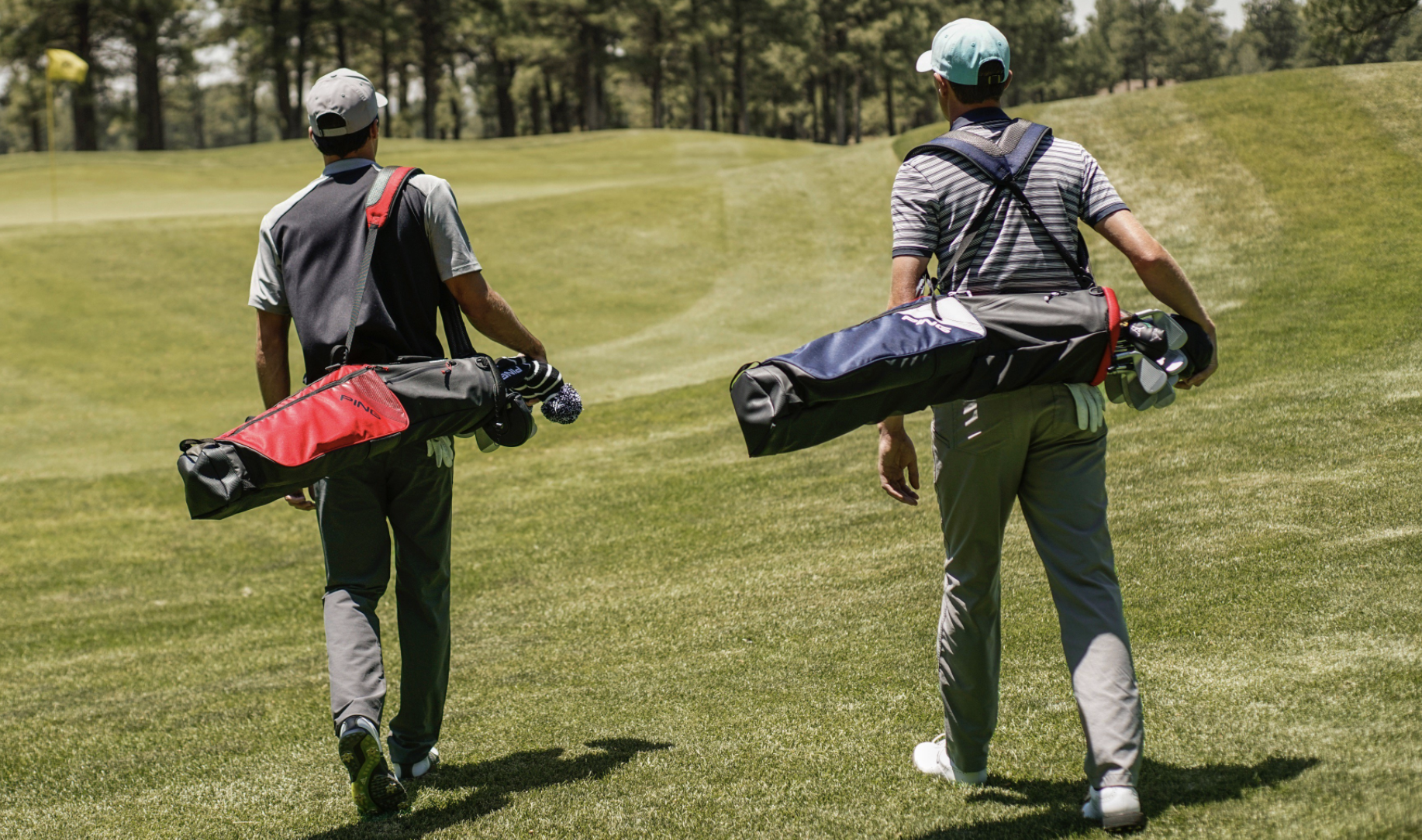
Image Source: www.golfwrx.com
Why Use a Single Strap?
Some golfers love carrying their bags. It keeps them moving. A single strap offers specific perks. It can feel less restrictive than two straps. It lets you quickly pick up and drop your bag. It’s the traditional way many walkers carried their clubs for years.
However, a single strap can also cause problems. It puts all the weight on one shoulder. This can lead to pain or fatigue if you don’t do it right. Learning how to shoulder golf bag correctly with one strap is key.
Advantages of One Strap Carry
- Quicker Access: Easy to grab and put down the bag.
- Less Gear: Often used with lighter bags, meaning less stuff to carry.
- Feels Natural: Some golfers just prefer how it swings.
- Classic Feel: It’s how the game was often played.
Drawbacks of One Strap Carry
- Uneven Weight: All weight on one side of your body.
- Potential Pain: Can cause shoulder, neck, or back strain.
- Less Stable: Bag can swing more while walking.
- Requires Technique: Needs proper balancing a golf bag.
Choosing the Right Bag
Not all golf bags are good for single strap carry. The best bags are often lightweight and designed for walking. A golf stand bag single strap setup is very common. These bags have legs that pop out when you set them down. This saves your back from bending over.
Look for bags made for carrying. They are usually lighter than cart bags. They have just enough pockets for essentials. Carrying a light golf bag makes a big difference in comfort. A one strap stand bag is often the best choice for this method.
Bag Features to Look For
- Lightweight Design: The less the bag weighs empty, the better.
- Good Stand Mechanism: Legs should be sturdy and easy to use.
- Balanced Construction: The bag should hang well when lifted.
- Comfortable Strap: A thick, padded strap helps a lot.
- Enough, But Not Too Many Pockets: Avoid filling too many pockets with heavy items.
Table: Bag Types for Single Strap Carry
| Bag Type | Weight | Best Use Case | Strap Type Often Has | Suitable for Single Strap? |
|---|---|---|---|---|
| Ultra-Light Carry | Very Light | Walking, Minimal Gear | Single or Dual | Yes, ideal |
| Stand Bag | Medium-Light | Walking, More Gear Pockets | Dual (Often convertible) | Yes, common |
| Cart Bag | Heavy | Riding in a cart | Single (Often thin) | No, generally too heavy |
| Tour Bag | Very Heavy | Professional/Cadie Carried | Single (Thick) | No, designed for caddies |
For comfortable golf bag carry with one strap, stick to ultra-light or stand bags. Cart bags and tour bags are usually too heavy for this method.
Mastering the Carry Technique
How to shoulder golf bag with one strap is more than just putting it on. It involves a smooth motion and finding the right balance. The goal is to make balancing a golf bag easy while you walk.
Step-by-Step Carry Method
- Approaching the Bag: Stand facing the handle area of your bag. Your feet should be close to the bag’s side.
- Gripping the Handles: Most stand bags have two handles. One is usually near the top cuff. The other might be lower down, near the stand mechanism. Use both hands to lift the bag slightly.
- Positioning the Bag: Lift the bag up and bring it close to your body. The club heads should be pointing up. The base of the bag points down.
- Slipping on the Strap: Use your dominant hand (or the hand closest to the strap) to guide the single strap onto your shoulder. The strap should rest on the padded part of your shoulder, not on your neck bone.
- Adjusting the Angle: Once the strap is on your shoulder, the bag will hang down your back. You need to adjust its angle. The base of the bag should point slightly back and down. The top should be angled slightly forward. This helps balance the bag. It keeps the club heads from hitting your back.
- Checking Balance: Feel how the weight sits. Is it pulling too much one way? A well-balanced bag feels stable. The weight is centered along your back.
- Starting to Walk: Begin walking slowly. Pay attention to how the bag moves. Does it swing wildly? Does it bounce too much? Good walking golf bag technique keeps the bag stable as you move.
Adjusting the Single Golf Bag Strap
Proper adjustment is crucial for comfortable golf bag carry. An incorrectly adjusted strap causes reducing golf bag shoulder strain. The strap should be tight enough to keep the bag high on your back but not so tight it digs into your shoulder.
Finding the Right Strap Length
- Too Long: If the strap is too long, the bag hangs low. The base might drag or hit your legs. The top will tip far forward. This puts strain on your shoulder as you try to pull it back.
- Too Short: If the strap is too short, the bag rides too high. It might feel jammed into your armpit or neck. The club heads could hit the back of your head. This is uncomfortable and awkward for balancing a golf bag.
- Just Right: The bag should sit comfortably on your mid-back. The top of the bag should be near your shoulder level. The base should be high enough that it doesn’t interfere with your stride. When you lift your arm, the strap should not feel like it’s cutting off circulation.
Most single straps have a buckle or slider for adjusting single golf bag strap length. Practice adjusting it with your loaded bag until it feels right. It might take a few tries on the course.
Strap Material and Padding
The strap itself matters. Look for a strap with:
- Thick Padding: More padding spreads the weight over a larger area. This feels softer on your shoulder.
- Non-Slip Material: Some straps have a grip material on the underside. This helps keep the strap from sliding off your shoulder while you walk.
- Width: A wider strap distributes weight better than a thin one.
A good strap design is a big part of comfortable golf bag carry.
Packing Smart: Reducing Weight and Balancing
What you put in your bag matters just as much as how you carry it. A heavy bag will always be harder to carry. Carrying a light golf bag is the first step to comfortable single-strap carry.
What to Pack (and Not Pack)
Only bring essentials when you plan to carry.
- Clubs: Only the clubs you need for the course. Do you really need a lob wedge and a gap wedge? Maybe skip the 5-wood if the course is short. (Still, most players carry all 14).
- Balls: A sleeve or two is plenty for most rounds. Don’t carry a dozen extra balls.
- Tees & Markers: A small handful.
- Gloves: One or two.
- Water/Snacks: Just enough for the round. Re-fill water bottles at the turn if possible.
- Rain Gear: A lightweight jacket if needed. Don’t carry full rain suits “just in case” on a sunny day.
- Other Stuff: First aid kit, divot tool, rangefinder. Keep these minimal and light.
Distributing Weight
Where you put things in the bag affects balancing a golf bag. Try to keep heavier items (like balls, water bottles) closer to the top of the bag or centered if possible.
- Pockets: Use lower pockets for lighter items like tees. Use upper pockets for balls and water.
- Clubs: Arrange clubs evenly. Don’t put all your heaviest clubs (drivers, woods) on one side of the bag. Use dividers if your bag has them to keep clubs from shifting too much.
- Weight Check: Lift the bag by its handle before putting it on your shoulder. See how it hangs. Does it lean heavily one way? Redistribute items to make it hang straight.
A well-packed bag feels balanced. This makes reducing golf bag shoulder strain much easier.
Walking Golf Bag Technique
How you walk with the bag also affects comfort. Good walking golf bag technique minimizes bouncing and shifting. It helps you maintain balance and reduces fatigue.
Maintaining Posture
- Stand Tall: Don’t hunch over to compensate for the weight. Keep your back straight.
- Engage Core Muscles: Your core helps stabilize your body. Use your stomach muscles slightly.
- Shoulder Position: Keep the shoulder with the strap relaxed but firm. Don’t let it slump forward.
The Swing
- Controlled Movement: As you walk, the bag will swing slightly. Keep this swing controlled. Don’t let it bounce wildly or hit your legs hard with each step.
- Finding a Rhythm: Get into a walking rhythm. The bag will move with you. A consistent pace helps.
- Switching Shoulders (Optional): If your single strap bag allows (some have attachment points for left or right carry), consider switching shoulders occasionally during the round. This balances the load over time, which can help with
reducing golf bag shoulder strain. However, some single strap bags are designed to be carried on one specific shoulder only.
Practice your walking golf bag technique during practice rounds or even around your yard. Get a feel for how the bag moves.
Physical Preparation
Carrying a golf bag, even a light one, is exercise. Being in decent shape helps make comfortable golf bag carry much easier. Stronger muscles can handle the load better, leading to reducing golf bag shoulder strain.
Helpful Exercises
- Shoulder Strength: Exercises like shoulder presses or lateral raises build shoulder muscles.
- Back Strength: Rows and pull-ups strengthen your back, which supports the weight.
- Core Strength: Planks and twists build core stability. A strong core helps with
balancing a golf bag. - Walking Endurance: Simply walking regularly improves your ability to walk 18 holes with weight.
Stretching
Stretching before and after your round can help prevent stiffness and soreness in your shoulder, back, and hips.
- Shoulder Stretches: Gentle arm circles, cross-body stretches.
- Back Stretches: Cat-cow pose, gentle twists.
- Hip Flexor Stretches: Carrying can tighten hip flexors.
Regular exercise and stretching make how to shoulder golf bag for a full round much more manageable.
Common Mistakes and How to Fix Them
Even with a good bag and technique, problems can arise. Here are common issues with single strap carry and how to fix them for comfortable golf bag carry.
| Problem | Cause | Solution |
|---|---|---|
| Shoulder Pain | Strap too tight, bag too heavy, poor posture, lack of muscle strength | Adjusting single golf bag strap, lighten bag, improve posture, strength training |
| Bag Bounces While Walking | Bag angle wrong, strap too long, poor walking golf bag technique | Adjust strap length, adjust bag angle on back, focus on smooth walk |
| Bag Tips Forward/Backward | Poor packing weight distribution, strap length, bag design | Re-pack the bag, adjust strap length, ensure bag is designed for carry |
| Neck Pain | Strap on neck bone, bad posture, bag weight pulling head down | Ensure strap is on padded shoulder, keep head up, check bag weight |
| Bag Slips Off Shoulder | Strap material slick, strap angle wrong, bag angle on back wrong | Look for straps with grip, adjust bag angle on back for better hold |
| Tired Too Quickly | Bag too heavy, not fit enough, poor technique | Carrying a light golf bag, improve fitness, refine walking technique |
Addressing these issues helps achieve reducing golf bag shoulder strain and overall comfort. Pay attention to how your body feels and make adjustments as needed.
When to Use One Strap Versus Two
Most modern stand bags come with dual straps. They can often be converted to a single strap setup. So, when should you use one vs. two?
- Single Strap: Good for quick rounds, relatively flat courses, when you prioritize speed and quick access to the bag. Best with lighter loads. Ideal for golfers who have practiced
how to shoulder golf bagwith one strap and are comfortable with it. - Dual Strap: Spreads the weight over both shoulders. Generally more comfortable for longer rounds, hilly courses, or when carrying a heavier load. Better for
balancing a golf bagover longer distances with less effort on one side of the body. It offers more stability while walking.
The choice depends on your personal preference, the course layout, and how much gear you’re carrying. If you mostly use a cart but occasionally walk, a dual strap bag convertible to a single strap might offer the most flexibility. If you exclusively walk and prefer the feel, a dedicated one strap stand bag might be your choice.
Maintaining Your Bag and Strap
Keeping your equipment in good shape ensures it performs well. This includes your single strap carry golf bag and its strap.
- Clean the Bag: Dirt and debris can add weight and wear down materials. Wipe down your bag regularly.
- Check the Strap: Inspect the strap and its connection points often. Look for fraying, tears, or loose stitching. A worn strap can break or become uncomfortable.
- Inspect Buckles/Adjusters: Make sure the strap adjustment mechanism works smoothly and holds the strap firmly.
- Check Stand Legs: Ensure the legs extend and retract properly. Lubricate joints if needed. Wobbly legs make setting the bag down awkward.
- Empty Pockets: Don’t leave trash, old scorecards, or excessive items in pockets. This adds weight and clutter.
Proper maintenance prolongs the life of your golf stand bag single strap and keeps it in condition for comfortable golf bag carry.
In Summary
Carrying a golf bag with one strap is a classic way to play. It offers speed and a connection to the game. However, it requires the right approach to be comfortable and avoid strain.
- Choose a lightweight bag, ideally a
one strap stand bagor convertible. - Learn
how to shoulder golf bagsmoothly and find the right angle on your back forbalancing a golf bag. - Master
adjusting single golf bag straplength for optimal positioning. - Keep the bag light by
carrying a light golf bagand packing smart. - Develop a good
walking golf bag technique. - Stay physically fit to help with
reducing golf bag shoulder strain.
By following these steps, you can enjoy walking the course with your single strap carry golf bag without pain, focusing instead on your game.
Frequently Asked Questions (FAQ)
Q: Is a single strap bad for my back?
A: Carrying weight on one side can potentially cause uneven strain over time, especially if the bag is heavy or the technique is poor. Using a lightweight bag, proper carrying technique, and good posture can help reduce this risk. Switching shoulders (if your bag allows) can also distribute the load.
Q: How heavy should my golf bag be for one-strap carry?
A: For comfortable single strap carry, aim for the lightest bag possible. Many dedicated carry bags weigh under 4 lbs empty. Fully loaded, try to keep the total weight under 20-25 lbs if possible, especially for a full 18 holes. Carrying a light golf bag is crucial.
Q: Can I convert my dual-strap bag to a single strap?
A: Many modern stand bags with dual straps have conversion options. Look for instructions from the bag manufacturer. Sometimes it involves unclipping one strap and re-clipping it to a different loop. Check your specific bag’s design.
Q: Where should the single strap rest on my shoulder?
A: The strap should rest on the padded part of your shoulder, slightly towards the outside (away from your neck). Avoid letting it sit directly on your collarbone or neck bone. Proper adjusting single golf bag strap length helps achieve this position.
Q: How high should the bag sit on my back?
A: The base of the bag should be high enough that it doesn’t hit the back of your legs as you walk. The top of the bag should be roughly around your shoulder level or slightly lower. It should feel balanced on your back, not dragging or tipping excessively. This helps with balancing a golf bag.
Q: My shoulder still hurts. What should I do?
A: Re-check your bag’s weight and your packing. Ensure the strap adjustment is correct and padding is sufficient. Focus on your posture and walking technique. If pain persists, consider switching to a dual strap bag or using a golf cart, and consult a doctor or physical therapist. Reducing golf bag shoulder strain might require changing how you carry or strengthening your body.