
How does fantasy golf work? It’s a fun game where you pick real-life golfers and earn points based on how well they play in actual tournaments. Can anyone play? Yes, anyone can join a league or contest online. Who can you pick? You typically choose from the golfers playing in a specific tournament, often on the PGA Tour, but other tours are sometimes available.
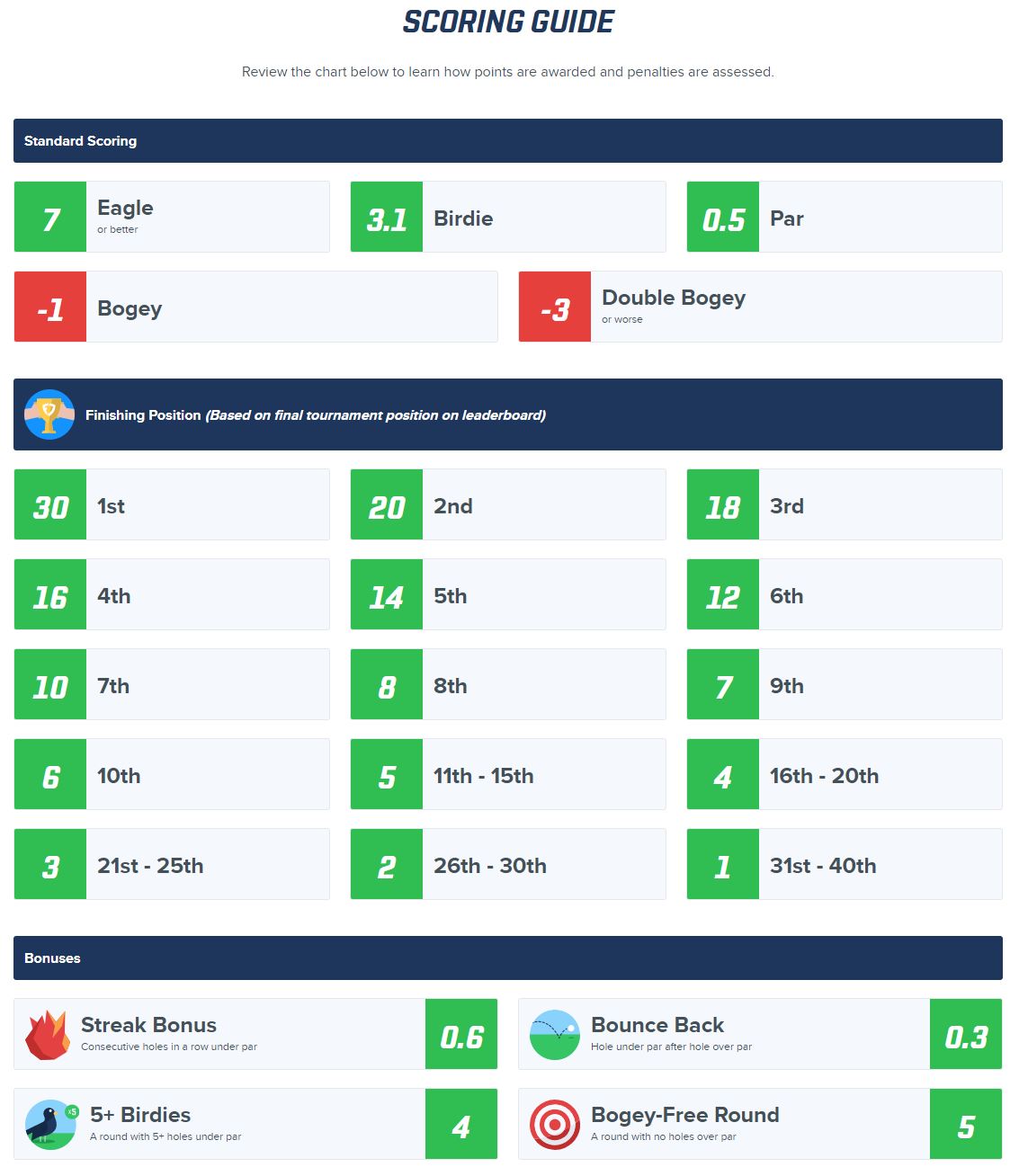
Image Source: www.golfsw.com
Figuring Out the Basics
Fantasy golf lets you become a virtual team owner. You select a group of golfers, and their real-world performance translates into points for your fantasy team. The goal is simple: score more points than others in your league or contest. This means you need to watch golf, know the players, and make smart picks.
Fantasy Golf Scoring Explained
The heart of fantasy golf is how points are given out. This is often called the fantasy golf points system or fantasy golf scoring. Points are usually awarded for a golfer’s finish position and specific stats during the tournament rounds. Different sites and leagues might use slightly different systems, but the general idea is similar.
How Points Accumulate
Points are earned based on performance in the actual golf tournament, from Thursday’s first round to Sunday’s final putt. Here’s a common way points add up:
- Finish Position: This is the biggest way to score. Higher finishes mean more points. Winning gives you the most points. Second place gets fewer, third gets fewer still, and so on. Even making the cut and finishing in the top 50 or 60 can earn points.
- Performance in Rounds: Some systems also give points for scores within a round.
- Birdie (one stroke under par on a hole): Earns points.
- Eagle (two strokes under par on a hole): Earns more points than a birdie.
- Albatross (three strokes under par on a hole): Earns the most points per hole.
- Par (scoring equal to par on a hole): May earn a small number of points or none.
- Bogey (one stroke over par on a hole): May lose points or earn none.
- Double Bogey or Worse (two or more strokes over par): Usually loses points.
- Streaks: Some formats give bonus points for making many birdies in a row or scoring very low on certain holes.
- Cut: Making the cut (playing all four rounds) is crucial. Golfers who miss the cut usually score zero points or even negative points for the last two rounds.
Here is a simple example of a points system:
| Action/Finish | Points Awarded |
|---|---|
| Win Tournament | 30 |
| 2nd Place | 20 |
| 3rd Place | 18 |
| 4th Place | 16 |
| 5th Place | 14 |
| … | … |
| 10th Place | 10 |
| … | … |
| 20th Place | 5 |
| … | … |
| 50th Place | 1 |
| Made the Cut | 1 |
| Birdie (per hole) | 0.5 |
| Eagle (per hole) | 2 |
| Albatross (per hole) | 5 |
| Par (per hole) | 0 |
| Bogey (per hole) | -0.5 |
| Double Bogey+ (per hole) | -1 |
Remember, this is just an example. Each platform or league can set its own scoring rules. Checking the specific rules of your contest is always important. Knowing the fantasy golf points system helps you choose players who not only finish high but also make lots of birdies or avoid bogeys, depending on what the scoring favors.
Different Styles of Fantasy Golf Games
Fantasy golf comes in different shapes and sizes. The main types depend on how long the contest runs and how you pick your team.
Playing Daily Fantasy Golf
Daily fantasy golf rules cover contests that usually last for one tournament, typically starting on Thursday and ending Sunday. This is the most popular type on many major sports fantasy sites.
How Daily Fantasy Works
- Contest Selection: You pick a contest to join. These vary by entry fee, prize structure (how winnings are paid), and the number of people playing.
- Building Your Roster: You get a fixed budget, a fantasy golf salary cap. Every golfer in the tournament has a price tag based on their skill, recent form, and popularity. Top players cost the most. You must pick a team of usually six golfers while staying under the salary cap.
- Tournament Play: As the real tournament happens, your chosen golfers earn points based on the specific scoring system of the contest.
- Winning: At the end of the tournament, the teams with the most points win prizes.
Daily Fantasy Golf Rules Key Points
- Salary Cap: Your budget limits which top players you can pick. You can’t just fill your team with the most expensive golfers. You need to find value.
- Roster Size: Usually six golfers. All their scores add up.
- No Cuts: Most daily fantasy contests use the scores of all six golfers you pick, even if they miss the cut. However, golfers who miss the cut stop earning points after Friday, which hurts your team score greatly. This is a crucial rule to remember.
- Contest Variety: There are many types:
- Guaranteed Prize Pools (GPPs): Large contests with big prize pools, but many players compete, making them harder to win. High risk, high reward.
- Cash Games: Smaller contests like “50/50s” (top half win a fixed payout) or “Head-to-Heads” (one on one against another player). Lower risk, more consistent payouts.
- Leagues: Private contests you can set up with friends.
Daily fantasy golf is fast-paced and requires good knowledge of the current week’s tournament and players. It’s a popular way to get into fantasy golf quickly.
Playing in PGA Fantasy Golf Leagues
Beyond daily fantasy, you can join leagues that last for a whole season or specific parts of the PGA fantasy golf leagues schedule. These often feel more like traditional fantasy sports.
Different League Formats
- Season-Long Leagues: These cover most of the PGA Tour season. You pick a team at the start and manage it throughout the year.
- Segment Leagues: Cover specific parts of the season, like the FedExCup Playoffs or just the major tournaments.
- Commissioner Leagues: These are private leagues set up by a group of friends or people online. The league commissioner sets the rules, scoring, and schedule.
How to Draft Fantasy Golf Team (Draft Leagues)
One common way to pick your team in season-long or segment leagues is through a draft. This is different from the salary cap method.
- Draft Order: The order in which players pick golfers is set, usually randomly at the start.
- Picking Players: Owners take turns picking golfers until everyone has a full roster (the size varies by league rules). Once a golfer is picked, no one else can have them.
- Roster Management: Throughout the season or segment, you might be able to make trades with other teams or pick up free-agent golfers who weren’t drafted.
- Scoring: Points are earned weekly based on your drafted golfers’ performance in the tournaments that count for the league. Total points over the season determine standings.
Draft leagues require more commitment and strategy over a longer period. You need to think about player consistency, injury risk, and when certain players peak during the season. Building your team in a draft is about selecting players before others can take them, forcing you to make tough choices.
Combining Formats
Some platforms might offer games that mix ideas, like picking golfers for a smaller series of events with a salary cap that resets or changes. Fantasy golf tournaments often refer to the real golf events (like The Masters, The Open Championship) that your fantasy points are based on. Contests can focus on just one big tournament or a series of smaller ones.
How to Pick Your Fantasy Golf Team
Choosing which golfers to put on your roster is a critical step. Whether you’re working with a fantasy golf salary cap or participating in a draft, your picks decide your fate.
Building a Salary Cap Roster
With a salary cap, you need to balance top-tier talent with cheaper golfers who can still perform well. This is where knowing the market prices and finding “value plays” is key.
- Start with a Structure: Decide how many expensive, middle-priced, and cheaper golfers you want. A common structure is 2-3 top guys, 2-3 middle players, and 1-2 cheaper options.
- Research Players: Look at recent performance, course history (how well they’ve played at this specific course before), current form, and stats that match the course (e.g., good putters on courses with tough greens, long hitters on long courses).
- Check Injury News: Make sure your chosen players are healthy and definitely playing.
- Look at Course Fit: Some golfers play better on certain types of courses. Does the course favor accuracy, driving distance, putting, or approach shots?
- Find Value: Which golfers are priced lower than they should be based on their potential this week? These can be golfers returning to form, playing a course they love, or simply mispriced by the site.
- Build Multiple Teams (Daily Fantasy): For large contests, many players create several different teams to spread their risk and increase their chances.
Drafting Your Fantasy Golf Team
Draft leagues involve a direct competition with other owners for players.
- Know Your League’s Rules: How many golfers per team? What is the scoring system? Are there position requirements?
- Develop a Draft Strategy: Will you grab the top-ranked players early? Will you focus on consistent performers? Will you try to find breakout players?
- Create a Player Ranking: Make your own list of players you want, ordered by how valuable you think they are for the season or segment.
- Be Ready for Surprises: Other owners will pick players you want. Be flexible and have backup options ready.
- Consider Consistency: In long leagues, picking players who consistently make cuts and earn points is often safer than relying on boom-or-bust players.
No matter the format, picking your team requires research and a plan. It’s not just about picking popular names; it’s about building a team that can score well given the specific rules and tournament conditions.
Fantasy Golf Strategy Tips
To improve your chances, simply picking names isn’t enough. You need strategy. Here are some fantasy golf strategy tips and ideas on how to win fantasy golf.
Research is Your Best Friend
- Player Form: How have golfers played in their last few tournaments? Are they trending up or down?
- Course History: How has a golfer performed at the specific course being played this week? Some players have courses they dominate.
- Course Characteristics: Is the course long or short? Does it have tricky greens? Is accuracy off the tee important? Does it usually rain? Match players whose skills fit the course.
- Stats that Matter: Look at stats relevant to the course. Driving accuracy, strokes gained putting, strokes gained approach, and bogey avoidance are often key.
- Tournament Context: Is it a major? A regular event? The week after a major? This can affect who is playing and how they perform.
Managing Your Salary Cap (Daily Fantasy)
- Find Value: Don’t just pick the most expensive players. Look for golfers who are underpriced but have a good chance to perform well.
- Balance Risk: A team of six very cheap players might miss the cut and score low. A team of six very expensive players might go over budget. Mix high-priced stars with mid-range and cheaper players who have good potential.
- Ownership Percentage: In large contests, many players pick the same popular golfers (“chalk”). Picking a less popular player who performs well can give you an edge over the field.
Strategy for Draft Leagues (Season-Long)
- Know the Scoring: Does your league heavily reward birdies, or is consistency and making cuts more important? Draft players who fit the scoring system.
- Think Long Term: Don’t just pick players based on one good week. Look at their performance over a season.
- Manage Your Roster: Use trades and free agency wisely to replace underperforming players or target players who are heating up.
- Plan for Majors: Some players peak for the major tournaments. Knowing when your drafted players are likely to perform best can be helpful.
General Tips for Success
- Watch Golf: The more you watch, the more you learn about players’ swings, confidence, and how they handle pressure.
- Stay Updated: Follow golf news, read analysis, and check weather forecasts for the tournament location.
- Don’t Get Emotional: Don’t pick players just because they are your favorites. Make choices based on data and research.
- Learn from Your Results: See which types of players and strategies worked or didn’t work in past contests or weeks.
Winning fantasy golf is a mix of skill, research, and a little bit of luck. By using good strategy and doing your homework, you can greatly improve your chances.
Where to Play Fantasy Golf
Ready to start playing? There are several best fantasy golf sites and platforms where you can join contests and leagues.
Popular Daily Fantasy Golf Sites
- DraftKings: One of the biggest names in daily fantasy sports. They offer contests for almost every PGA Tour event, including large GPPs and smaller cash games. They use a salary cap system.
- FanDuel: Another major daily fantasy site with a similar salary cap format for golf contests. They also cover PGA Tour events weekly.
Sites for Season-Long & Draft Leagues
- ESPN: Often runs free season-long fantasy golf leagues using a draft format. You can create private leagues with friends.
- Yahoo Sports: Another platform that commonly hosts free season-long fantasy golf leagues, often with draft or salary cap options.
- CBS Sports: Provides options for both free and paid fantasy golf leagues, including custom settings for commissioners.
- Sleepers & Smaller Sites: Some smaller sites or platforms might offer unique fantasy golf formats or private league hosting.
When choosing a site, consider the types of games offered, the scoring system, the entry fees and prizes, and the user experience. Many sites focus primarily on daily fantasy golf, while others are better for longer season-long leagues.
Diving Deeper: Specific Tournament Types
Fantasy golf tournaments can mean two things: the real-life golf events you earn points from, or the fantasy contests you join. Let’s look at how different real-life tournaments might impact your fantasy strategy.
Regular PGA Tour Events
These make up most of the season. Strategy often involves finding consistent players, course specialists, and value picks within the salary cap. Field strength can vary, impacting player pricing and potential scores.
Major Championships
- The Masters
- PGA Championship
- U.S. Open
- The Open Championship (British Open)
Majors feature the strongest fields. Top players are usually priced very high in salary cap games. Strategy might involve focusing on players who perform well under pressure or have a history of contending in majors. Making the cut is harder, so picking players likely to play all four rounds is often smart.
Playoff Events (FedExCup)
These tournaments have limited fields of top-performing players from the season. With no cut (usually) and only the best players, strategy shifts. You might focus on hot players or those known for playing well in high-stakes events. Salary cap prices are usually higher across the board.
Team Events
Events like the Ryder Cup or Presidents Cup are different. Fantasy contests for these events might have unique rules, like picking pairings or focusing on match results rather than stroke play scores.
The type of real-life tournament affects player availability, field strength, course conditions, and often the fantasy scoring or roster rules for the contests tied to it. Knowing the specific daily fantasy golf rules or league rules for the week’s event is always step one.
Building a Competitive Edge
Beyond the basic strategies, what else can help you succeed?
Comprehending Player Statistics
Numbers tell a story in golf. Looking beyond just scoring average is important.
- Strokes Gained: This is a modern way to measure performance compared to the field. It breaks down how many strokes a player gains or loses in different parts of the game: Off-the-Tee, Approach, Around-the-Green, and Putting. Matching a player’s strong “Strokes Gained” areas to the course demands is a powerful strategy tip.
- Example: On a course with small, tough greens, players good at “Strokes Gained: Approach” and “Strokes Gained: Around-the-Green” might perform well.
- Driving Distance vs. Driving Accuracy: Some courses reward hitting it far, others reward hitting it straight. Know the course and pick players accordingly.
- Proximity to Hole: How close does a player hit their approach shots? Closer means more birdie chances.
- Bogey Avoidance: Some players limit mistakes better than others, which is crucial in scoring systems that penalize bogeys.
Fathoming Course Details
Don’t just know which course is being played, know about the course.
- Par: Is it a Par 70, 71, or 72? This affects the total score potential and how many birdies/eagles might be made.
- Length: Long courses favor long hitters, short courses can level the field.
- Difficulty: Is it known for being easy or hard? This impacts expected scores and cut lines.
- Greens: Are they fast or slow? Flat or bumpy? What type of grass? Putting performance can change based on the greens.
- Hazards: Are there lots of water hazards or deep bunkers? Players who avoid trouble will shine.
Mastering Roster Construction
Whether salary cap or draft, how you build the overall team matters.
- Correlation: In daily fantasy, consider how players might perform together. Sometimes picking players in the same tee time wave might offer a small edge if weather favors that wave. More commonly, ensure your players fit the course type.
- Stacking: In daily fantasy, picking several players from the same tournament wave or even the same few golfers across multiple lineups can increase potential wins if those players do very well. This is riskier but can lead to big payouts in GPPs.
- Making the Cut: For formats where only players making the cut score over the weekend, prioritizing players likely to make the cut is essential. This is less important on sites where all players score, but missing the cut still stops point scoring early.
Grasping these deeper points can elevate your game beyond basic player selection and significantly improve your how to win fantasy golf approach.
Putting It All Together: Your First Steps
So, you know the basics of how does fantasy golf work. What next?
- Choose Your Game: Decide if you want to play daily fantasy for quick action or a season-long league for ongoing fun.
- Pick a Site: Select one of the best fantasy golf sites that offers the game type you want.
- Join a Contest/League: Find a contest with an entry fee you’re comfortable with or join a public or private league.
- Research Players: Use the tips above to study the golfers playing in the upcoming tournament.
- Pick Your Team: Build your roster based on the rules (salary cap or draft) and your research.
- Follow the Tournament: Watch the real-life golf to see how your team is doing and track your points using the fantasy golf scoring or fantasy golf points system of your contest.
- Review and Learn: After the tournament, look at your results. What worked? What didn’t? Use this to get better next time.
Fantasy golf is a great way to make watching golf even more exciting. With a little research and understanding of the rules, you can easily get started and compete for prizes or just bragging rights with friends in your PGA fantasy golf leagues. It truly is easier than you might think!
Frequently Asked Questions
Q: Do I have to pay to play fantasy golf?
A: No, not always. Many sites offer free contests or leagues where you can play for fun without risking money. Paid contests and leagues are also available, with various entry fees and prize levels.
Q: What is the cut in golf?
A: In most stroke play tournaments, after the first two rounds (36 holes), only players within a certain number of strokes of the lead and ties for a specific position (usually top 60-70) continue to play the final two rounds on the weekend. This is called “making the cut.” Players who don’t make the cut are eliminated.
Q: How long does a fantasy golf contest last?
A: Daily fantasy contests typically last for one real-life tournament (usually Thursday to Sunday). Season-long leagues can last for the entire PGA Tour season or specific segments.
Q: Can I change my team after the tournament starts?
A: In most daily fantasy games, you cannot change your roster once the first golfer in the tournament tees off. In season-long leagues, rules vary, but you can usually make roster moves (like trades or free-agent pickups) between tournaments, not during them. Check your specific league rules.
Q: What happens if a golfer I picked withdraws?
A: If a golfer withdraws before the tournament starts, some sites allow you to replace them. If they withdraw after starting, they usually score 0 points for the holes or rounds they miss and may hurt your team score significantly, especially in daily fantasy formats. Again, check the specific rules of your contest.
Q: Is fantasy golf legal?
A: In many places, yes. Daily fantasy sports, including golf, is considered a game of skill and is legal in most US states and many other countries. However, laws vary, so check the rules for your location and the site you are using.