
How To Winterize Golf Cart: A Complete & Simple DIY Guide.
Winterizing your golf cart means getting it ready for cold weather and long storage. This protects it from damage, saves you money on repairs, and makes sure it starts easily next spring. This guide will show you how to do it simply yourself. It covers all types of golf carts, including how to handle golf cart battery winter storage, steps for electric golf cart winterization, and what to do for gas golf cart winterization. You will learn how to prepare your cart for storing golf cart for winter, follow important golf cart winter care tips, and use items like fuel stabilizer for golf cart. We will also talk about a golf cart battery tender, give you a winterizing golf cart checklist, explain why covering golf cart for winter is key, and discuss golf cart tire pressure winter needs.
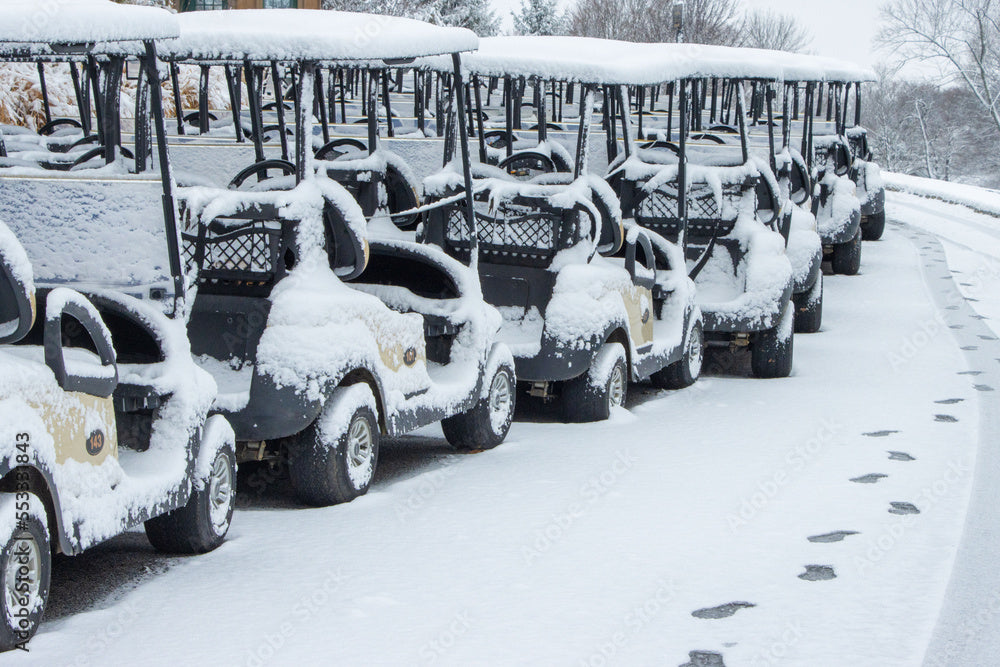
Image Source: cuttingedgegolfcarts.com
Readying Your Golf Cart for Cold Months: A Detailed Approach
When winter arrives, your golf cart often sits unused for many weeks or months. This time can be tough on its parts. Cold weather can hurt batteries. Moisture can cause rust. Sitting still can flatten tires. Dirt and dust can build up. By taking a few steps now, you can avoid big problems later. Winterizing is not just a good idea; it is a smart way to protect your investment. It helps your golf cart stay in good shape and last longer. When spring comes, you will want your cart to start right up, ready for the first tee time. Proper care now makes that happen.
General Steps for Every Golf Cart
Before you look at steps for electric or gas carts, some things apply to all golf carts. These first steps are key for any model you own.
Clean Your Cart Well
Give your golf cart a good, thorough cleaning. This is more than just making it look nice. Dirt, grass clippings, and mud can hold moisture. This moisture can lead to rust or corrosion over time.
- Wash the outside: Use mild soap and water. Clean the body, seats, and wheels. Rinse it very well. Make sure no soap is left behind.
- Clean the inside: Vacuum or sweep out any loose dirt or debris. Wipe down the dashboard and storage areas.
- Look under the cart: Check the frame and undercarriage. Clean off any mud or dirt that has built up.
- Let it dry: Let the cart dry completely before you store it. Water trapped in small spaces can freeze or cause rust. You can use towels or a leaf blower to speed this up.
Handle Tires With Care
Tires can lose air pressure over time, especially in cold weather. If a golf cart sits with low tire pressure, flat spots can form. These flat spots can make the ride bumpy and wear out your tires faster.
- Check tire pressure: Use a tire gauge. Inflate all tires to the pressure suggested in your owner’s manual. This is usually around 18-22 PSI, but always check your specific model. Keeping golf cart tire pressure winter ready means inflating them to the proper level.
- Over-inflate slightly: Some people add a few extra PSI (2-3 PSI above the recommended amount) to help prevent flat spots. This is optional, but it can be helpful. Just remember to lower the pressure back to normal before you drive it in spring.
- Lift the cart (if possible): If you can, lift the cart on jack stands. This takes all weight off the tires. This is the best way to prevent flat spots. Place the jack stands under the frame, not the axles, for safety. Make sure the cart is stable.
- Move the cart a little: If you cannot lift the cart, move it a few feet every month. This shifts the weight on the tires. It also helps stop flat spots from forming.
Covering Your Golf Cart for Winter
A good cover is very important for protecting your golf cart. It keeps dust, dirt, and moisture away. It also protects against pests.
- Choose the right cover: Use a cover made for golf carts. It should be breathable to stop moisture from getting trapped. A waterproof cover is good, but it must also allow air to move. Many golf cart covers are made from strong, woven materials.
- Secure the cover: Make sure the cover fits snugly. Tie it down if needed, especially if your storage area gets windy. This stops it from blowing off or flapping around.
- Store indoors: The best place to store your golf cart is indoors. A garage, shed, or barn protects it from direct snow, rain, and ice. If you must store it outside, a high-quality, weatherproof cover is even more important.
Secure the Parking Brake
When you store your cart, do not just leave the parking brake on for months. This can cause the brake cables to stretch or even seize up.
- Block the wheels: Place wheel chocks or blocks in front and behind the wheels. This holds the cart in place.
- Release the parking brake: Once the wheels are blocked, release the parking brake. This takes the tension off the cables.
Rodent and Pest Prevention
Mice, rats, and other pests love warm, dark places. Your golf cart can be a perfect home for them during winter. They can chew wires, build nests, and cause a lot of damage.
- Block openings: Cover any small openings on the cart. Steel wool works well for exhaust pipes on gas carts. Small mesh screens can cover vents.
- Clean thoroughly: A clean cart is less inviting to pests. Make sure no food crumbs are left inside.
- Use repellents: Place mouse traps, sticky traps, or rodent repellent packets inside the cart and around it. Mothballs are also a common choice, but use them in moderation.
- Check regularly: Even with steps, pests can still find a way in. Check your cart every few weeks during storage.
Electric Cart Care for Winter
Electric golf carts need special care for their batteries. This is the most important part of electric golf cart winterization. Improper golf cart battery winter storage can ruin them.
Battery Power for Electric Carts
Batteries are the heart of an electric golf cart. Cold weather and long periods of not being used can damage them badly.
- Clean battery terminals: Before storage, clean all battery terminals. Use a wire brush and a mixture of baking soda and water (about 1 cup baking soda to 1 gallon water). This removes corrosion. Rinse with clean water and let them dry. Then, put a thin layer of battery terminal protector or grease on them. Clean terminals help maintain a good charge.
- Check water levels (for flooded lead-acid batteries): If your golf cart has flooded lead-acid batteries, check the water level in each cell. Add distilled water if needed, just enough to cover the plates. Do not overfill. Do this before charging.
- Fully charge batteries: Charge your batteries completely before storing the cart. A full charge helps prevent the battery plates from hardening (sulfation), which can happen when batteries sit low on charge for a long time. Sulfation reduces battery life and power.
- Disconnect batteries (optional but advised): For very long storage, disconnect the main battery pack. Disconnect the negative cable first, then the positive cable. This stops any small power drain that could slowly empty the batteries. Make sure you know how to connect them back correctly later. Mark the cables if it helps.
- Use a Golf Cart Battery Tender: This is perhaps the most vital step for electric golf cart winterization. A battery tender (also called a smart charger or maintainer) keeps your batteries at a full charge without overcharging them. It turns on and off as needed. This is much better than letting batteries sit and slowly lose charge. Connect it and leave it on for the whole storage period. Some tenders can charge multiple batteries at once. Check the tender regularly to make sure it is working.
- Store in a warm place: Batteries like warmth. If possible, store your golf cart in a place where the temperature stays above freezing. Cold temperatures reduce battery capacity and can even damage them if they freeze when not fully charged. A fully charged battery is less likely to freeze, but warmth is always better.
- Do not let batteries drain: Never let electric golf cart batteries sit discharged for a long time. This is the fastest way to ruin them. Even a short period of full discharge can cause lasting damage.
Gas Cart Care for Winter
Gas golf carts have an engine and fuel system that need different care than electric ones. This part focuses on gas golf cart winterization.
Fuel System Health for Gas Carts
The fuel system is key for a gas golf cart. Fuel can go bad over time, causing engine problems.
- Add Fuel Stabilizer for Golf Cart: This is a critical step. Fuel stabilizer prevents gasoline from breaking down and creating varnish or gum in the fuel system. Old, bad fuel can clog carburetors and fuel lines.
- How to use: Add the correct amount of fuel stabilizer to a full tank of gas. Check the stabilizer product label for the right ratio.
- Run the engine: After adding the stabilizer, run the golf cart engine for 5-10 minutes. This makes sure the treated fuel moves through the fuel lines, fuel pump, and carburetor.
- Fill the fuel tank: It is best to fill the fuel tank completely. A full tank leaves less room for air. Less air means less moisture can build up in the tank. Moisture can lead to rust inside the tank.
- Turn off the fuel supply (if applicable): Some gas golf carts have a fuel shut-off valve. If yours does, turn it off after running the engine with the stabilizer. This stops fuel from flowing.
- Drain the carburetor (optional but good): For maximum protection, you can drain the carburetor bowl. This removes any fuel that might be sitting in the carburetor. Most carburetors have a drain screw at the bottom of the bowl. Place a container underneath to catch the fuel. Remember to close the screw tightly when done.
Engine Oil and Filter
Just like a car, your golf cart’s engine oil gets dirty over time. Old oil can contain acids and harmful particles.
- Change the oil and filter: It is a good idea to change the engine oil and oil filter before winter storage. Fresh oil protects the engine parts better during long periods of sitting. Old oil can settle and leave parts exposed.
- Use the type of oil recommended in your owner’s manual.
- Make sure the engine is warm when you drain the old oil. This helps it flow out better.
- Replace the oil filter too.
Air Filter
A clean air filter is important for the engine to breathe properly.
- Check or replace the air filter: Take out the air filter. Hold it up to a light. If you cannot see light through it, or if it looks very dirty, replace it. A clogged filter can let dirt into the engine.
Spark Plug
The spark plug is what makes the engine ignite the fuel.
- Remove and inspect the spark plug: Take out the spark plug. Look at it. If it looks worn, fouled, or burnt, replace it.
- Add a small amount of oil to the cylinder: This is a tip for long storage. With the spark plug out, put a teaspoon of engine oil into the spark plug hole. Then, slowly turn the engine over a few times (do not start it). This coats the cylinder walls and piston, protecting them from rust.
- Reinstall the spark plug: Put the spark plug back in and tighten it.
Coolant (if applicable)
Some gas golf carts have a liquid cooling system, just like a car.
- Check coolant level and antifreeze protection: If your cart has a radiator and uses coolant, check its level. Also, check its antifreeze protection level. Use an antifreeze tester to make sure it will protect against freezing temperatures in your area. If the level is low, or protection is weak, add more coolant/antifreeze mixture.
Your Winterization Plan: A Checklist
Having a clear list helps you remember every step. Use this winterizing golf cart checklist to make sure you do not miss anything.
General Steps (for all carts):
- [ ] Wash golf cart thoroughly.
- [ ] Let golf cart dry completely.
- [ ] Check and inflate golf cart tire pressure winter levels (add a few extra PSI if desired).
- [ ] Block wheels and release parking brake.
- [ ] Place rodent repellents.
- [ ] Cover the golf cart with a breathable cover.
Electric Golf Cart Specific Steps:
- [ ] Clean battery terminals.
- [ ] Check water levels in flooded batteries (add distilled water if needed).
- [ ] Fully charge batteries.
- [ ] Disconnect battery cables (optional).
- [ ] Connect a golf cart battery tender.
- [ ] Ensure batteries are stored in a warm area.
Gas Golf Cart Specific Steps:
- [ ] Fill the fuel tank completely.
- [ ] Add fuel stabilizer for golf cart.
- [ ] Run the engine for 5-10 minutes to circulate stabilized fuel.
- [ ] Turn off fuel supply valve (if present).
- [ ] Drain carburetor bowl (optional).
- [ ] Change engine oil and oil filter.
- [ ] Check/replace air filter.
- [ ] Remove spark plug, add oil to cylinder, then reinstall.
- [ ] Check coolant level and antifreeze protection (if applicable).
Keeping Your Cart Safe All Winter
Winterization is not just a one-time job. A little ongoing care during storage can make a big difference. These golf cart winter care tips will help.
- Check the Battery Tender: If you use a battery tender on an electric cart, check it weekly. Make sure it is still connected and working. Look for any warning lights.
- Check for Pests: Periodically look inside and around the cart for any signs of rodents or insects. Look for droppings, nests, or chewed wires. Replace repellents as needed.
- Air Circulation: If your storage area is enclosed, open a window or door occasionally to allow fresh air. This helps prevent stale air and moisture buildup.
- Keep it Covered: Make sure the covering golf cart for winter stays in place. If it shifts or tears, fix it quickly.
- Move Tires (if not lifted): If your cart is sitting on its tires, roll it forward or backward a few feet every month or so. This helps prevent flat spots.
Getting Ready for Spring
When winter finally ends, you will want to get your golf cart ready to use again.
- Electric Carts:
- Disconnect the battery tender.
- Reconnect battery cables (positive first, then negative).
- Check battery water levels again.
- Give the batteries a full charge if needed.
- Gas Carts:
- Turn on the fuel supply valve.
- Check all fluid levels (oil, coolant).
- Make sure the choke is working.
- All Carts:
- Check tire pressure and adjust to normal driving levels.
- Remove wheel chocks.
- Clean the cart again if it is dusty.
- Do a quick check of lights, brakes, and steering.
- Take it for a short, slow test drive before hitting the course.
Common Questions
Q1: How long does golf cart winterization take?
A1: Winterizing a golf cart usually takes about 1-3 hours. It depends on how much cleaning you do and if you perform all the gas or electric specific steps.
Q2: Can I skip winterizing my golf cart if I live in a mild climate?
A2: It is still a good idea. Even in mild climates, periods of inactivity can be harmful. Temperatures can drop unexpectedly, and pests are always a risk. Following the steps protects your cart better.
Q3: What happens if I do not winterize my golf cart?
A3: If you do not winterize, you risk serious damage. Batteries can die or freeze. Fuel can go bad and clog the engine. Tires can get flat spots. Pests can chew wires. These problems can be costly to fix.
Q4: Is it better to store a golf cart inside or outside?
A4: Storing golf cart for winter inside is always best. A garage or shed protects it from harsh weather, moisture, and extreme cold. If storing outside, a very good, weatherproof cover is a must.
Q5: Can I just start my gas golf cart every few weeks instead of using fuel stabilizer?
A5: Starting it occasionally can help circulate oil, but it does not fully prevent fuel from going bad. For proper fuel system protection during long storage, a fuel stabilizer for golf cart is highly recommended. Short runs also do not fully warm the engine, which can lead to moisture buildup.
Q6: Do lithium golf cart batteries need special winterization?
A6: Lithium batteries are different. They do not need distilled water checks. Many lithium batteries have internal protection that stops them from over-discharging. Check your specific lithium battery manual. Most suggest charging them to about 50-80% before storage and storing them in a place above freezing. A battery tender is usually not needed unless stated by the maker.
Taking the time to winterize your golf cart properly is a smart move. It saves you money and trouble in the long run. By following these simple steps, your golf cart will be ready and waiting for you when the warm weather returns.