
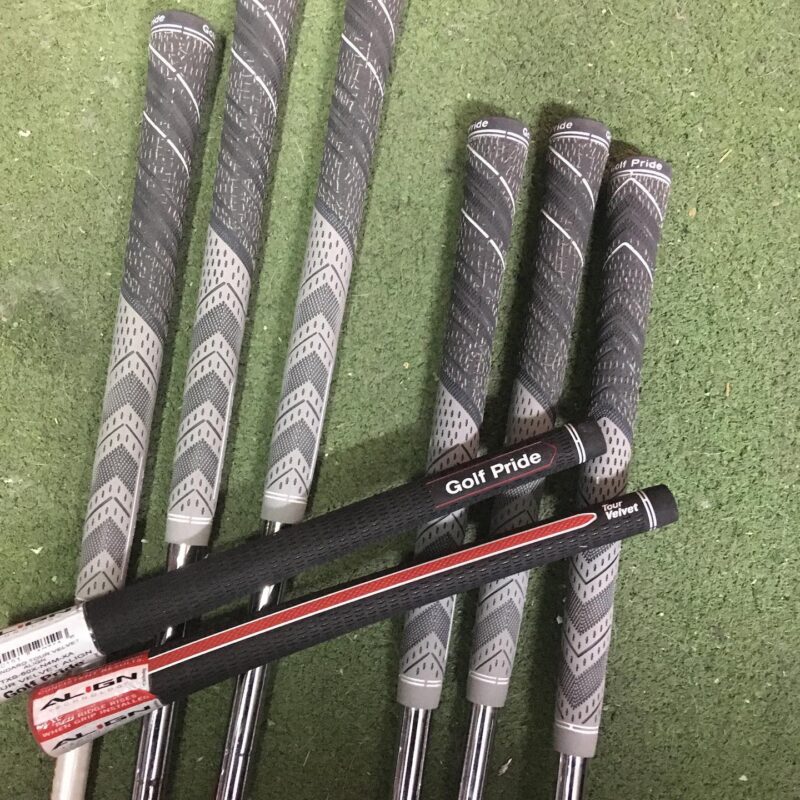
Image Source: highperformancegolf.com
How Often Change Golf Grips: Your Complete Guide
How often should you change your golf grips? Most players should plan to replace golf grips at least once a year, even if they don’t play very often. If you play regularly, practice a lot, or live in a hot, humid climate, you might need to regrip your golf clubs two or even three times a year. The golf grip lifespan is not forever; they wear out slowly, and worn golf grips can hurt your game without you even knowing it. Knowing when to replace golf grips is key to keeping your game sharp.
Why New Grips Make a Difference
Good grips are your only connection to the golf club. Think of them as the tires on a race car – they need to be in top shape for you to perform your best. The benefits of new golf grips are huge. They give you a firm, secure hold on the club. This lets you swing freely without feeling like the club might slip.
When your grips are fresh, you don’t have to squeeze the club so hard. This helps you stay relaxed in your hands and arms. A relaxed grip leads to a smoother swing, better clubhead speed, and more control over the ball. New grips also help you feel the club better through the swing, which improves your timing and touch, especially on chips and putts.
How Long Grips Really Last
So, how long do golf grips last? There’s no single answer because many things affect a golf grip lifespan. A good rule of thumb is every 30 to 40 rounds of golf or once a year, whichever comes first. But that’s just a guide. Some grips might wear out faster, others slower.
Here’s what makes grips wear out:
- How Often You Play: This is the biggest factor. Playing more rounds means more use, and more wear. If you hit the driving range a lot, that counts as wear too!
- Practice Time: Hitting balls on the range puts a lot of stress on your grips, often more than playing a round.
- Weather: Hot, humid weather and rain are tough on grips. Sweat and moisture break down the grip material faster.
- How You Hold the Club: If you have a very firm grip or sweaty hands, your grips will likely wear out quicker.
- Storage: Leaving clubs in a hot car trunk or a damp garage can damage grips. Keep them in a cool, dry place.
- Grip Material: Different materials wear differently. Softer grips often feel great but might not last as long as firmer ones.
Consider this table showing how often you might need to replace golf grips based on how much you play:
| How Often You Play | Suggested Regrip Frequency |
|---|---|
| Play 1 time a week | Once a year |
| Play 2-3 times a week | Every 6-8 months |
| Play almost every day | Every 3-4 months |
| Play rarely (less than 20 rounds/year) | Still check annually; replace if signs of wear show |
Even if you don’t play much, grips age over time. The material can get hard, slick, or cracked just from sitting. So, checking them every spring is a good habit.
Spotting Worn Grips
It’s important to know the signs worn golf grips show. They don’t just disappear overnight. They wear down slowly, making it hard to notice the change. But your hands feel the difference, even if you don’t consciously realize it. Here are clear signs it’s time to replace golf club grips:
- They Feel Slippery: This is the most common sign. If the grip feels slick, especially in humid weather or when your hands sweat, it’s lost its tackiness. You’ll feel like you need to squeeze harder to keep the club from twisting or slipping.
- They Look Shiny: New grips have a matte or slightly dull finish. As they wear, they get smooth and shiny where your hands grip them the most. This shine means the texture is gone.
- They Are Hard: Grips should feel a bit soft and pliable. If they feel hard and stiff, the material has likely dried out and lost its ability to absorb shock or provide cushion.
- There Are Worn Spots: Look closely where your thumbs and fingers sit. Do you see flat spots, thin areas, or places where the pattern is worn smooth? These are key indicators.
- Cracks or Splits: If you see any actual cracks or splits in the grip material, it’s definitely time to change. This shows the material is breaking down.
- The Original Texture is Gone: Many grips have patterns, dimples, or cords for extra grip. If these are worn down and can barely be felt, the grip is past its best.
- Your Gloves Wear Out Fast: If the palms of your golf gloves are wearing through quickly, it might be because you’re gripping too hard to compensate for slick, worn grips.
- They Feel Different: Sometimes, one grip might feel softer or more worn than others, especially on clubs you use most often like your driver or favorite iron. If one feels off, check the others too.
Don’t wait until your hands hurt or the club flies out of your hands! Get used to checking your grips regularly. Run your thumb and fingers over them. Do they still feel tacky? Is the texture there? Does the feel match your other clubs? These checks help you catch wear early and know when to replace golf grips.
The Problem with Worn Grips
Using worn golf grips really hurts your golf game. It might not seem like a big deal, but it affects many parts of your swing and results.
- You Lose Control: Slick grips mean the club can twist in your hands during your swing. This leads to off-center hits, slices, hooks, and overall less accuracy.
- You Grip Too Tightly: To stop the club from slipping, your natural reaction is to squeeze harder. A tight grip adds tension to your hands, wrists, and arms. This kills speed, prevents a smooth release, and makes you tired faster. It’s hard to be consistent with a death grip on the club.
- You Lose Feel: New grips let you feel the club head through the swing and at impact. This feedback is crucial for controlling the club and knowing how you hit the ball. Worn grips dampen this feel, making it harder to judge shots, especially delicate ones around the green.
- Bad Habits Form: Playing with worn grips can make you develop bad habits to compensate, like gripping too hard or changing your swing path. These habits are hard to break later, even with new grips.
- Less Confidence: If you’re worried about the club slipping, it’s tough to swing with confidence and commit to your shots. You might hold back, losing distance and accuracy.
Replacing worn golf club grips is one of the simplest things you can do to instantly improve your feel and confidence on the course. It’s like getting new tires on your car – everything feels better and more stable.
Taking Care of Your Grips
You can help extend your golf grip lifespan with some simple golf grip maintenance. Keeping your grips clean is the best way to keep them tacky and performing well for as long as possible.
Over time, dirt, sweat, oils from your hands, and sunscreen build up on grips. This buildup is what makes them feel slick and look shiny, not just the grip material wearing away. Cleaning removes this stuff and brings back some of the grip’s original feel.
Here’s how to clean your grips:
- Gather Supplies: You need warm water, mild dish soap (like Dawn), a soft brush (a soft-bristle toothbrush or a nail brush works well), and a towel.
- Wet the Grip: Dip the brush in the soapy water or wet the grip directly. Don’t soak the whole club.
- Scrub Gently: Apply a little soap to the grip. Scrub the grip using the soft brush. Use back-and-forth or circular motions, covering the whole grip. Pay extra attention to the areas where you place your hands. You might see dirt and grime coming off.
- Rinse Clean: Rinse the grip thoroughly with clean water. Make sure all the soap is gone. Soap residue can actually make them slippery.
- Dry Completely: Wipe the grip with a clean towel. Then, let the clubs air dry completely before you use them or put them in your bag. Stand them up so air can get to the grips.
How often should you clean your grips?
- If you play often or live in a hot climate: Every 1-2 months.
- If you play less often: Every 3-4 months.
Regular cleaning won’t make grips last forever, but it keeps them feeling better for longer. It’s a key part of good golf grip maintenance and helps you get the most out of their golf grip lifespan.
What Regripping Means
Regripping golf clubs means taking the old, worn grips off and putting new ones on. It’s a routine part of caring for your equipment. You have two main choices when it’s time to replace golf club grips: do it yourself or have a pro do it.
Doing It Yourself (DIY Regripping)
If you like working with your hands and want to save some money, regripping yourself is possible. You’ll need a few tools:
- New grips (one for each club you want to regrip)
- Double-sided grip tape
- Grip solvent (special liquid to activate the tape adhesive)
- A sharp utility knife or hook blade
- A vise with a rubber clamp (protects the club shaft)
- A catch pan (to collect excess solvent)
The basic steps involve cutting off the old grip, removing the old tape, applying new double-sided tape to the shaft, applying solvent generously to the tape and inside the new grip, and then sliding the new grip onto the shaft quickly and straight before the solvent dries.
DIY can be rewarding, but there’s a learning curve. Getting the grip on straight and fully seated can be tricky at first. If you mess up, you might waste a grip or tape.
Having a Pro Do It
Most golf shops, pro shops, and even some sporting goods stores offer regripping services. This is often the easiest option.
- Expertise: The staff are experienced and have the right tools. They can usually install grips perfectly straight and securely.
- Convenience: You just drop off your clubs and pick them up later. Regripping typically takes 24 hours because the solvent needs time to dry fully before you can use the clubs.
- Selection: Shops usually have a wide variety of grips for you to choose from.
- Grip Fitting: A pro can also help you choose the right grip size and type for your hands and game. This is a big benefit.
Whether you DIY or go pro, the goal is the same: replace worn golf grips with fresh ones to improve your connection to the club.
The Price Tag: Cost to Replace Golf Grips
Knowing the cost to replace golf grips helps you budget for this important maintenance. The total cost has two main parts: the price of the new grips and the cost of labor (if you don’t do it yourself).
Cost of Grips:
New golf grips vary a lot in price based on the brand, material, and technology.
- Basic Rubber Grips: These are the most common and affordable. They usually cost between $5 and $10 per grip.
- Performance Rubber or Composite Grips: These might have special textures, patterns, or materials for specific feel or weather performance. They often range from $10 to $15 per grip.
- Cord Grips: These grips have cotton fibers woven into the rubber for a firmer feel and better traction in wet conditions. They typically cost $10 to $15+ per grip.
- Multi-Compound Grips: These combine different materials, often rubber and cord, in different sections of the grip. They are popular and range from $10 to $18+ per grip.
- Specialty Grips (Putter Grips, Jumbo Grips, etc.): Putter grips can vary hugely, from $15 for basic models to $40+ for large, high-tech grips. Jumbo or oversized grips for irons/woods might also cost a bit more than standard ones.
If you’re regripping a full set of 13 clubs (12 standard clubs + putter), the cost of the grips alone could be anywhere from $70 (using basic grips) to over $250 (using premium grips on woods and irons, and a higher-end putter grip).
Cost of Labor:
- DIY: If you do it yourself, the labor cost is zero. You just pay for the grips, tape, and solvent. A roll of tape and a can of solvent might cost around $20-30 and last for several regrips. So, your cost per club is just the grip price plus a few dollars for tape and solvent.
- Pro Shop/Store: Most places charge a small fee per club for labor if you buy the grips from them. This fee is usually between $2 and $5 per club. Some places might even install them for free if you buy a full set of grips from them.
- Bringing Your Own Grips: If you buy grips online or elsewhere and bring them to a shop, they might charge a higher labor fee, perhaps $5 to $10 per club, as you didn’t buy their product.
Estimating Total Cost (13 Clubs):
- DIY (Basic Grips): ~$70 (grips) + ~$25 (supplies) = ~$95 total
- Pro Shop (Basic Grips, Bought in Shop): ~$70 (grips) + (13 clubs * $3 labor) = ~$70 + $39 = ~$109 total
- Pro Shop (Mid-Range Grips, Bought in Shop): ~$150 (grips) + (13 clubs * $3 labor) = ~$150 + $39 = ~$189 total
- Pro Shop (Premium Grips, Bought in Shop): ~$220 (grips) + ~$30 (premium putter grip) + (13 clubs * $4 labor) = ~$250 + $52 = ~$302 total
These are just estimates. Prices vary by location and the specific shop. It’s always a good idea to call your local golf shop and ask about their prices for grips and installation. Even the higher end of the cost to replace golf grips is a small price to pay for the benefits you get in feel, control, and confidence. Think of it as an investment in your game.
Picking the Right New Grip
Once you decide to replace golf club grips, you’ll find there are tons of options! Grip size and material are the most important choices.
- Size: Grips come in different sizes: Undersize, Standard, Midsize, and Jumbo/Oversize. The right size lets you hold the club securely without having to squeeze too hard. If your grips are too small, you tend to use your hands too much. If they are too big, it can make your wrists stiff. A golf pro can help you figure out the best size based on your hand size and finger length.
- Material/Feel:
- Rubber: The most common, offering good feel and durability.
- Cord: Contains cotton fibers for firmness and great traction in wet conditions.
- Synthetic/Polyurethane: Often softer, with good tackiness, sometimes used in multi-compound grips.
- Multi-Compound: Combines different materials for different feels in the upper and lower parts of the grip (e.g., firmer cord on top, softer rubber on the bottom).
Trying out different grips is key. Feel them in the shop. If possible, hold a club with that grip installed. What feels comfortable and secure in your hands is usually the best choice for you.
Make it a Regular Habit
Checking your grips should be part of your regular golf routine, like cleaning your clubs or practicing putting. Don’t wait for them to feel totally worn out. Be proactive! Knowing the signs worn golf grips show helps you decide when to replace golf grips before they hurt your game.
Investing in new grips, even if it’s just once a year, can make a big difference in how you play and enjoy golf. Fresh grips give you a better connection to the club, more confidence, and help you swing more freely. Pay attention to your golf grip lifespan, take care of them with regular golf grip maintenance, and don’t hesitate to regrip golf clubs when they’re past their prime. It’s a simple step that yields real results on the course.
Frequently Asked Questions (FAQ)
Q: Can I just replace one worn grip instead of the whole set?
A: Yes, you absolutely can replace just one grip, especially if it’s on a club you use heavily like your driver or a favorite iron, and the others are still in good shape. However, for consistent feel across your set, many golfers prefer to regrip all their clubs at once. This ensures every grip feels the same.
Q: How long does it take for the solvent to dry after regripping?
A: Grip solvent usually needs about 12-24 hours to dry completely. It’s best to regrip your clubs the day before you plan to play or practice. This lets the tape adhesive set fully, ensuring the grips are secure and won’t twist.
Q: What happens if I use worn grips for too long?
A: Using worn golf grips can lead to many problems. Your hands will likely grip too tightly, causing tension and loss of clubhead speed. The club can slip or twist, leading to inconsistent shots (slices, hooks). You’ll lose feel for the club, making delicate shots harder. It can also cause hand fatigue and even blisters.
Q: Does cleaning golf grips really work?
A: Yes, cleaning golf grips works very well for restoring some of their original tackiness by removing built-up dirt, sweat, and oils. It won’t repair physically worn-down areas or cracks, but it can make grips feel better and extend their usable life before you need to replace them.
Q: Is it hard to regrip golf clubs myself?
A: Regripping golf clubs yourself isn’t extremely difficult, but it takes a little practice to get good at it. The main challenges are getting the old tape off completely and sliding the new grip on straight and quickly before the solvent starts to dry. Watch some videos online first if you want to try it. If you’re unsure, having a pro do it guarantees a good result.
Q: Are all golf grips the same?
A: No, golf grips are very different! They come in various sizes (standard, midsize, jumbo), materials (rubber, cord, composite), textures, and firmness levels. The best grip for you depends on your hand size, how much feel or traction you prefer, and even the weather you play in.
Q: Should my putter grip be the same as my other grips?
A: Putter grips are usually different from iron and wood grips. They are often larger, with flatter surfaces, to help stabilize your hands and wrists during the putting stroke. There’s a huge variety of putter grips in different shapes and sizes to suit different putting styles and preferences.
Q: Does humidity affect how fast grips wear out?
A: Yes, definitely. Hot, humid weather can make your hands sweat more, which adds moisture and oils to the grips. This buildup, combined with the heat affecting the grip material, can cause grips to break down and lose their tackiness faster than in dry conditions.
Q: How does the cost to replace golf grips compare to buying new clubs?
A: The cost to replace golf grips is very small compared to buying new clubs. Regripping a full set might cost between $100 and $300, depending on the grips chosen and labor. A new set of clubs can cost anywhere from $500 to several thousand dollars. Regripping is a budget-friendly way to refresh your current clubs and improve performance.